0%

VEI Clinic · Vaccination

Vaccines chosen for your age and health:
adult vaccinations

Adult vaccinations help prevent infections when childhood vaccines were missed or immunity has weakened over time. In addition to flu and shingles vaccines, VEI Clinic offers hepatitis A, hepatitis B, whooping cough, pneumococcal, HPV (Gardasil 9), MMR (measles, mumps and rubella), chickenpox and Japanese encephalitis vaccines. For infections such as hepatitis, where you may already be immune, we first check antibodies and plan only the vaccinations you need.

VEI Clinic, Gangnam — VEI Clinic · Vaccination

Hepatitis A Vaccination

Hepatitis A spreads through contaminated food or water. In adults, symptoms can be severe and often require hospitalization. Many adults now in their 20s and 30s did not acquire natural immunity in childhood, so vaccination is recommended. Adults age 40 or older often already have antibodies, so we test first.

The vaccine is given in 2 doses at least 6 months apart. If you have antibodies, you do not need vaccination.

Hepatitis A vaccination matters even more for people with chronic liver disease, such as hepatitis B carriers, because hepatitis A on top of existing liver disease can make liver function worsen quickly. Several hepatitis A vaccine brands are available, all of them inactivated vaccines, and the series can be completed even if the second dose is a different brand from the first. Whether you need both the hepatitis A and hepatitis B vaccines can be checked with a single blood draw that tests for both.

Hepatitis B Vaccination

Hepatitis B spreads through blood and body fluids and can lead to chronic hepatitis, cirrhosis and liver cancer. We check your vaccination record, infection status and exposure risk to decide whether you need the vaccine; unvaccinated adults usually get three doses at 0, 1 and 6 months.

Some people do not develop antibodies even after the full series, so those at high risk of exposure, such as healthcare workers, have their antibodies rechecked after vaccination. People who completed the series in the past are not all revaccinated just because their current antibody level is low, and those who carry hepatitis B or already have antibodies do not need the vaccine.

Before an adult starts the hepatitis B series, a blood test checks both the surface antigen and the surface antibody to see whether you already have the infection or are already immune. There is no upper age limit, so an adult who tests negative for both and has never completed the series can be vaccinated at any age. If you cannot find your old records, this test result guides the decision.

If you need a follow-up antibody test, it is done 1 to 2 months after the third dose, and a surface antibody level of 10 mIU/mL or higher means you are protected. If no antibodies develop, you repeat the three-dose series once and are tested again. If you started the series at another clinic, you can finish the remaining doses even with a different brand of hepatitis B vaccine.

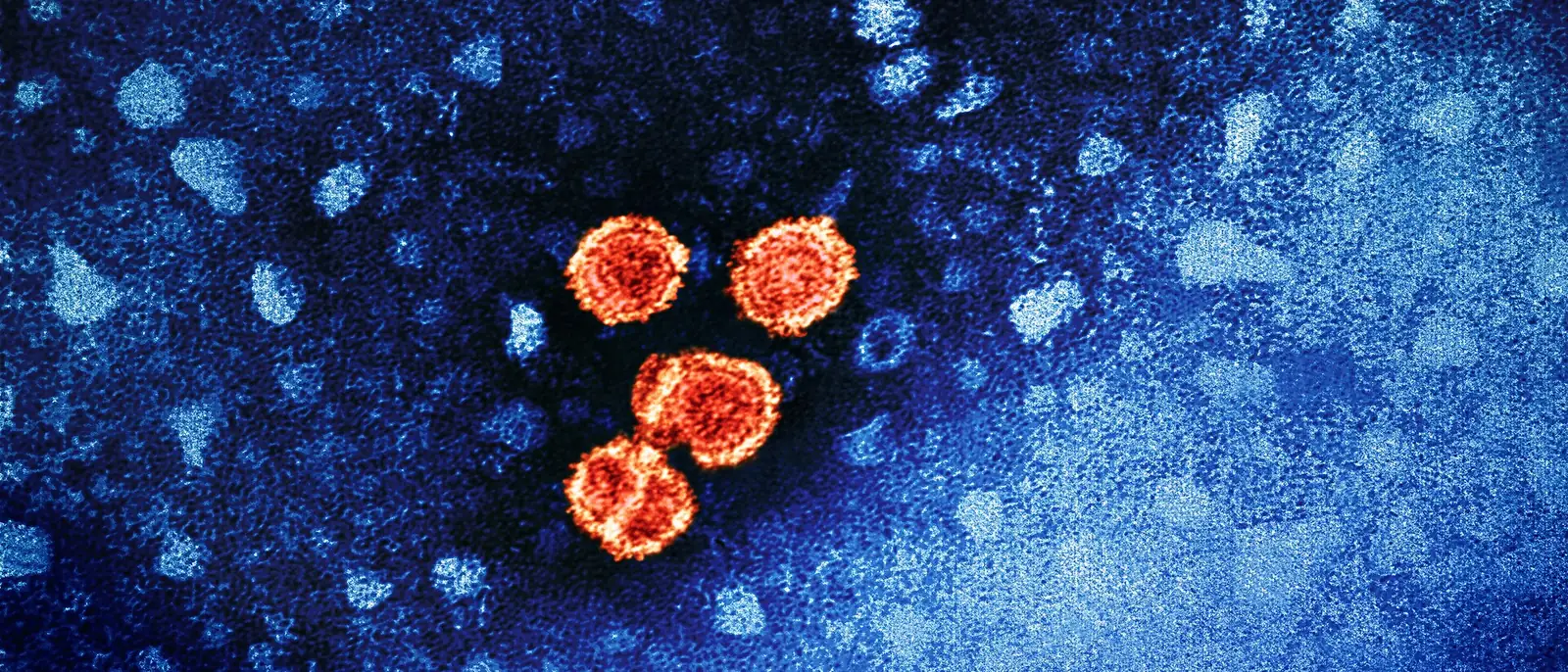
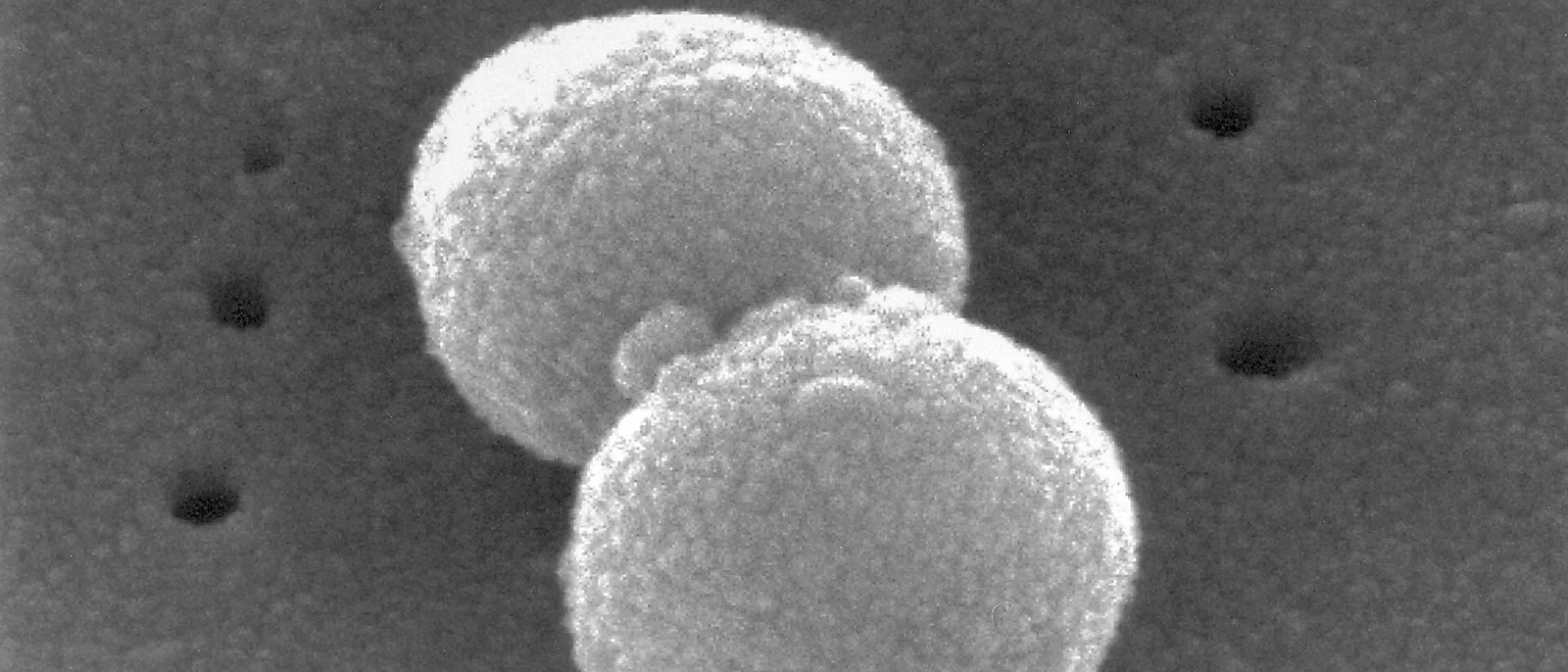
Photo credits (cropped) NIAID / CDC (Public domain) · Janice Haney Carr (Public domain)

Whooping Cough Symptoms and Spread

Whooping cough (pertussis) is a respiratory infection spread by droplets from coughing or sneezing. For the first 1 to 2 weeks it looks like a cold, with a runny nose, mild fever and a light cough. It can then turn into bouts of intense coughing, a high-pitched sound when breathing in, and vomiting after coughing that last for several weeks.

In teenagers and adults it often shows up only as a cough lasting more than 2 weeks without that sound, so it is easy to pass to infants without knowing. Whooping cough is treated with antibiotics. If a cough lasts 2 weeks or longer, please see a doctor.

Whooping cough testing uses a swab from deep inside the nose and a genetic (PCR) test to detect the bacteria, and it is most accurate within 3 weeks of the cough starting. Household members of a confirmed patient, especially in homes with a young infant or a pregnant woman, may take preventive antibiotics even without symptoms.

Whooping Cough Vaccination (With Tetanus and Diphtheria)

The whooping cough shot for teens and adults is the Tdap vaccine, which also protects against tetanus and diphtheria and is given once as an injection in the upper arm. If you have not had it since becoming an adult, get one dose, then a tetanus and diphtheria booster (Td or Tdap) every 10 years.

Family vaccination before a baby arrives covers everyone who will hold and care for the baby in the first months, including the father, grandparents, siblings living at home and any postpartum caregiver. This is separate from vaccination during pregnancy: the mother's dose passes antibodies to the baby, while family doses lower the chance that a family member catches whooping cough and passes it on. Family members who have already had Tdap can bring their records so we can decide whether another dose is needed.

  • Family members who will live with a newborn and people who will care for the baby
  • Pregnant women at 27 to 36 weeks of pregnancy (once during each pregnancy)
  • People who have not had a whooping cough vaccine as an adult
  • People who have not had a tetanus vaccine in the past 10 years

Tetanus and Tetanus Shots After an Injury

Tetanus develops when bacteria from soil, dust or animal waste get into a wound and release a toxin that attacks the nerves. It usually starts with a stiff jaw that makes it hard to open the mouth, followed by stiffness in the neck and body muscles and spasms. If these symptoms appear, call 119 or go to an emergency room right away. Having tetanus does not make you immune, so you still need the vaccine after you recover.

The tetanus shot adults receive is either Tdap, a combined diphtheria, tetanus and pertussis vaccine, or Td, which covers tetanus and diphtheria. After an injury, you need a booster if it has been 10 years since your last dose for a small, clean wound, or 5 years for a deep puncture or a wound contaminated with soil. Adults who have never had Tdap receive Tdap at that visit. If your wound has already been treated and you only need the booster, you can get it at VEI Clinic.

Adults who never completed the childhood series, or who do not know their history, need three doses: Tdap first, a second dose 4 weeks later and a third dose 6 to 12 months after the second. If someone in this situation has a deep or dirty wound, tetanus immune globulin may also be needed, so the fastest option is an emergency room or surgical clinic that can treat the wound.

Pneumococcal Vaccination

Pneumococcus is a bacterium that can cause pneumonia, meningitis and bloodstream infections. Vaccination is recommended for people at higher risk, including adults age 65 or older, adults with diabetes or chronic heart, lung, liver or kidney disease, and adults who smoke.

Pneumococcal vaccines include conjugate and polysaccharide vaccines. The order and intervals depend on your age and vaccination history, so we make a plan during your consultation.

Conjugate vaccines available in Korea include PCV13 (Prevenar 13) and newer 15-, 20- and 21-valent products, and the only polysaccharide vaccine is PPSV23. In its recommendations revised in May 2026, the Korean Society of Infectious Diseases recommends that adults 65 and older, and higher-risk adults aged 19 to 64, receive either a single dose of a 20- or 21-valent conjugate vaccine, or a 15-valent conjugate vaccine followed by the polysaccharide vaccine.

If you have already had Prevenar or the polysaccharide vaccine, the next pneumococcal vaccine is usually given at least 1 year later. Unlike the flu shot, the pneumococcal vaccine is not seasonal, so you can get it as soon as you turn 65 or are diagnosed with a chronic condition.

HPV Vaccination (Gardasil 9)

HPV (human papillomavirus) is a common virus spread mainly through sexual contact. Most infections clear on their own within a year or two, but high-risk types that persist can cause cervical, anal and some throat cancers, and low-risk types cause genital warts.

Because the vaccine prevents these infections, it is often called the cervical cancer vaccine. It works best when given before any sexual contact, but adults can still be protected against the types they have not caught.

Three HPV vaccines are used in Korea: the 2-valent vaccine (Cervarix) against types 16 and 18, the 4-valent vaccine (Gardasil), which adds types 6 and 11 that cause genital warts, and the 9-valent vaccine (Gardasil 9), which also covers types 31, 33, 45, 52 and 58. Types 16 and 18 cause about 70% of cervical cancers, and Gardasil 9 covers these two along with five other high-risk types and two low-risk types.

  • The 9-valent HPV vaccine is 2 doses 6 to 12 months apart when started at ages 9 to 14, and 3 doses at 0, 2 and 6 months from age 15; if the second or third dose is late, you pick up from that dose
  • In Korea Gardasil 9 is approved for women aged 9 to 45; the approved range for men is different, so we go over it for your age at the visit
  • Girls aged 12 to 17, low-income women aged 18 to 26 and, from 2026, 12-year-old boys can get an HPV vaccine free under Korea's national immunization program at public health centers and designated clinics, with the vaccine type set by the KDCA
  • It is not given during pregnancy, and if you become pregnant partway through, the remaining doses wait until after delivery
  • The vaccine does not cover every high-risk type, so keep having cervical cancer screening after vaccination

MMR (Measles, Mumps, Rubella) and Chickenpox Vaccination

The MMR and chickenpox vaccines are live vaccines that use weakened viruses. Adults with no childhood vaccination record or no clear history of the illness first have a blood test for antibodies and are vaccinated if they are not immune.

  • MMR: adults without immunity get 1 dose, and those at higher risk of exposure, such as healthcare workers or people about to travel abroad, get 2 doses at least 4 weeks apart
  • Rubella protection matters most for women planning a pregnancy. Rubella early in pregnancy can cause congenital rubella syndrome in the baby, so check your antibodies before pregnancy and get the MMR vaccine if you are not immune
  • Chickenpox vaccination for adults is 2 doses 4 to 8 weeks apart and is recommended if you have never had chickenpox and have no antibodies
  • Neither vaccine can be given during pregnancy, and pregnancy should be avoided for 4 weeks after vaccination. They also cannot be given if a condition or treatment severely weakens your immune system, so we check this at the visit

The VEI Clinic Approach

An internal medicine specialist reviews your age, underlying conditions and vaccination records to decide which vaccines you need and in what order. Bringing records from the KDCA immunization records website or your vaccination booklet helps us plan more accurately.

Pain or swelling at the injection site and a mild fever can follow vaccination, and a severe allergic reaction is possible in rare cases, so we check your allergy history beforehand and observe you for 20 to 30 minutes afterward. If you become short of breath, notice facial swelling or feel very dizzy after you get home, seek emergency care right away.

Hepatitis antibodies are checked with a blood test. If other aspects of your health need checking, we can include those blood tests at the same time.

FAQ

Frequently Asked Questions

What if I do not have hepatitis B antibodies?

We first check your vaccination record and infection status. If you have never been vaccinated, you get three doses at 0, 1 and 6 months, and those who need it are retested after vaccination.

Do I need an antibody test before a hepatitis A vaccine?

Adults age 40 or older often already have antibodies, so testing first is helpful. Adults in their 20s and 30s often lack antibodies and may be vaccinated without prior testing.

Should the whole family get the whooping cough vaccine?

Vaccinating family members who will have frequent contact with the baby and those who will care for the baby can reduce the risk of passing the infection to the infant. We recommend vaccination at least 2 weeks before the birth.

Can I have several vaccines at once?

Most adult vaccines can be given on the same day at different injection sites. Some vaccine combinations require an interval, so we plan the order during your consultation.

What is the hepatitis B vaccination schedule? When are the second and third doses?

Adults who have never been vaccinated follow a 0, 1 and 6 month schedule: the second dose one month after the first and the third at six months. If a dose is delayed, you do not restart; you simply continue with the remaining doses.

How many hepatitis A shots do I need, and how far apart?

The hepatitis A vaccine is completed with a second dose 6 to 12 months after the first (up to 18 months for some vaccines). If the second dose is delayed you do not restart; you just get the second dose. Many people in their 40s or older already have antibodies, so testing first can avoid unnecessary shots.

When should I get the whooping cough vaccine?

Family members who will meet a newborn should be vaccinated at least two weeks before the birth, and pregnant women at 27 to 36 weeks. If you have never had a pertussis shot (Tdap) as an adult, get one at any time, then continue tetanus boosters every 10 years.

Do I still need the whooping cough vaccine if I have had whooping cough?

Yes. Immunity after the illness is not lifelong, so you can catch it again; get Tdap on schedule once you have recovered. If a baby is arriving soon, we look at when you were ill and your past vaccine records to set the timing.

Who should not get the whooping cough vaccine?

Do not get it if you had a severe allergic reaction to an earlier tetanus, diphtheria or pertussis vaccine, or if you had a coma, decreased consciousness or prolonged seizures within 7 days of an earlier pertussis vaccine with no other cause. If you developed Guillain-Barré syndrome within 6 weeks of a tetanus vaccine, had swelling of the whole arm after an earlier dose, or have seizures or another nervous system condition, talk it over at your visit first. A mild cold is not a reason to wait, but if you are moderately or severely ill, get vaccinated after you recover.

How many pneumonia shots do I need, and what types are there?

Pneumonia vaccination means the pneumococcal vaccine, which comes in two kinds: conjugate (PCV) and polysaccharide (PPSV). Adults 65 and older can get one dose of the polysaccharide vaccine through the national program at public health centers or designated clinics; if you have a chronic illness or want the conjugate vaccine, we discuss the order based on your age and past shots. Please call 02-542-8275 first to check whether the pneumococcal vaccine you need can be given at the clinic.

How often do I need a tetanus shot?

Adults who completed childhood vaccination get a tetanus and diphtheria booster (Td) every 10 years, and one of these is best given as Tdap, which also covers whooping cough. If you get a deep or dirty wound and your last shot was 5 or more years ago, ask about a booster right away.

What is the difference between DTaP, Tdap and Td?

DTaP is used for the primary series in children under 7. Tdap is the vaccine teenagers and adults get to add protection against whooping cough, and Td protects only against tetanus and diphtheria as a booster. Adults get Tdap once and then a Td or Tdap booster every 10 years.

Is there a faster hepatitis B vaccine schedule?

Yes. If you need protection within 6 months, for example before studying or working abroad, some vaccines allow a faster schedule with doses at 0, 1 and 2 months and a booster at 12 months, so plan your timing around your departure date.

What should hepatitis B carriers keep up with?

Because the infection is already present, the hepatitis B vaccine cannot prevent or treat it. Carriers need regular checks of liver function and viral status, and those 40 and older are eligible for national liver cancer screening with a liver ultrasound and blood test every 6 months. Household members and partners should be tested for hepatitis B and vaccinated if they have no antibodies.

How much do vaccines cost?

Adult vaccines that are not part of the national immunization program are not covered by national health insurance, so the cost depends on the vaccine and the number of doses. Vaccines given as a series, such as hepatitis B or Gardasil 9, are charged per dose. We can give you the exact cost by phone or at your visit.

Which vaccines do I need for international travel?

It depends on your destination, how long you will stay and what you will be doing there, so start at least 2 weeks before departure, or earlier if a vaccine needs several doses. Required travel vaccines are ones a country asks you to prove at entry. Yellow fever, required by some countries in Africa and South America, is the main example and is given only at designated centers. You can check required and recommended vaccines by country on the overseas infectious disease website of the Korea Disease Control and Prevention Agency. At VEI Clinic we provide hepatitis A, hepatitis B and Tdap, which are commonly recommended before travel, and we also give Japanese encephalitis (a single-dose live vaccine for adults) and polio boosters. We do not carry rabies, yellow fever, dengue or typhoid vaccines, and some vaccines are ordered in, so please call 02-542-8275 first to check that yours is ready.

When should I get an antibody test after hepatitis B vaccination?

Not every adult needs this test. People whose care depends on the result, such as healthcare workers, people on dialysis, people with weakened immunity, and the spouse or household members of a hepatitis B carrier, have their surface antibody checked with a blood test 1 to 2 months after the third dose. If it is below 10 mIU/mL, we first test for the surface antigen to rule out infection, repeat the three-dose series, and retest 1 to 2 months after the last dose. Healthcare workers vaccinated long ago who were never tested get one extra dose if their level is low and are retested 1 to 2 months later; if it is still low, they complete the remaining two doses.

What should I do if my arm is sore and swollen after a Tdap shot?

Soreness and swelling in the arm where you got the shot are the most common reactions, and they usually go away on their own within a few days. In the meantime, a cool, wet cloth on the injection site can ease the discomfort, and moving your arm as usual also helps. If the redness and swelling keep spreading or get worse after the first day, see a doctor.

Should men get the HPV vaccine too?

Yes. HPV can also cause genital warts and anal and throat cancers in men, and men can pass it on to partners, so men can be vaccinated too, within the age range approved for them in Korea.

I already finished the Gardasil (4-valent) series. Do I need Gardasil 9 as well?

If you completed all the recommended doses of the 4-valent vaccine, another series with the 9-valent vaccine is not routinely recommended. If you want protection against the extra types, we look at whether your age is within the approved range and when you had your last dose, and decide at the visit.
Plan your visit to VEITell us your health concern and preferred visit date. Our team will help you arrange a consultation for testing, IV therapy, weight management, body contouring or VEI CELL.
Details
Collected
Name, phone number, WhatsApp number, email, treatment of interest
Purpose
Contacting you about your consultation
Retention
One year from submission, then deleted
Notification
Your request is forwarded to our staff via KakaoTalk business messaging
If you share a health concern (health information consent)
Collected
Your health concern and preferred visit date
Purpose
Preparing your consultation and guiding your care
Retention
One year from submission, then deleted

Your health concern is not included in the KakaoTalk message to our staff. If you prefer not to consent, leave that field empty and you can still send your request.

If you prefer not to agree, you can still reach us by phone, WhatsApp or KakaoTalk.