01
Urine organic acid test
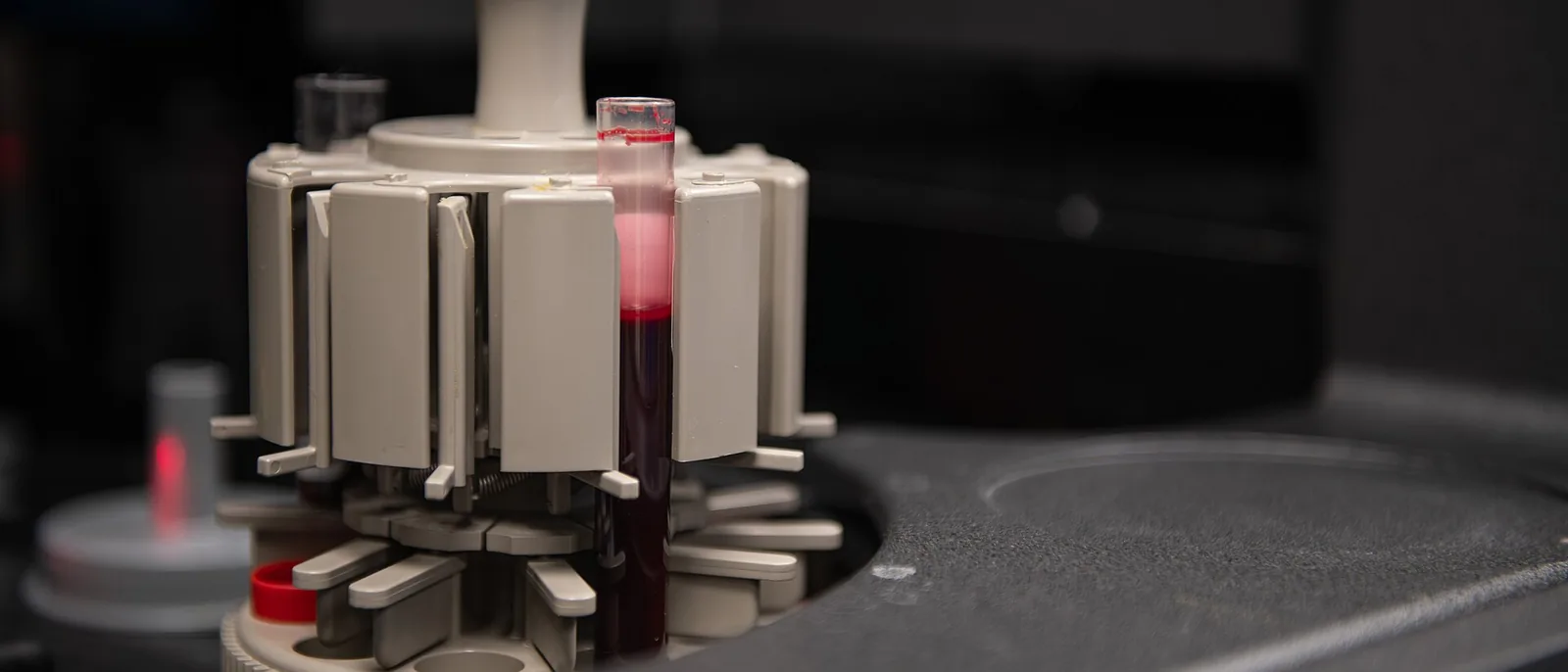
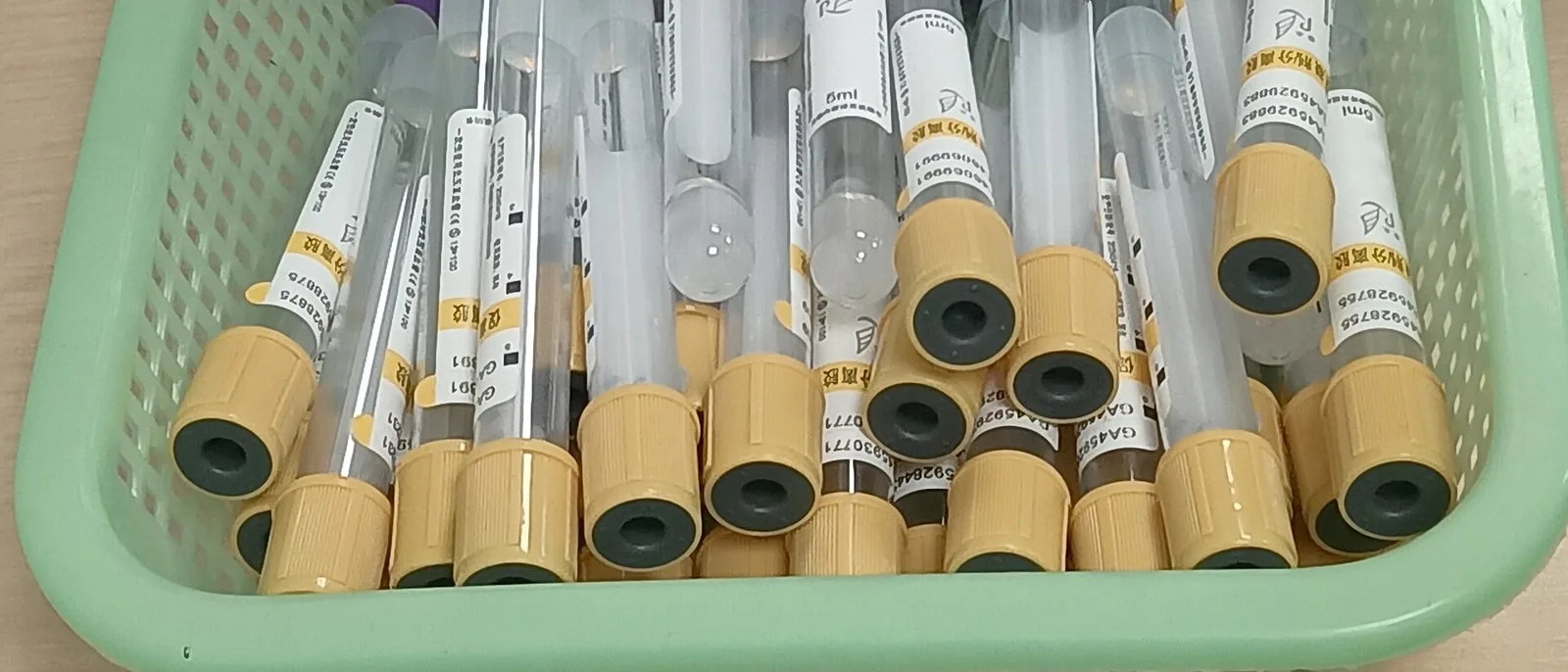
Urine organic acid testing measures by-products formed as your body uses nutrients, and we read the results as reference information alongside your symptoms and other tests.
Wellness Testing · VEI Diagnostics
Our testing and internal medicine guides, gathered in one place.

Diagnosis
Urine organic acid testing measures by-products formed as your body uses nutrients, and we read the results as reference information alongside your symptoms and other tests.

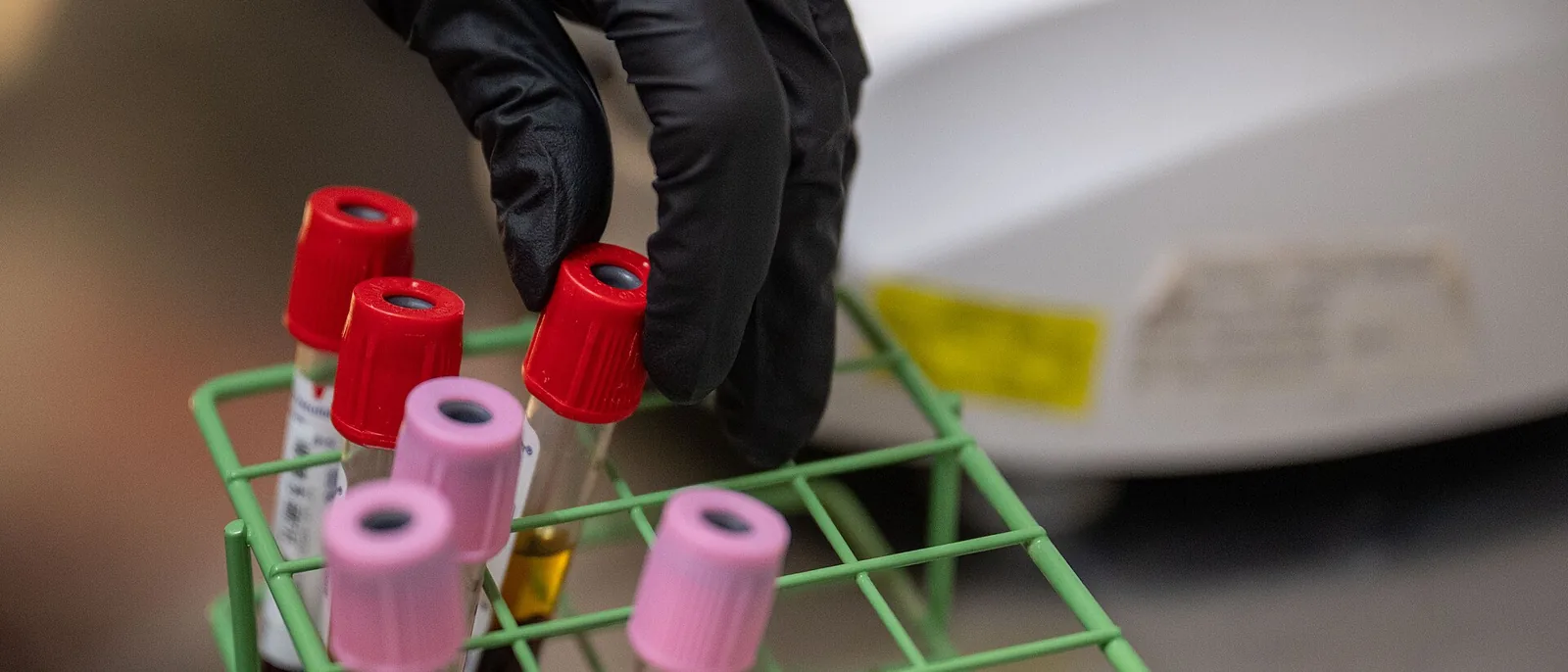
Blood testing measures levels of potentially harmful heavy metals to assess exposure and helps decide whether steps to reduce exposure or further evaluation are needed.
Check Guide

Clinic Guide



Flow
We discuss your symptoms and lifestyle to decide which tests are appropriate.
We read organic acid and heavy metal results alongside your symptoms.
Your consultation findings and test results together guide an individual plan for IV therapy and other care.
Testing inquiries: +82 2 542 8275
Q&A
VEI Clinic runs the food IgG antibody test, often called a delayed allergy test, from a blood sample. It measures IgG antibody levels to many foods and serves as a reference when you sort out how meals relate to your symptoms.
Despite the name, it does not diagnose allergies or food intolerance, so we do not cut foods based on the results alone. An internal medicine specialist interprets them together with your symptom log.
VEI Clinic runs functional medicine tests on blood and urine samples: the delayed food allergy test, the urine organic acid test, the oxidative stress and antioxidant capacity test, the NK cell activity test and a cancer risk screening test. We choose only the tests that fit your symptoms and goals.
The medical director, Dr. HyunSung Park, is an internal medicine specialist and a full member of the Korean Institute of Functional Medicine. He explains the results and plans the next steps with you, whether IV therapy or everyday care.
The shape of the belly alone cannot tell how much visceral fat there is. At VEI Clinic the exam checks the thickness of pinchable subcutaneous fat alongside the visceral fat estimate from a body composition test, and because that figure is only an estimate it is read together with the exam findings.
If the fat is mostly thick, pinchable subcutaneous fat, an abdominal fat-dissolving injection can be discussed; if it is mainly visceral fat, we recommend diet, exercise and obesity care before injections. The injection goes into subcutaneous fat and does not reach visceral fat.