0%

VEI IV · Chelation

Testing before deciding on
chelation therapy

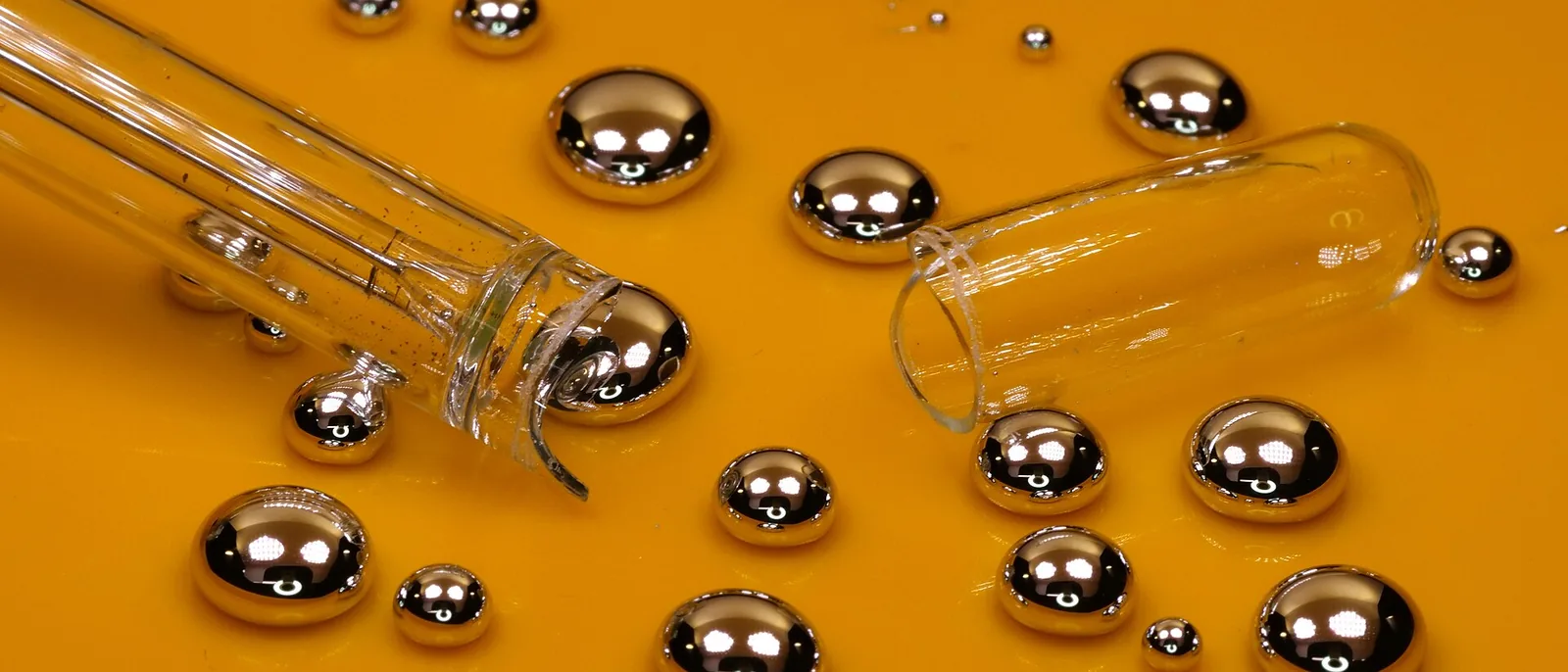
Chelation therapy uses medication called a chelating agent to bind to heavy metals in the body so they can be passed in urine. It is used when testing confirms that metals such as lead or mercury have accumulated above the reference limits. At VEI Clinic, an internal medicine specialist first reviews your exposure history and heavy metal test results to decide whether treatment is needed.

VEI Clinic, Gangnam — VEI IV · Chelation

What Chelation Means and Which Medicines Are Used

Chelation comes from the Greek word 'chele', meaning the claw of a crab or lobster. A medicine called a chelating agent grips metal ions in the body like a claw and turns them into a water-soluble form, which then leaves the body in urine through the kidneys.

The representative chelating agent given intravenously is calcium EDTA, and depending on the type of metal and how much has accumulated, an oral medicine (DMSA) or another medicine may be used. That is why testing must first confirm which metal has accumulated and by how much before the medicine and route can be chosen.

How Heavy Metal Testing Works

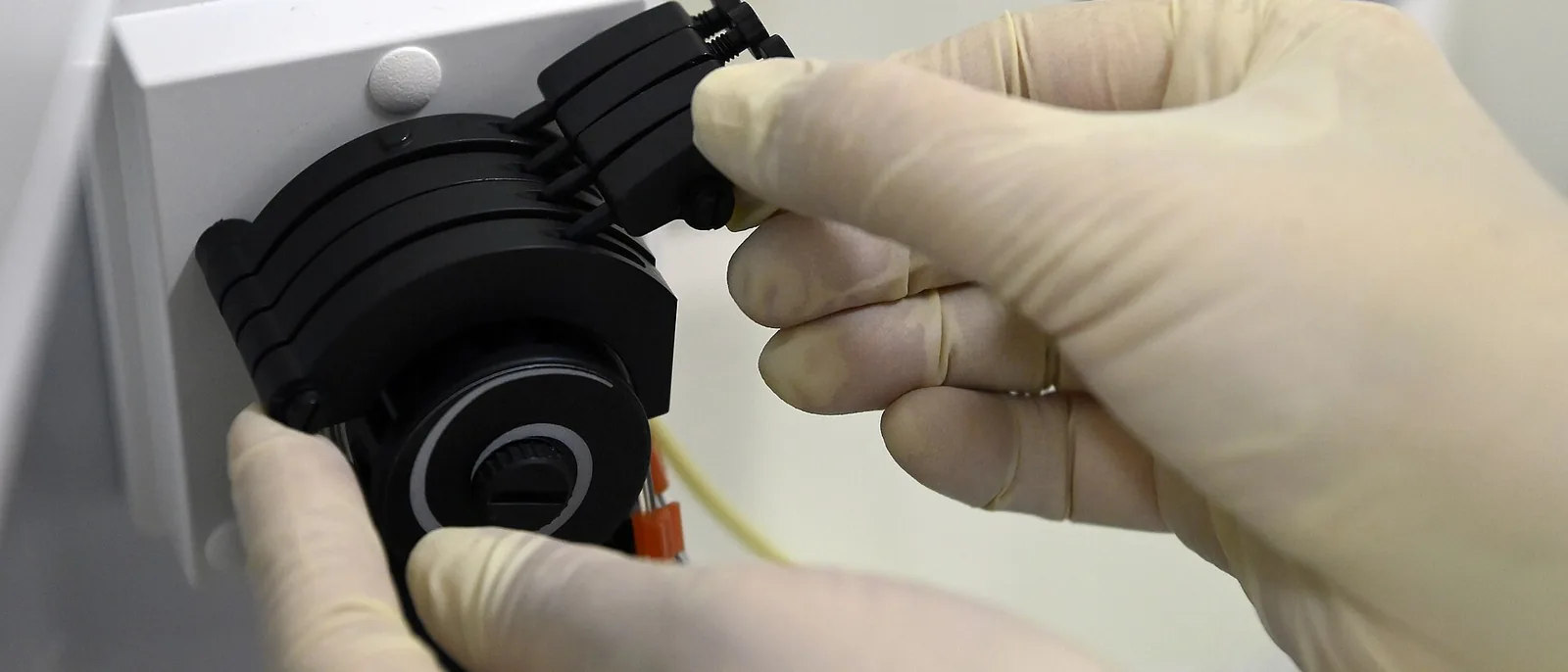
Heavy metal testing uses blood, urine or hair samples. Blood and urine help assess recent exposure, while hair can provide information about exposure patterns over several months. Hair test results can be affected by external contamination from hair dye, perms or shampoo, so we do not interpret them on their own.

The testing method depends on which metal is suspected. Lead and methylmercury, which mostly comes from fish, are checked with a blood test, while mercury vapor, inorganic mercury and arsenic are checked in urine. Seafood can temporarily raise urine arsenic for a few days, so it should be avoided before the test. A hair mineral and heavy metal test analyzes a small amount of hair cut close to the scalp at the back of the head for nutritional minerals such as calcium, magnesium and zinc along with heavy metals.

You can be tested even without symptoms if exposure is possible. Testing is only useful if it goes beyond the numbers: when a metal comes back high, the source needs to be found and reduced. Testing is recommended in the following situations.

  • Handling heavy metals such as lead, mercury or cadmium at work or as a hobby
  • Possible exposure through old water pipes, paint, imported herbal medicines or health supplements
  • Frequently eating large amounts of large fish
  • When exposure is likely and related symptoms are suspected

Photo credits (cropped) Tavo Romann (CC BY 4.0) · IAEA Imagebank (CC BY 2.0)

When Chelation Therapy Is Needed

A result above the reference range alone does not decide treatment. We do not rely on a hair test by itself; we look at blood or urine tests suited to the suspected metal, your exposure history, and your symptoms and their severity before deciding whether chelation is needed. In most cases, reducing the source of exposure comes first.

How Heavy Metals Leave the Body and Detox Methods

Most heavy metals leave the body on their own, through the kidneys in urine and through the liver in bile and stool. The pace differs by metal: once exposure stops, much of the mercury clears over a few months, but lead can stay stored in bone and cadmium in the kidneys for years or even decades.

Low iron or calcium makes the body absorb more lead, so eat regular, balanced meals rather than skipping them. If you handle heavy metals at work, wear protective equipment, keep work clothes out of your home, and wash your hands before eating or drinking. Popular detox methods such as sweating it out, detox juices and foot pads have not been shown to reduce heavy metals in the body, so we do not recommend them.

Treating heavy metal poisoning does not always mean chelation. For some metals, stopping exposure and monitoring is more appropriate than a chelating agent. If you develop severe abdominal pain, vomiting, shortness of breath, confusion or seizures after swallowing or inhaling a large amount, do not wait for a clinic appointment; call 119 or go to an emergency room.

Chelation for "Cleaning Blood Vessels": How Far Does the Evidence Go?

The established medical use of chelation therapy is heavy metal poisoning, such as lead, mercury or arsenic. The claim that it dissolves calcium and cholesterol in vessel walls to reverse atherosclerosis has not shown consistent benefit even in large clinical trials, and there is no confirmed evidence for anti-aging or for treating autism or dementia.

The U.S. Food and Drug Administration (FDA) has warned that no chelation products sold without a prescription are approved. VEI Clinic performs chelation only when test results confirm that heavy metal treatment is needed.

Precautions and Safety

Chelating agents can remove essential minerals such as calcium and zinc along with heavy metals, so we check these levels before and after treatment. Reduced kidney function can make it difficult to eliminate these substances, so we test kidney function first.

Headaches, nausea or discomfort at the injection site may occur during treatment. Please tell us during your consultation if you have kidney or heart disease or are pregnant. Eat before coming in on the treatment day, and avoid dairy products and alcohol that day.

What to Expect

  • History: your work, living environment, diet and symptoms
  • Tests: heavy metal testing with the appropriate samples (blood, urine or hair) and a kidney function check
  • Results consultation: discussing how to reduce exposure and deciding whether treatment is needed
  • Treatment: if needed, a slow IV lasting at least an hour, with monitoring
  • Retesting: adjusting the number of sessions based on changes in your levels

The VEI Clinic Approach

An internal medicine specialist reviews your test results and exposure history together to decide whether treatment is needed. We also check kidney function and mineral levels during treatment. All IV rooms are private rooms.

FAQ

Frequently Asked Questions

Who needs chelation injections?

A heavy metal level above the reference range does not mean everyone needs chelation. We decide by looking at your exposure history, symptoms and confirmatory test results together, and reducing the source of exposure comes first.

Are chelation injections and chelation IVs different treatments?

They are two names for the same treatment. The chelating agent is mixed into an IV drip and given slowly into a vein over at least an hour, so it is called both an injection and an IV.

Is a hair heavy metal test enough?

A hair test is a reference for exposure trends and can be affected by outside contamination, so it is not used alone to judge poisoning or the need for treatment. When treatment is considered, we confirm with blood or urine tests.

Does chelation clean blood vessels?

Its effectiveness in preventing or treating vascular disease has not been adequately established. VEI Clinic uses it only to treat heavy metal accumulation.

How many sessions will I need?

This depends on your levels and degree of exposure. We repeat testing during treatment to decide on the number of sessions.

What are the benefits of chelation injections?

The medically recognized benefit of chelation injections is removing accumulated heavy metals such as lead through the urine to lower the amount in the body. That is why it makes sense only when testing confirms buildup, and it is not an IV for fatigue recovery or better skin. Changes after treatment are checked with repeat blood or urine tests; hair grows slowly, so a heavy metal hair test shows changes only after a delay.

Can a hair nutrition and heavy metal test show my nutritional status?

Not well enough to judge it. Mineral levels in hair often do not match levels in the blood, so we check for vitamin and mineral deficiencies separately with blood-based nutrition testing.

View nutrition testing →

Plan your visit to VEITell us your health concern and preferred visit date. Our team will help you arrange a consultation for testing, IV therapy, weight management, body contouring or VEI CELL.
Details
Collected
Name, phone number, WhatsApp number, email, treatment of interest
Purpose
Contacting you about your consultation
Retention
One year from submission, then deleted
Notification
Your request is forwarded to our staff via KakaoTalk business messaging
If you share a health concern (health information consent)
Collected
Your health concern and preferred visit date
Purpose
Preparing your consultation and guiding your care
Retention
One year from submission, then deleted

Your health concern is not included in the KakaoTalk message to our staff. If you prefer not to consent, leave that field empty and you can still send your request.

If you prefer not to agree, you can still reach us by phone, WhatsApp or KakaoTalk.