0%

VEI Clinic · Influenza

Getting checked within 2 days of symptoms:
flu testing and treatment

Flu (influenza) often starts with a sudden high fever, muscle aches and chills, and leaves you feeling much more run-down than a cold. At VEI Clinic, we test a sample from your nose or throat and prescribe an oral antiviral or a single-dose injectable antiviral based on the results and symptoms. If a high fever makes it hard to eat, you can also receive fluids and fever treatment in a private IV room.

VEI Clinic, Gangnam — VEI Clinic · Influenza

How Flu Differs From a Cold

A cold usually starts with nose and throat symptoms, such as a runny nose or sore throat, and often causes little or no fever. Flu often brings a sudden fever of 38°C or higher, aches all over the body, a headache and chills.

Symptoms alone cannot reliably distinguish the two, so testing is helpful if you develop a fever during flu season.

Testing matters because the causes and treatment differ. Colds are caused by many different viruses and are treated mainly by easing symptoms, while flu is caused by influenza viruses, which have their own antiviral medicines and vaccine.


Flu Incubation Period, Contagious Period and Complications

The incubation period, from exposure to the flu virus until symptoms appear, is usually 1 to 4 days, about 2 days on average. Flu spreads through droplets from coughs and sneezes, or when you touch your nose or mouth with hands that have the virus on them.

People can spread flu from about a day before symptoms begin, and adults can pass it to others for 5 to 7 days after symptoms start. Children and people with weakened immunity can spread it for longer.

Most people recover in about a week, but a cough and tiredness can last more than 2 weeks. The most common complication is pneumonia. Flu can also worsen existing conditions such as diabetes or heart and lung disease, and, rarely, cause myocarditis or encephalitis.

  • Prevention: a yearly flu vaccine is the basic step. Antibodies take about 2 weeks to develop after vaccination, so we recommend getting vaccinated in October or November, before flu season
  • Wash your hands often and cover your mouth and nose with a tissue or your sleeve when you cough
  • While you have a fever, stay home from work or school and use separate towels and dishes from your family

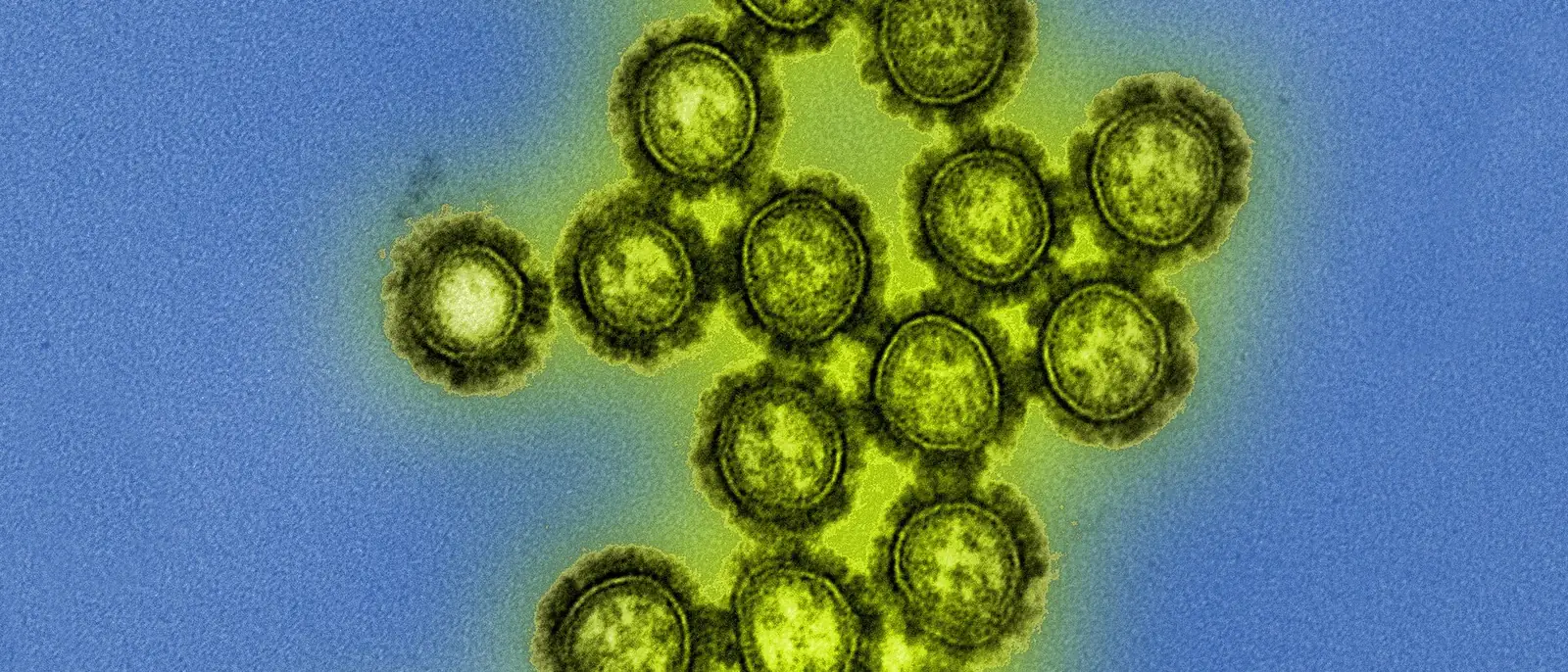
Photo credits (cropped) NIAID (CC BY 2.0) · Phage1990 (CC BY 4.0)

Flu Testing

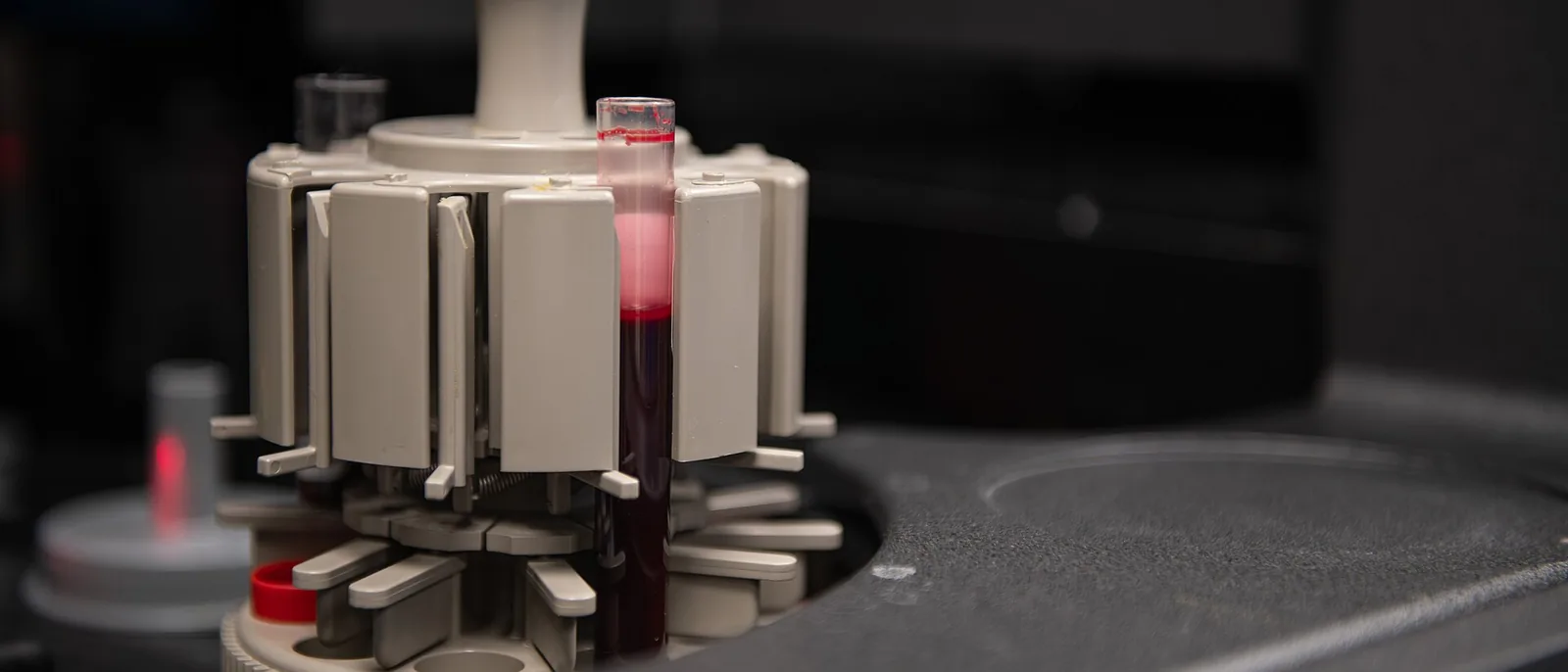
A rapid antigen test uses a swab sample from the nose or throat and usually gives results in 10 to 15 minutes. Testing too early after symptoms begin can give a negative result. Even with a negative test, we consider your symptoms and how widely flu is circulating.

If a more accurate result is needed, a PCR test can be sent to a laboratory, and results usually take about a day.

Rapid antigen test results are reported as influenza A positive, influenza B positive or negative. Influenza A includes subtypes such as H1N1 and H3N2, but a rapid antigen test does not identify the subtype, and seasonal flu is treated the same way whatever the subtype.

Flu Treatment

Antivirals work best when started within 48 hours of symptom onset. They may still be prescribed later for people at high risk.

  • Oral antivirals (Tamiflu, oseltamivir): usually taken twice a day for 5 days. Nausea and vomiting are common
  • Injectable antivirals (Peramiflu injection, peramivir): given as a single IV infusion over at least 15 minutes, usually 300 mg for adults and up to 600 mg for those at risk of severe illness from complications, considered when oral medication is difficult or symptoms are severe. The dose is adjusted for kidney function, and diarrhea, nausea or, rarely, a severe allergic reaction can occur
  • Children and teenagers: unusual behavior can rarely occur in young people with flu whether or not they take medicine, so after starting Tamiflu or Peramiflu, a guardian should stay with them for at least two days
  • Fever and pain relief, and hydration: to reduce fever and muscle aches and prevent dehydration
  • IV fluids: given while you lie down in a private room when a high fever makes it difficult to eat and drink

Who Should Seek Care Early

If any of the following apply, seek care early because flu can lead to complications such as pneumonia. Go to an emergency room right away if you have shortness of breath, chest pain or reduced alertness.

  • Age 65 or older, or pregnancy
  • Chronic conditions such as diabetes or heart, lung or kidney disease
  • Taking medication that suppresses the immune system
  • A fever lasting more than 3 days, or returning after you had started to improve

After the Flu: Lingering Symptoms and Recovery

The most common lingering effects of flu are a dry cough and tiredness that continue after the fever is gone. A poor appetite and getting tired easily can last a few weeks, so hold off on strenuous exercise early in recovery and get plenty of sleep, food and fluids.

While the airways heal and settle down after the virus, a cough can last more than 3 weeks, and this post-infectious cough usually stops on its own within 8 weeks. If a cough lasts more than 3 weeks, see a doctor to rule out other causes, and if it lasts more than 8 weeks, causes such as postnasal drip, asthma or acid reflux should be checked.

Symptoms that are new or getting worse after flu may be a complication rather than a lingering effect. A cough that worsens again with yellow phlegm or a returning fever can point to bacterial pneumonia, and facial pressure with ongoing thick yellow nasal discharge can point to sinusitis; both need a medical visit. A racing or pounding heartbeat after the fever has gone can rarely be a sign of myocarditis, so get checked promptly, and go to an emergency room right away if you have chest pain or shortness of breath.

What to Expect

Injectable antivirals and IVs may include services that are not covered by National Health Insurance. We explain this before your consultation. Medical certificates, receipts and an itemized statement for an insurance claim are available on request.

  • Check-in and history: when symptoms began, fever, vaccination status and underlying conditions
  • Testing: a nose or throat sample, followed by a review of the results
  • Prescription: oral medication or an injection, with IV fluids if needed
  • Before you leave: advice on returning to school or work and symptoms that mean you should come back

The VEI Clinic Approach

An internal medicine specialist examines you in person and chooses treatment based on both your test results and symptoms. All IV rooms are private rooms, so you can rest separately from other patients while you have a fever.

FAQ

Frequently Asked Questions

Can I get IV fluids on the day of my flu test?

Yes. An internal medicine specialist examines you, runs a rapid flu antigen test and prescribes antiviral medication depending on the result. If you have a high fever and are too weak to eat, you can receive IV fluids the same day in a private room.

How long does a flu test take?

Rapid antigen test results are usually ready 10 to 15 minutes after the sample is taken. A PCR test usually takes about a day.

Which is better, Tamiflu or a Peramiflu injection?

In a trial of adults with seasonal flu, a single Peramiflu dose was not inferior to 5 days of Tamiflu in time to symptom relief. Tamiflu is taken twice a day for 5 days, while a Peramiflu injection is a single dose, so it is considered when vomiting makes pills hard to keep down or a full course is hard to manage. A Peramiflu injection may include items not covered by insurance, which we explain before treatment.

Can I claim a flu treatment injection through private medical insurance?

Medical certificates, receipts and an itemized statement are available on request. Reimbursement depends on your policy terms, so please check with your insurer.

When can I return to work?

We recommend resting until at least 24 hours after your fever has gone away without fever-reducing medication. Wear a mask if you still have a cough.

What is the difference between influenza A and influenza B?

Influenza A changes often and tends to cause large outbreaks, while influenza B often circulates later, at the end of winter or in spring. Symptoms and treatment are much the same, with the same antiviral medicines, and you can catch both A and B in the same season.

Do I need an IV for the flu?

An IV helps with fluids and fever control when a high temperature makes eating and drinking hard or you are dehydrated; the treatment that acts on the flu virus is the antiviral medicine. If you can drink enough, many people recover with oral medicine and rest alone.

Is injection treatment for flu the same as a flu shot?

No. Injection treatment for flu means giving an injectable antiviral such as peramivir to someone who already has flu, to stop the virus from spreading from infected cells. A flu shot is a vaccine you get before you are sick to build immunity. Several types of flu virus can circulate in one season, so even if you had flu this season, we recommend getting vaccinated once you have recovered.

See flu vaccination info →

Plan your visit to VEITell us your health concern and preferred visit date. Our team will help you arrange a consultation for testing, IV therapy, weight management, body contouring or VEI CELL.
Details
Collected
Name, phone number, WhatsApp number, email, treatment of interest
Purpose
Contacting you about your consultation
Retention
One year from submission, then deleted
Notification
Your request is forwarded to our staff via KakaoTalk business messaging
If you share a health concern (health information consent)
Collected
Your health concern and preferred visit date
Purpose
Preparing your consultation and guiding your care
Retention
One year from submission, then deleted

Your health concern is not included in the KakaoTalk message to our staff. If you prefer not to consent, leave that field empty and you can still send your request.

If you prefer not to agree, you can still reach us by phone, WhatsApp or KakaoTalk.