0%

VEI Clinic · Shingles Vaccine

A conversation to have from age 50:
shingles vaccination

Shingles develops when the chickenpox virus, which has remained dormant in the nerves after a childhood infection, becomes active again as immunity weakens. It causes a band of blisters and severe pain, and nerve pain can persist long after the blisters heal. Shingles vaccination reduces the risk of shingles and this lasting nerve pain. At VEI Clinic, we check your age and health first and then explain which vaccine suits you.

VEI Clinic, Gangnam — VEI Clinic · Shingles Vaccine

Types of Shingles Vaccines

Two types of shingles vaccine are used in Korea: a recombinant vaccine made from part of a viral protein and a live vaccine made from weakened virus. They differ in effectiveness, duration of protection and reactions after vaccination. We explain these differences during your consultation.

These two are what people usually mean by a shingles shot: Shingrix is the recombinant vaccine and SKYZoster is the live vaccine. Zostavax, an older live vaccine that was widely used, stopped being supplied in Korea in 2024.

Because the number of doses differs, comparing shingles vaccines also means looking at the total cost and schedule. If your second Shingrix dose is delayed, there is no need to restart the series; get the remaining dose as soon as you can.

  • Recombinant vaccine: 2 doses, usually 2 to 6 months apart. It can be given to adults age 50 or older and to adults age 18 or older whose immunity is reduced by illness or treatment
  • Live vaccine: 1 dose. It is used for adults age 50 or older and cannot be given to people with weakened immunity or during pregnancy
Who It May Suit

  • Adults age 50 or older
  • People with conditions that can weaken immunity, such as diabetes or chronic kidney or lung disease
  • People about to start or currently receiving immunosuppressive treatment (recombinant vaccine)
  • People who have had shingles (with timing planned after recovery)

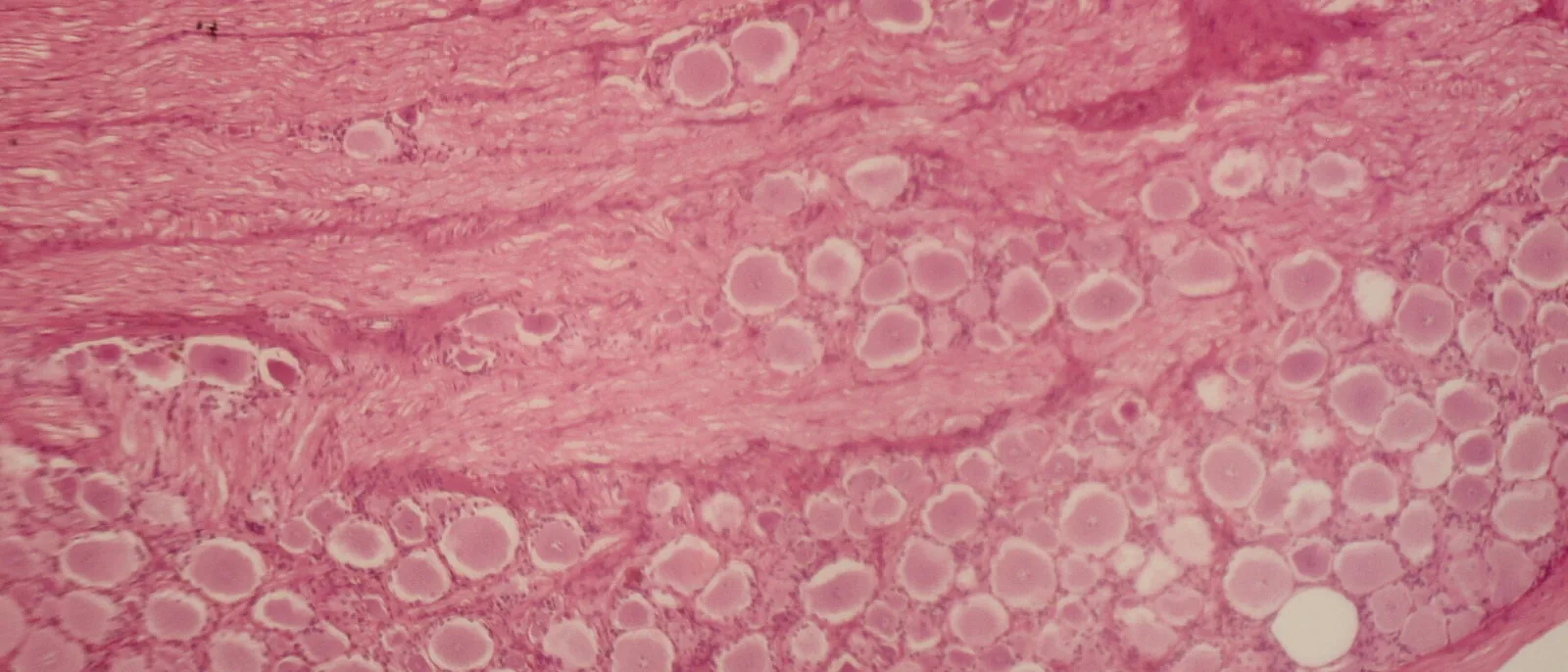
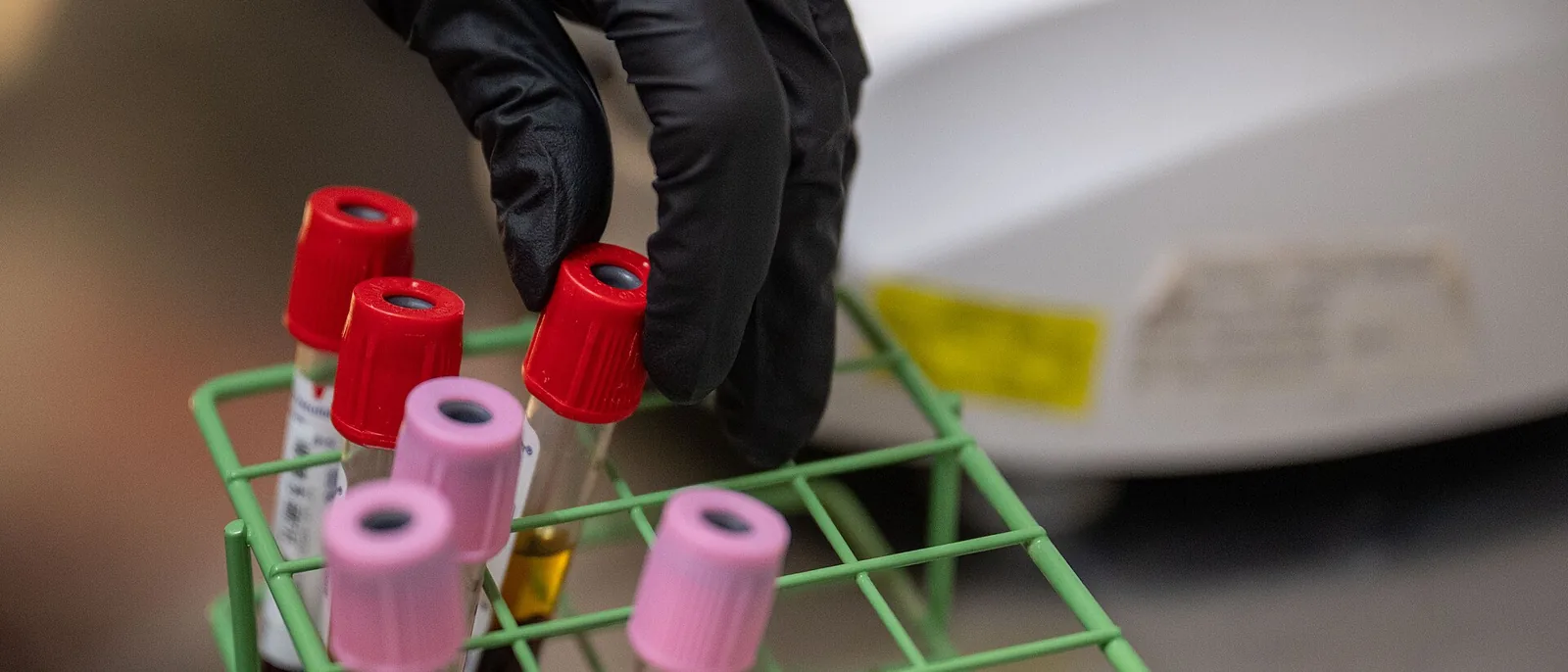
Photo credits (cropped) Dr Graham Beards (CC BY-SA 4.0) · Merlin-UK (CC BY-SA 3.0)

If You Have Had Shingles Before

Shingles can recur, so vaccination is recommended even if you have had it before. It is given after the blisters and pain have settled and you have recovered. We decide on the timing during your consultation.

Shingles comes back more often in people with weakened immunity, and it can return in the same place or on a different part of the body. Blisters that keep returning to exactly the same spot, such as the lips or genitals, may be herpes simplex rather than shingles, which we tell apart by examination. If shingles comes back within a short time, we use blood tests to check for conditions such as diabetes that can weaken immunity.

Reactions After Vaccination

Pain and swelling at the injection site, muscle aches, fatigue, headache, chills and a mild fever are common with the recombinant vaccine. They usually settle within 2 to 3 days. The discomfort can affect daily activities, so it is best to avoid vaccination the day before an important event.

We observe you at the clinic for 20 to 30 minutes after vaccination in case of a severe allergic reaction.

Early Shingles Symptoms and How They Progress

Early shingles often starts with pain rather than blisters. A few days before any rash appears, one area on one side of the body may burn, tingle or become sharply sensitive to light touch, sometimes with fatigue, headache or a low-grade fever. Because there is nothing to see yet, it is easy to mistake for a muscle strain or a back problem.

Once blisters appear, they cluster in a band along a nerve on one side of the body and usually do not cross the midline. People often describe shingles pain as burning or stabbing, and it tends to be more severe in older adults.

Symptoms vary from person to person. Some people have only a few blisters, and for some, itching is more noticeable than pain. Itching can flare again as the blisters crust over and heal. Scratching can break the blisters and lead to infection or scarring, so try not to scratch; if the itching is severe, we can adjust your medicine at your visit.

Where Shingles Commonly Appears

Shingles most often affects the nerves that run around the chest and back. On the back, pain and blisters typically start on one side and wrap around the flank toward the chest or abdomen like a band. When nerves from the lower back and pelvis are involved, shingles on the thigh can begin as pain in one buttock, the groin or one thigh, and it is easily mistaken for sciatica or muscle pain.

On the face, shingles causes pain and blisters on one side, on the forehead and around the eye, nose, cheek or jaw. Facial shingles around the ear can involve the facial nerve and the hearing nerve, so if blisters in or around the ear and severe ear pain are followed by drooping on one side of the face, hearing loss or dizziness, see an ear, nose and throat specialist the same day. If one side of your face suddenly droops without blisters, or you develop slurred speech or weakness in an arm or leg, it may be a stroke, so call 119 right away.

Shingles on the thigh often appears as a band that starts at the groin or buttock and runs down one thigh toward the knee. When it extends to the buttocks and genital area, the nerves to the bladder and bowel can also be affected, making it hard to pass urine or causing constipation. If your lower belly feels full but you cannot pass urine, see a doctor without delay.

Causes of Shingles and How It Spreads

The virus behind shingles usually becomes active again when immunity weakens. Age over 50 is the biggest factor, and overwork, severe stress, diabetes, cancer treatment, and steroids or immunosuppressive medicines can also set it off. Because shingles comes from virus that was already in your own body, you do not catch it from someone else, and being around a person with shingles will not give you shingles.

Shingles is less contagious than chickenpox, but it can still spread. If fluid from the blisters reaches someone who has never had chickenpox or the chickenpox vaccine, that person can develop chickenpox, not shingles. Until all the blisters have crusted over, keep them covered with clothing or a dressing, and avoid close contact with pregnant women, newborns and people with weakened immunity.

Treating shingles and shingles medicine

Shingles usually starts with a band of tingling pain on one side of the body, followed within days by a red rash and blisters. Starting antiviral medicine within 72 hours of the rash appearing helps shorten the pain and lower the risk of nerve pain, so see a doctor as soon as you suspect it.

Treatment is usually an oral antiviral for 7 days plus pain relief. Blisters around the eye, on the forehead or the tip of the nose need an eye doctor the same day, and if your eye hurts or your vision blurs, go to an emergency room right away. A weakened immune system or pain severe enough to disrupt daily life may also need hospital care, and we will refer you promptly.

Shingles is usually diagnosed by examination. The typical blisters and pain along a nerve on one side are enough in most cases, and a viral test of blister fluid may be done when the rash looks unusual or the immune system is weakened. At your visit, we consider your age, kidney function and where the blisters are to decide on treatment and the medicine dose.

Shingles is treated with antiviral medicines such as acyclovir, valacyclovir or famciclovir. The medicine usually takes 7 days, but recovery takes longer: the blisters usually crust over in 7 to 10 days, and the skin heals fully in about 2 to 4 weeks. Visits and prescriptions are covered by National Health Insurance, and the cost of the medicine depends on the drug and the number of days prescribed.

Easing Shingles Itching and Pain

Managing shingles pain starts with taking your prescribed medicine on schedule without missing doses. At home, cooling the affected area eases both the pain and the itching. Apply a cloth soaked in cold water, or an ice pack wrapped in a towel, a few times a day, and wear loose, soft clothing that does not rub against the skin.

Keep the blisters clean and dry. If you cover them, use non-stick gauze, and do not put an adhesive bandage directly on the blisters.

Postherpetic Neuralgia and Other Complications

The most common complication of shingles is postherpetic neuralgia, pain that remains after the skin has healed. It is usually defined as pain that continues more than 3 months after the rash appears, and it is more likely in older adults and in people whose initial pain and rash were severe. Burning or electric pain, or pain from even the touch of clothing, can last for months or, in some people, years, and scars or changes in skin color may remain.

Treatment for shingles nerve pain relies on medicines that calm nerve pain rather than ordinary painkillers. Unlike treatment in the acute phase, which targets the virus, it uses medicines such as pregabalin or gabapentin, started at a low dose and increased gradually because they can cause dizziness or drowsiness. If medicine does not control the pain, we refer you to a pain medicine specialist for procedures such as nerve blocks.

The VEI Clinic Approach

An internal medicine specialist reviews your age, underlying conditions and medications, then explains which vaccine is suitable before giving it. For the recombinant vaccine, we also explain when to return for the second dose and, depending on your age and health conditions, check whether other vaccinations are due.

FAQ

Frequently Asked Questions

What is checked before a shingles vaccination?

An internal medicine specialist checks your age, immune status and any past shingles, then explains which vaccine suits you before vaccinating. You can also plan whether to get other vaccines on the same day. Call 02-542-8275 in advance to confirm vaccine availability and the date.

How many shingles shots do I need?

The recombinant vaccine requires 2 doses, while the live vaccine requires 1. The right vaccine depends on your age and immune status.

Should I get vaccinated if I have already had shingles?

Vaccination is recommended because shingles can recur. We plan the timing after you have recovered.

Can I get the recombinant vaccine if I previously had the live vaccine?

Yes. You can receive the recombinant vaccine after a certain interval following the live vaccine. We explain the interval during your consultation.

Can I have it with other vaccines?

It can be given on the same day as flu or pneumococcal vaccines at different injection sites. The recombinant vaccine can cause reactions afterward, so please discuss timing around your schedule.

How much does the shingles vaccine cost?

Shingles vaccination is not covered by National Health Insurance, so the cost depends on the type of vaccine and the number of doses. We can explain the cost of each vaccine by phone or at your visit. Some local public health centers support vaccination for older adults, so it is worth checking with the one where you live.

Can shingles appear on the head?

Yes. When it affects the nerves of the scalp or forehead, it can cause stabbing pain on one side of the head that is easily taken for a headache, and hair can hide the blisters so they are noticed late. If the skin on one side of your head feels raw or hurts unusually when you brush your hair, check your scalp for blisters and see a doctor.

Is an immune shot for shingles the same as the vaccine?

The shot used to prevent shingles is the shingles vaccine. Other injections or IV drips described as immune shots do not take its place. The vaccine also does not treat shingles that has already started, so an active outbreak is treated with antiviral medicine.

Can I go to work while shingles is still contagious?

Usually yes, as long as the blisters can be covered with clothing or a dressing. The virus spreads mainly through contact with fluid from the blisters, so if weeping blisters are somewhere hard to cover, such as the face, stay home until they dry out and crust over. Wash your hands after touching the blisters, and do not share towels with family members.

What kind of doctor should I see for shingles?

A nearby internal medicine, dermatology or family medicine clinic can examine you and prescribe antiviral medicine. Antivirals help most when started early, so it is better not to put off care while deciding which specialty to see. If the blisters are around the eye or ear, you also need to see an eye doctor or an ear, nose and throat specialist. VEI Clinic also examines patients with shingles and prescribes treatment.

Plan your visit to VEITell us your health concern and preferred visit date. Our team will help you arrange a consultation for testing, IV therapy, weight management, body contouring or VEI CELL.
Details
Collected
Name, phone number, WhatsApp number, email, treatment of interest
Purpose
Contacting you about your consultation
Retention
One year from submission, then deleted
Notification
Your request is forwarded to our staff via KakaoTalk business messaging
If you share a health concern (health information consent)
Collected
Your health concern and preferred visit date
Purpose
Preparing your consultation and guiding your care
Retention
One year from submission, then deleted

Your health concern is not included in the KakaoTalk message to our staff. If you prefer not to consent, leave that field empty and you can still send your request.

If you prefer not to agree, you can still reach us by phone, WhatsApp or KakaoTalk.