0%

VEI Check · Blood & Lab

Blood and urine tests,
to see where your health stands now

At VEI Clinic, blood and urine testing starts with an internal medicine specialist listening to your symptoms and the reason for testing, then choosing the relevant tests. Rather than running many tests at once, we focus on what needs checking now and use the results to plan your care.

VEI Clinic, Gangnam — VEI Check · Blood & Lab

Who It May Suit

  • People who want to check their basic health on a regular basis
  • People with lasting fatigue who want to check thyroid or iron levels
  • People who want to track changes in an existing condition over time
  • People with a test order from another clinic
  • People who need a specific set of tests, such as those required by an employer

What We Test

The specialist chooses only the tests you need from the list below. Samples include blood, urine and, when needed, throat or nasal swabs.

  • Basic tests: complete blood count (CBC), liver and kidney function, electrolytes, lipids, HbA1c
  • Thyroid function: TSH, with FT4 when needed
  • Nutrition-related: vitamin D, ferritin and iron, vitamin B12 and folate
  • For acute symptoms: inflammation markers (CRP, ESR), blood glucose, urinalysis, pregnancy test
  • Infection-related: hepatitis A, B and C, HIV, syphilis, sexually transmitted infections, tuberculosis (IGRA)
  • Antibody tests: measles, mumps and rubella, varicella, hepatitis B antibodies
  • Case by case: selected hormones, autoimmune markers, celiac screening, allergy IgE, micronutrients

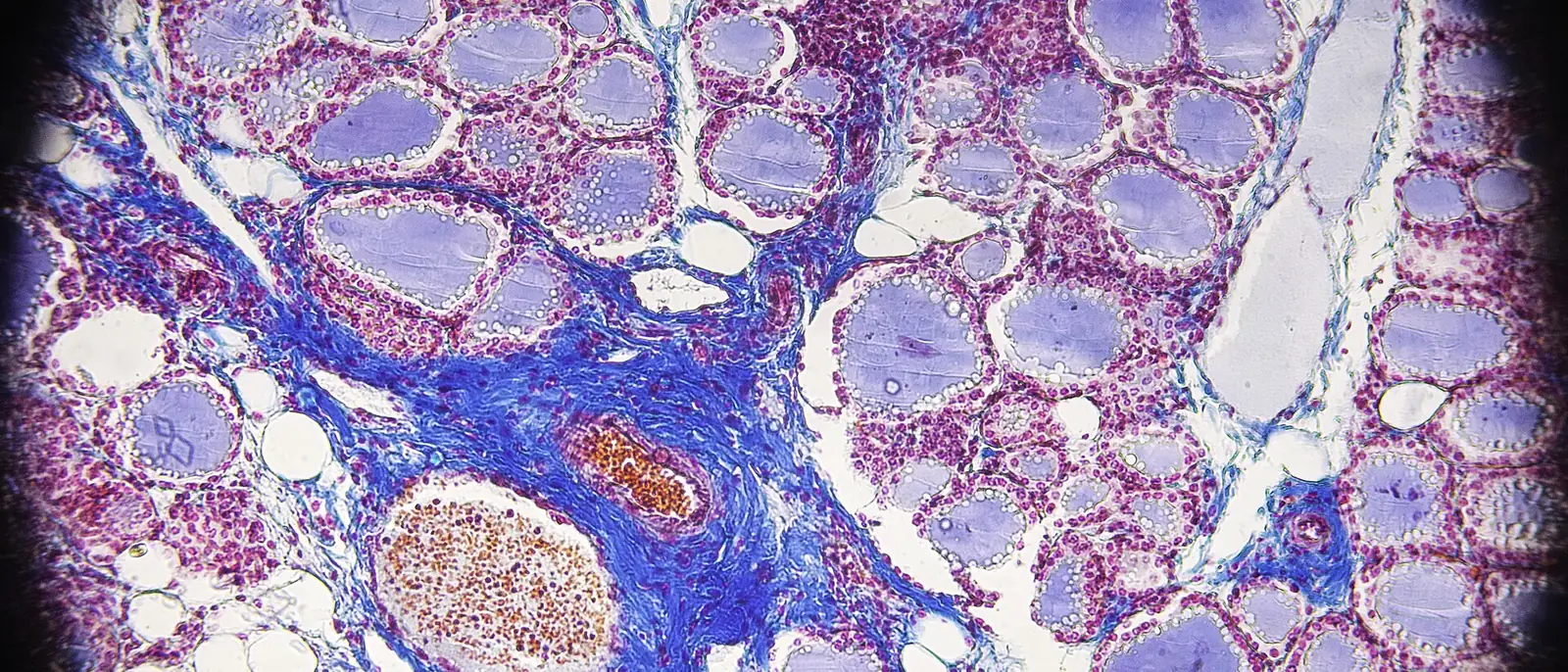
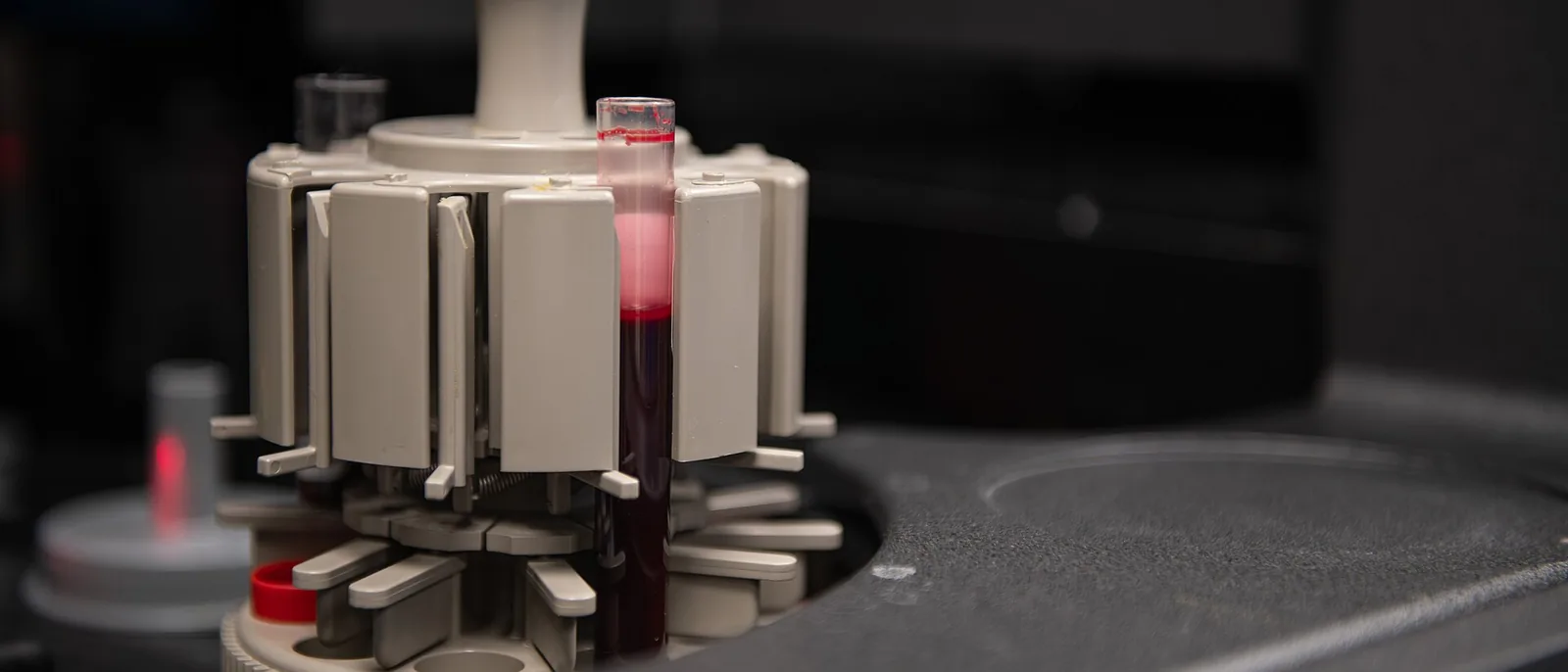
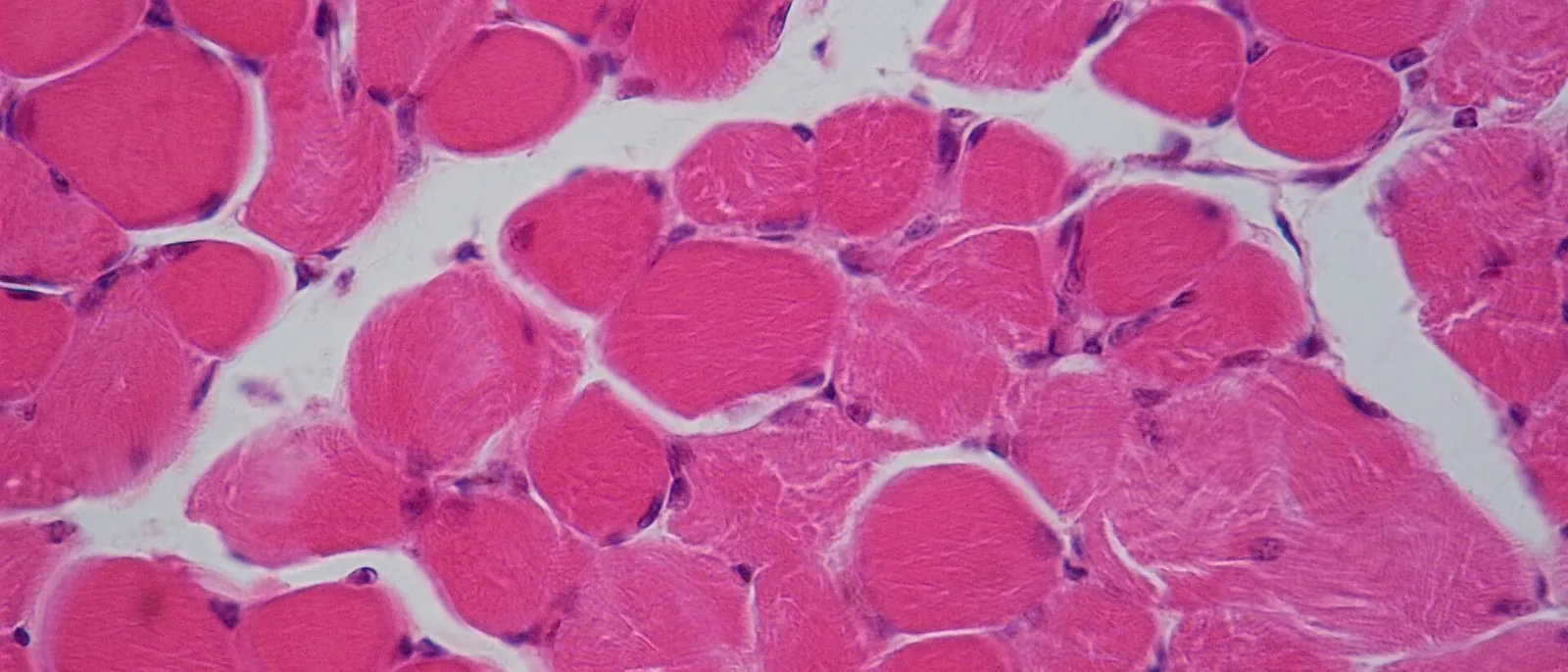
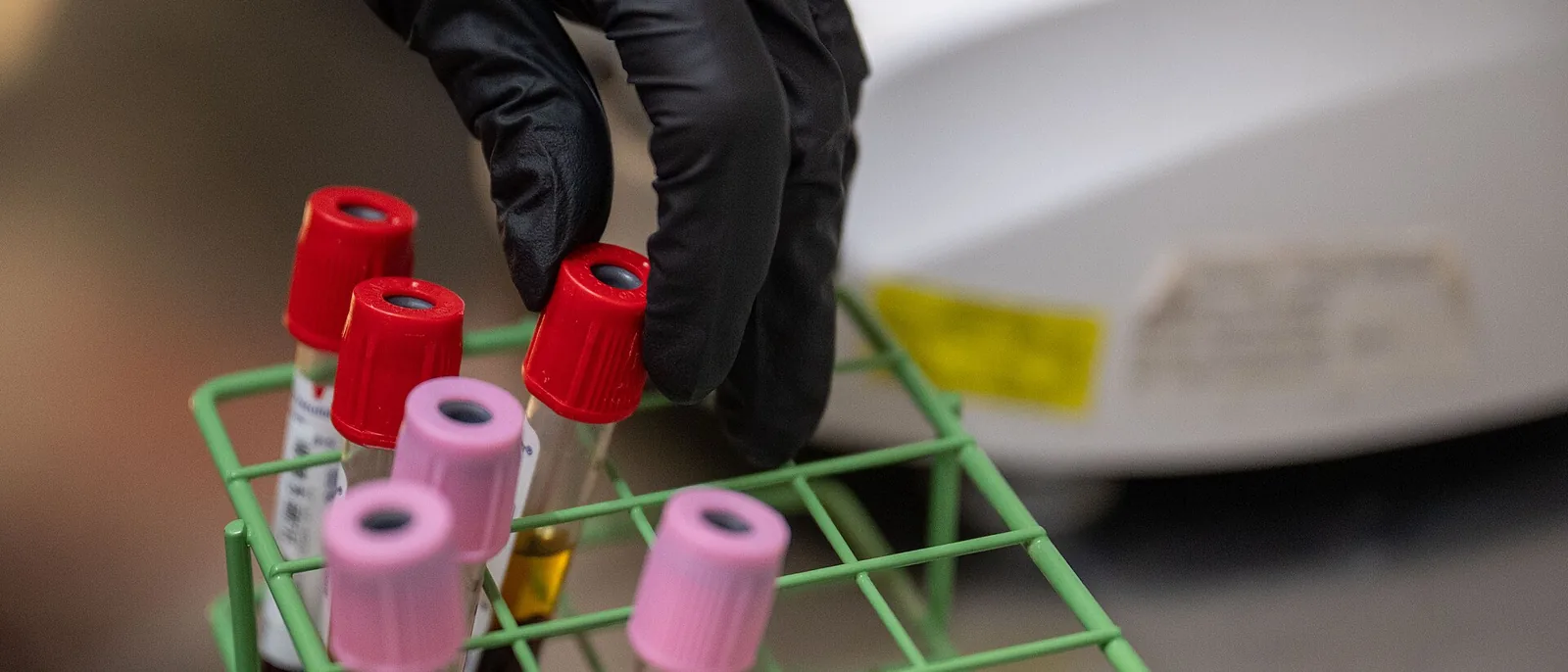
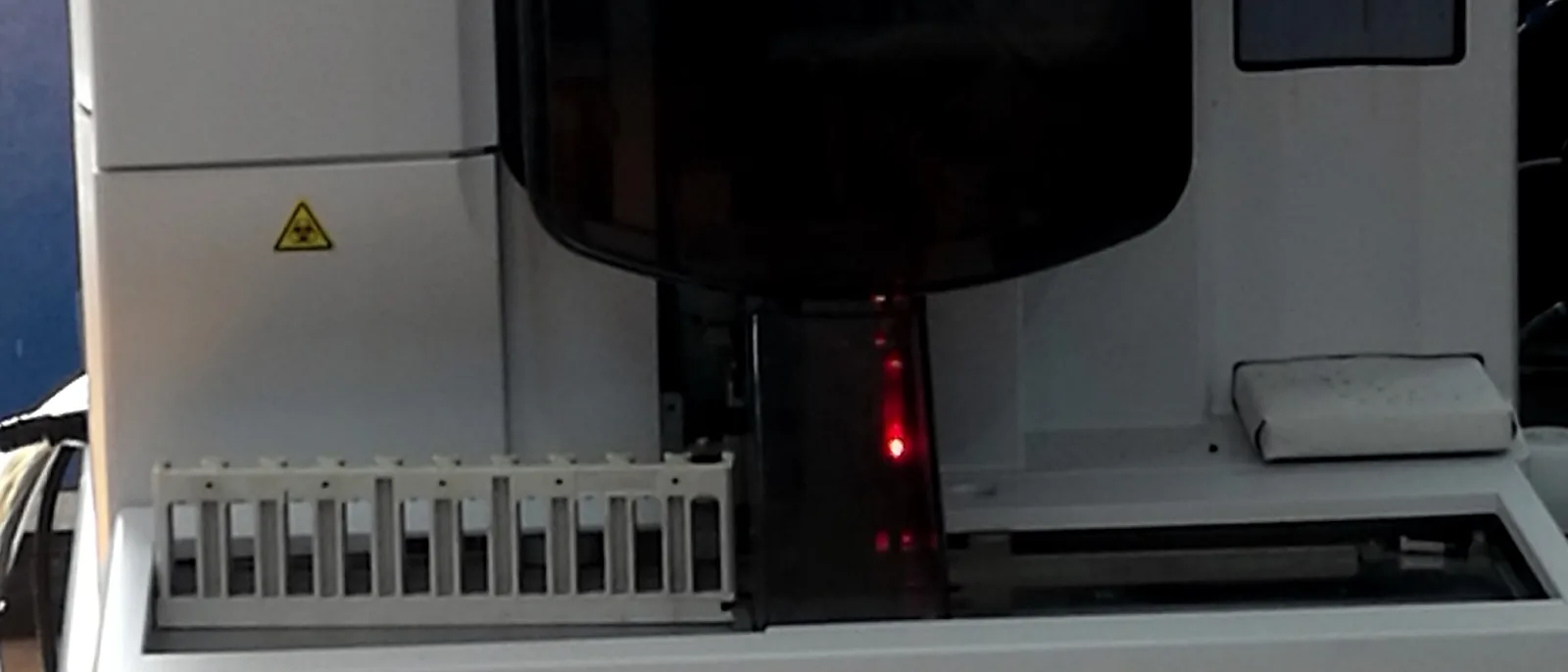
Photo credits (cropped) U.S. Air Force / Kevin Dunkleberger (Public domain) · Ptrump16 (CC BY-SA 4.0)

Before Your Test

  • If lipid or metabolic tests are included, you will often need to fast for 8 to 12 hours, drinking only water (the specialist will advise you)
  • For fasting tests, a morning blood draw is easiest, and you may drink plenty of water
  • Please bring a list of your medications and supplements
  • High-dose biotin can affect some results, so we discuss when to pause it in advance
  • Do not stop prescribed medications unless your doctor tells you to
  • Please avoid heavy drinking the night before
  • Let us know if you are menstruating or might be pregnant
  • Let us know about any recent fever or vaccination

Your Visit and Results

It usually takes about 20 to 40 minutes from arrival to blood draw. Routine results are typically ready in 1 to 2 business days. Tests sent to outside labs may take longer, and we will let you know in advance.

  • After check-in, we review your symptoms, reason for testing, medications and allergies
  • The specialist selects only the tests you need
  • Blood is drawn, with numbing spray available if you wish
  • We explain your results and refer you for treatment or other care when needed

Safety and Comfort

If you have chest pain, severe shortness of breath, confusion, fainting, black or bloody stool, or sudden neurological symptoms, do not wait for an outpatient test. Call 119 or go to an emergency room.

  • We use single-use sterile supplies
  • Tell us if you have ever felt dizzy or fainted during a blood draw. We can draw blood while you lie down
  • If needles make you anxious, we go slowly and take breaks
  • After the draw, press firmly on the cotton ball for 3 to 5 minutes and keep the bandage on for 30 to 60 minutes
  • Avoid strenuous arm exercise on the day of your draw

How to read your blood test results

Each line on a blood test report shows your value next to a reference range. The range covers most healthy people, so a value slightly outside it does not always mean disease, and a value inside it is not always fine. We interpret results together with your symptoms and past results.

  • CBC (complete blood count): white blood cells (WBC) for infection and inflammation, red cells and hemoglobin for anemia, platelets for bleeding tendency
  • Liver enzymes (AST, ALT, GGT): these can rise with fatty liver, alcohol, medicines or hepatitis, so we look for the cause
  • CRP: rises when there is inflammation somewhere in the body, but does not say where
  • Blood sugar and HbA1c: fasting glucose shows that day's level, while HbA1c reflects the average over the past 2 to 3 months
  • Kidney function (creatinine, eGFR) and cholesterol: for kidney and blood vessel health

Cholesterol Levels and High Cholesterol Criteria

High cholesterol (hyperlipidemia) means too much cholesterol or triglyceride in the blood. Clinical guidelines use the broader term dyslipidemia, which also includes low HDL cholesterol. A lipid panel is part of a routine blood test, and a single draw measures total cholesterol, LDL cholesterol, HDL cholesterol and triglycerides. Your cholesterol numbers are read together as a set.

LDL cholesterol builds up in artery walls and causes atherosclerosis. That is why it is called bad cholesterol, and most treatment decisions are based on this number. HDL cholesterol carries leftover cholesterol from the blood vessels back to the liver, which is why it is known as good cholesterol.

We use the ranges in the Korean Society of Lipid and Atherosclerosis guidelines. Dyslipidemia is diagnosed when total cholesterol, LDL cholesterol or triglycerides fall in the high range or above, or when HDL cholesterol is low. Triglycerides rise sharply after eating, so a cholesterol test is most accurate after fasting.

Depending on the lab, the LDL cholesterol on your report is either measured directly or calculated by subtracting HDL cholesterol and one fifth of your triglycerides from total cholesterol. A calculated value reads lower than the true level as triglycerides rise and cannot be used once triglycerides reach 400 mg/dL, so in that case we go by a directly measured value.

  • Total cholesterol: under 200 mg/dL is desirable, 200 to 239 is borderline, 240 or higher is high
  • LDL cholesterol: under 100 mg/dL is optimal, 100 to 129 is normal, 130 to 159 is borderline, 160 to 189 is high, 190 or higher is very high
  • HDL cholesterol: under 40 mg/dL is low, 60 or higher is high
  • Triglycerides: under 150 mg/dL is desirable, 150 to 199 is borderline, 200 to 499 is high, 500 or higher is very high

Symptoms and Causes of High Cholesterol

High cholesterol usually causes no symptoms. Cholesterol can build up in the arteries without any warning and first show itself as angina, a heart attack or a stroke, so it is better to check with a blood test than to wait for symptoms. Very high triglycerides, above 500 mg/dL, can cause acute pancreatitis.

The most common causes are a diet high in saturated fat and sugar, excess weight, lack of exercise, smoking and frequent drinking. When cholesterol is high in someone who is lean and eats carefully, we look for genetic causes or other conditions. Hypothyroidism, diabetes, kidney disease and menopause can also raise cholesterol, as can medicines such as steroids. An LDL of 190 mg/dL or higher with a family history of early heart attack suggests familial hypercholesterolemia.

Treatment and Medication for High Cholesterol

Treatment centers on bringing LDL cholesterol below a target, and the target depends on your cardiovascular risk. Under the guidelines, the goal is under 55 mg/dL with coronary artery disease such as angina or a past heart attack, under 70 after a stroke, and under 100 with diabetes (under 70 if you have had diabetes for 10 years or more or have other risk factors). Without these conditions, the LDL goal is under 130 if you have two or more risk factors such as age, high blood pressure, smoking or family history, and under 160 otherwise.

Statins, which reduce cholesterol production in the liver, are the main medication, and ezetimibe, which reduces absorption in the gut, is often added. For high-risk patients who do not reach their goal on both, a PCSK9 inhibitor injection given every 2 weeks or once a month may be used. When to take your medicine depends on the drug: atorvastatin and rosuvastatin can be taken at any time of day, while shorter-acting statins such as simvastatin are usually taken in the evening.

Statins occasionally cause muscle aches or a rise in liver enzymes, so we check your response and liver tests with a blood test 4 to 12 weeks after starting. Tell us right away if you have severe muscle pain or dark urine. Levels usually rise again if the medicine is stopped, so do not stop it on your own, and a diet lower in saturated fat and regular exercise remain the foundation even while you take medication.

Why Fasting Blood Sugar Runs High, and HbA1c Levels

A normal fasting blood sugar is under 100 mg/dL, and a normal HbA1c is under 5.7%. A fasting level of 100 to 125 mg/dL or an HbA1c of 5.7 to 6.4% indicates prediabetes, and 126 mg/dL or 6.5% and above meets the threshold for diabetes. An HbA1c of 5.7% is therefore just past normal, where prediabetes begins, while an HbA1c as high as 9.7% means your average blood sugar over the past few months has been around 230 mg/dL, so see a doctor without delay to plan treatment.

The HbA1c test does not require fasting, but anemia or kidney disease can make it differ from your actual blood sugar, so we read it alongside fasting glucose. Besides prediabetes or diabetes, a high fasting result can come from a fast that was too short, poor sleep, an acute illness such as a cold, stress, or medicines such as steroids, so a single high reading is rechecked on another day. Managing fasting blood sugar starts with not eating dinner late and cutting back on late-night snacks and sugary drinks, and regular exercise and weight loss also help.

Liver Function Tests and Fatty Liver

Liver function tests are blood tests that look at AST, ALT and GGT along with bilirubin, albumin and other markers. If levels are raised, we test for hepatitis B and hepatitis C to check for viral hepatitis and use an abdominal ultrasound to look for fatty liver. If your levels are several times above normal, or your eyes turn yellow or your urine darkens, seek care promptly.

Fatty liver has two broad causes: alcohol and metabolic problems. Alcoholic fatty liver comes from heavy drinking, while nonalcoholic fatty liver develops with obesity, diabetes or high cholesterol even in people who drink little. Left untreated over time, fatty liver can lead to inflammation and scarring of the liver and progress to cirrhosis.

The foundation of treatment is losing 7 to 10% of body weight and stopping alcohol. No medicine replaces these lifestyle changes, and medication for fatty liver with inflammation or advanced scarring is decided after a consultation. Treating diabetes or high cholesterol that comes with it also helps the liver.

Kidney Function and Urine Protein Tests

Kidney function is assessed with the glomerular filtration rate (eGFR), calculated from blood creatinine, together with protein in the urine. Urine protein is first checked with a dipstick, and the urine albumin-to-creatinine ratio is measured when an exact amount is needed. Protein can appear briefly after strenuous exercise or a fever, so a positive result is rechecked. When an eGFR below 60 or protein in the urine lasts more than 3 months, it is diagnosed as chronic kidney disease, most often caused by diabetes or high blood pressure.

Anemia Tests and Iron Deficiency Anemia

Anemia means hemoglobin below 13 g/dL in adult men or 12 g/dL in women. Common symptoms are tiring easily, shortness of breath, a pounding heartbeat and pale skin. Many people blame anemia when their vision goes dark on standing up, but this is often orthostatic hypotension, so we first confirm anemia with a blood test.

Anemia testing uses a complete blood count (CBC) to check hemoglobin and red cell size, then ferritin, iron, vitamin B12 and folate to find the cause. Iron deficiency anemia, the most common type, shows low ferritin, and heavy periods are a frequent cause in women. In men and in women after menopause, iron deficiency anemia can come from slow bleeding in the stomach or colon and may call for an endoscopy, in which case we refer you to a nearby screening center or hospital.

Treatment depends on the cause. Iron deficiency anemia is treated with prescribed oral iron, which is continued for a few months after hemoglobin recovers to rebuild the body's iron stores.

When Inflammation Markers Are High

The main blood markers of inflammation are CRP and the erythrocyte sedimentation rate (ESR). Labs report CRP in either mg/dL or mg/L, so if your report shows a CRP of 6, check the unit first. In mg/L it is only slightly above normal, but in mg/dL it points to significant inflammation, such as a bacterial infection.

Raised inflammation markers have a wide range of causes, from a mild infection like a cold to arthritis or autoimmune disease, so we look at your symptoms, examination findings and white blood cell count together and add tests as needed. If no clear cause is found, we recheck in a few weeks to see whether the level comes down.

What blood tests can and cannot tell about cancer

Many people ask whether a blood test can diagnose cancer. Tumor markers exist (AFP for liver cancer, CA19-9 often linked to pancreatic cancer, CEA for colorectal and other cancers, PSA for the prostate), but they can be normal when cancer is present and raised when it is not, so they cannot diagnose or rule out cancer on their own.

Tumor markers are mainly used to follow a cancer that has already been diagnosed or to monitor people at high risk, while cancer screening relies on imaging or endoscopy suited to your age and risk. If a marker comes back high, we arrange tests to find the cause.

Few cancers can be found early with tumor marker blood tests. There is no reliable blood marker for stomach cancer, so it is screened with endoscopy, and the same is true for lung cancer, which is screened with low-dose chest CT in long-term smokers. PSA, used to test for prostate cancer, can also rise with an enlarged or inflamed prostate, so a high result is followed up with a urologist.

STD Testing: What We Test and When

STD testing uses blood and urine samples. Syphilis and HIV are tested with a blood draw, while chlamydia, gonorrhea, trichomonas, mycoplasma and similar infections are detected with a urine test that looks for the genetic material of several organisms at once. Men give the first part of a urine stream at least an hour after last urinating. Women can also be tested with urine, but if you have increased discharge or lower abdominal pain, we recommend a gynecologic exam as well.

Timing depends on the infection. Chlamydia and gonorrhea are usually detectable 1 to 2 weeks after sex, but syphilis and HIV take longer because the body needs time to make antibodies. With a combined antigen and antibody test, HIV is usually detectable 4 weeks after exposure, and a negative result is confirmed by retesting after 12 weeks. After a high-risk exposure, preventive medication (PEP) can be started within 72 hours at an emergency room or an infectious disease clinic. If you have symptoms, see a doctor now rather than waiting for the testing window.

H. pylori Testing and Eradication Treatment

Helicobacter pylori is a bacterium that lives in the stomach lining and is usually passed between family members by mouth in childhood. Most infected people have no symptoms, but it causes chronic gastritis and stomach and duodenal ulcers and raises the risk of stomach cancer.

A blood antibody test shows whether you have ever been infected, but it stays positive long after treatment, so it cannot tell whether the bacteria are still there. Active infection is confirmed with a tissue sample taken during endoscopy, a urea breath test or a stool antigen test. An endoscopy for a tissue sample is arranged at a nearby screening center or hospital.

Eradication treatment means taking a stomach acid reducer with two or three antibiotics for 1 to 2 weeks, and it is recommended for people with stomach or duodenal ulcers or after treatment for early stomach cancer. At least 4 weeks after finishing treatment, a urea breath test or similar test confirms that the bacteria are gone.

The VEI Clinic Approach

Every test is chosen after a consultation with an internal medicine specialist. Tests you request may be adjusted to meet medical standards, and we explain why and get your consent before proceeding.

The same number can mean different things for different people. The specialist decides on a care plan based on your results after your consultation.

FAQ

Frequently Asked Questions

How long should I fast before a fasting blood test?

It depends on the tests. If a test such as a lipid panel requires fasting, we will tell you in advance how many hours to fast.

Can I get exactly the tests I want?

We first ask why you want to be tested and agree on medically appropriate tests together. If tests need to be adjusted, we explain why and get your consent before proceeding.

Can I get tested using an order from another clinic?

In most cases, yes. Bring the order and we will help with the blood draw and testing, and we will also compare the results with any previous ones you have.

I am very afraid of needles. Will I be okay?

We can use numbing spray, draw with you lying down and take breaks along the way. Just tell us what feels comfortable.

Can I have female hormone tests?

Some hormone tests are available depending on your symptoms and purpose. Hormones that change across the menstrual cycle need to be tested on the right day, so we decide the tests and the timing of the blood draw together during your consultation.

What kinds of blood tests are there, and what is in a basic panel?

A basic panel usually means a complete blood count (CBC), liver and kidney function, blood sugar, cholesterol and a urine test. Thyroid, inflammation markers, vitamins and iron, hepatitis antibodies or hormones are added depending on the purpose. Even if you want a comprehensive panel, we choose the items together at the visit.

Can a urine test detect diabetes?

Sugar in the urine suggests high blood sugar, but diabetes is diagnosed with blood tests such as fasting glucose and HbA1c. Urine tests are also used to check kidney health (protein in the urine) in people with diabetes.

If my LDL cholesterol is high, do I need medication right away?

Not based on the number alone. If your LDL is 190 mg/dL or higher, or you have coronary artery disease, a past stroke or diabetes, medication is usually started right away. If your risk is low, we try diet and exercise for a few months and then recheck. The decision to prescribe is made after a consultation that weighs your target level and risk factors.

Is a high HDL cholesterol level good?

Generally, yes. An HDL of 60 mg/dL or higher counts toward lower cardiovascular risk. Even so, if your LDL is high, it is treated on its own terms. If HDL is low, under 40 mg/dL, quitting smoking, exercising and losing weight help raise it.

My health screening flagged possible high cholesterol. What should I do?

It means your total cholesterol came back above the screening cutoff. One result is not conclusive, so we repeat the test after fasting and look at LDL, HDL and triglycerides together to decide whether treatment is needed. A flag for low HDL cholesterol is checked the same way.

If only my triglycerides are high, do I need medication?

Most people start with lifestyle changes. Cutting back on alcohol, sweets and refined carbohydrates such as white rice and bread, and losing weight, often brings triglycerides down. Above 500 mg/dL, medication is started right away to prevent pancreatitis. Below that, if levels stay high after lifestyle changes, the decision depends on your overall cardiovascular risk. Typical options are a fibrate such as fenofibrate or prescription omega-3.

If my liver enzymes are high, should I stop drinking first?

Stop drinking until the cause is found. Strenuous exercise, some medicines, herbal remedies and supplements can also raise liver enzymes, so tell us everything you take, and do not stop prescribed medicines without talking to us. When we repeat the liver test, looking at what changed in between helps narrow down the cause.

Does a high uric acid level mean I have gout?

A uric acid level above 7.0 mg/dL is called hyperuricemia, but not everyone with it develops gout. If you have never had a gout attack, with a joint suddenly becoming swollen and painful, we usually start with weight, alcohol, sugary drinks and organ meats rather than medication, then recheck the level. People who have repeated gout attacks take medication to keep uric acid below 6.0 mg/dL.

Should I get tested for STDs even without symptoms?

Yes, if you have a new partner or your partner has been diagnosed with an STD. Chlamydia and gonorrhea often cause no symptoms, and without treatment they can lead to pelvic inflammatory disease or infertility in women and epididymitis in men. If you are diagnosed, your partner also needs testing and treatment to avoid passing the infection back.

Can you explain blood test results I got elsewhere?

Yes. Bring your report and we will go over the numbers together with your symptoms during your visit, and let you know if anything should be rechecked or added.

How much does a comprehensive blood panel cost?

The cost depends on how many tests are included and whether insurance applies. Tests to investigate symptoms or a condition may be covered by national health insurance, while tests done purely as a health check without symptoms are not covered. Rather than adding as many tests as possible, we choose what you need at your visit and tell you the cost then.

See our custom health checkups →

Why is my cholesterol high even though I watch what I eat?

Most of the cholesterol in your body is made by the liver, and only part of it comes from food, so changing your diet can lower it only so far. How much cholesterol your liver makes and clears from the blood is largely inherited, which is why two people who eat the same way can have very different LDL levels. Saturated and trans fats in fatty meat, butter and fried food also raise LDL more than cholesterol-containing foods such as eggs or shrimp, so we also look at what exactly you have cut back on.

My HbA1c came back at 5.7%. Does that mean prediabetes?

Yes. An HbA1c of 5.7% is just past the normal range, where prediabetes begins. The first step is usually lifestyle change rather than medication, and if you are overweight, the goal is to lose at least 5% of your body weight. Getting at least 150 minutes a week of exercise such as brisk walking can lower your risk of developing diabetes. At this level, fasting glucose or HbA1c is usually rechecked once a year to track any change.

What should I do if I miss the usual time for my cholesterol medication?

Take it as soon as you remember. If it is almost time for your next dose, skip the missed one and take the next dose at the usual time. Never take two doses at once. If you often forget, tying the medication to something you do every day, such as brushing your teeth or a meal, can help.

For men, is a urine test enough for STD testing?

A urine DNA test looks for infections of the urethra, so syphilis and HIV need a blood test as well. After oral or anal sex, infections in the throat or rectum do not show up in urine either, so a sample has to be taken from that site. Let us know at your visit what kind of exposure you had, and we will tell you which tests you need.

Can I use a home self-test kit for an HIV test?

You can, but home self-test kits that use oral fluid check only for antibodies, so a negative result can be trusted only once 12 weeks have passed since exposure. If you want to check sooner, a blood test that looks for both antigen and antibody is the better option. A positive self-test is not a diagnosis and needs to be confirmed with a blood test at a clinic.

My results show a high MPV. Should I be concerned?

MPV (mean platelet volume) is the average size of your platelets, and it means most when read alongside your platelet count. If your platelet count is normal and only the MPV is slightly off, it usually needs no treatment, and the value can also shift with the time between the blood draw and the analysis. If your platelet count is also low or high, we look further for the cause.
Plan your visit to VEITell us your health concern and preferred visit date. Our team will help you arrange a consultation for testing, IV therapy, weight management, body contouring or VEI CELL.
Details
Collected
Name, phone number, WhatsApp number, email, treatment of interest
Purpose
Contacting you about your consultation
Retention
One year from submission, then deleted
Notification
Your request is forwarded to our staff via KakaoTalk business messaging
If you share a health concern (health information consent)
Collected
Your health concern and preferred visit date
Purpose
Preparing your consultation and guiding your care
Retention
One year from submission, then deleted

Your health concern is not included in the KakaoTalk message to our staff. If you prefer not to consent, leave that field empty and you can still send your request.

If you prefer not to agree, you can still reach us by phone, WhatsApp or KakaoTalk.