0%

VEI Clinic · Allergic Rhinitis

When medication is not enough:
allergic rhinitis care

Allergic rhinitis occurs when the nasal lining reacts excessively to substances such as pollen, dust mites or animal hair, causing repeated sneezing, clear nasal discharge, congestion and an itchy nose. At VEI Clinic, we review your symptoms and living environment, with medication as the basis of treatment. For symptoms that are difficult to control with medication or recur each season, we discuss allergy injections containing immunoglobulin.

VEI Clinic, Gangnam — VEI Clinic · Allergic Rhinitis

Allergic Rhinitis or a Cold?

A cold usually improves in about a week and may come with fever or body aches. Allergic rhinitis causes sneezing, clear nasal discharge and itching of the nose and eyes without fever. These symptoms may last for weeks or recur in certain seasons or places.

Allergic rhinitis symptoms are not limited to the nose. They can include red eyes, mucus draining down the back of the throat, and poor sleep from congestion that leaves you tired during the day. A cough that comes with rhinitis is often caused by that drainage irritating the throat, so it tends to be worse at night when you lie down and in the morning. If you also wheeze or feel short of breath, we check whether asthma is present as well. Unlike the clear, watery discharge of rhinitis, thick yellow mucus with facial pain that lasts more than 10 days suggests that sinusitis may have developed on top of rhinitis, and we check for it.

Causes and Types of Rhinitis

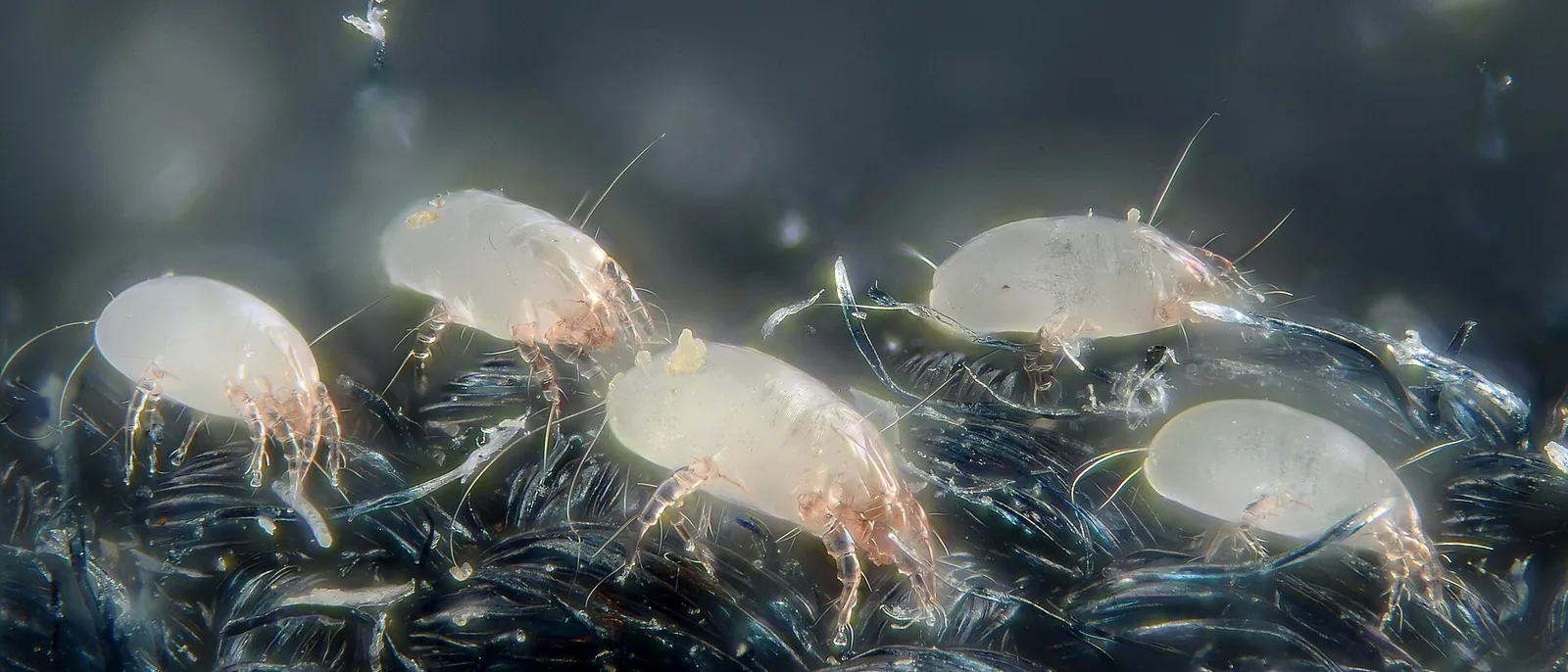
Allergies are not the only cause of rhinitis. If cold air, sudden temperature changes, spicy food, cigarette smoke or strong odors bring on a runny or stuffy nose and allergy testing finds no trigger, the cause may be vasomotor rhinitis. Rhinitis that gets worse in summer may come from the temperature swings of air conditioning, or from an allergy to dust mites and mold, which thrive in humid weather.

When congestion lasts a long time, the lining inside the nose can thicken until it no longer shrinks with medication. This is called hypertrophic rhinitis. Treatment for chronic rhinitis therefore depends on the cause: allergic rhinitis is managed by reducing exposure to triggers and using medication, vasomotor rhinitis by avoiding irritants and using nasal sprays, and hypertrophic rhinitis that does not improve with medication may call for a procedure at an ear, nose and throat (ENT) clinic to reduce the swollen lining.

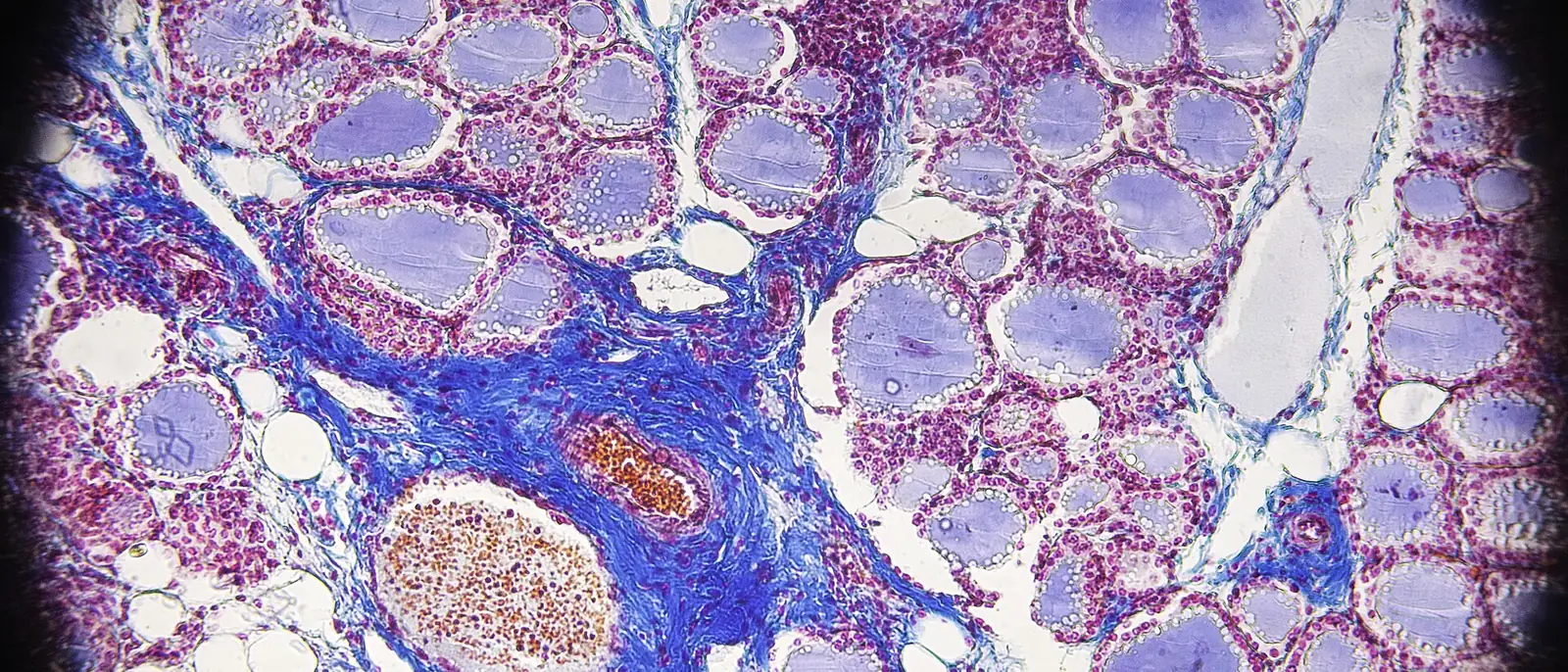
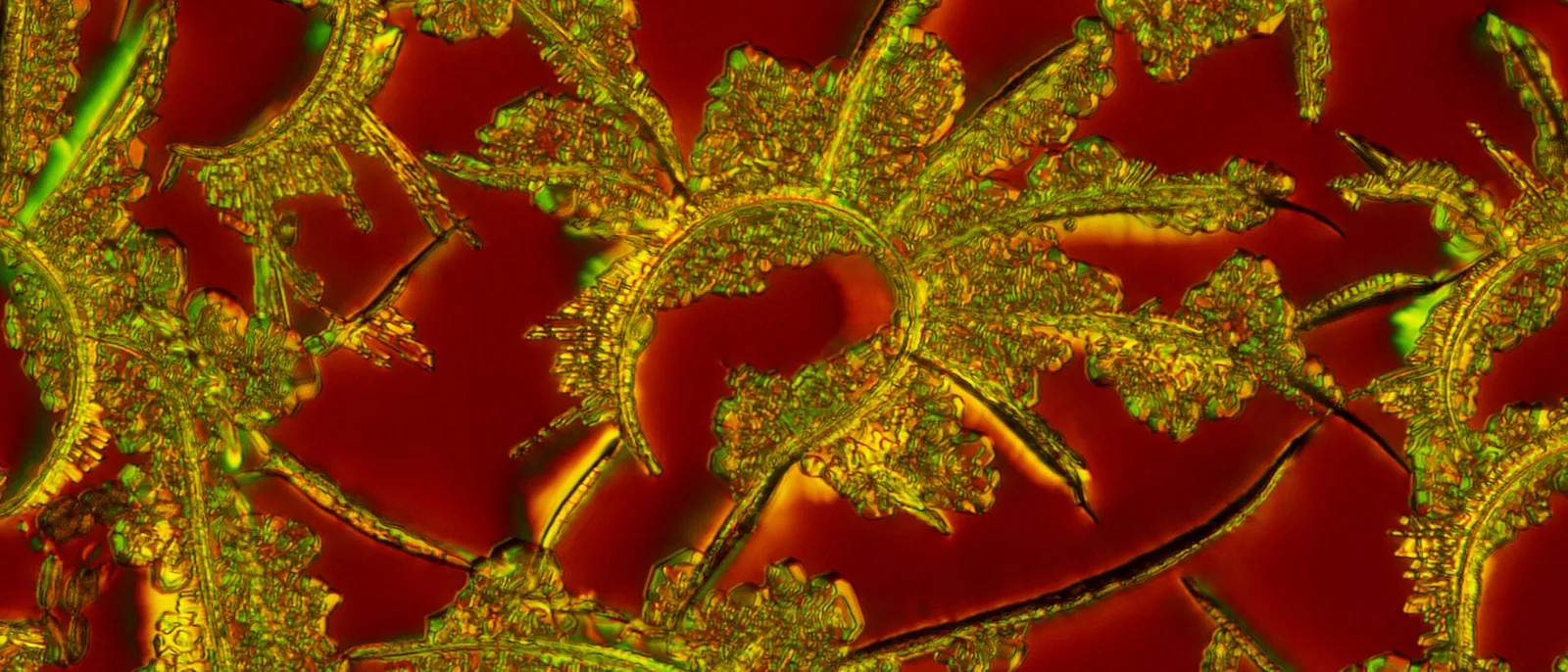
Photo credits (cropped) Asja Radja (CC BY 4.0) · Gilles San Martin (CC BY-SA 2.0)

Treatment Options

  • Reducing triggers: washing bedding, managing indoor humidity and ventilation, and limiting time outdoors on high-pollen days
  • Oral medication: antihistamines to reduce sneezing, nasal discharge and itching
  • Nasal sprays: steroid sprays to reduce inflammation in the nasal lining, most effective with consistent daily use
  • Allergy injections: considered after consultation when medication does not adequately control symptoms

Types of rhinitis medicine

Medicines for allergic rhinitis are chosen to fit your symptoms and routine, and combined if one is not enough.

  • Antihistamines (tablets): work quickly on sneezing, runny nose and itching; we start with less drowsy options
  • Steroid nasal sprays: the core treatment that also relieves congestion, and they work best when used every day
  • Leukotriene modifiers: added when asthma is also present or congestion is severe
  • Decongestant sprays: clear a blocked nose quickly, but using them for more than a week can make congestion worse, so they are only for short periods

Histobulin injections (allergic rhinitis injections, histamine-globulin)

Histobulin injections combine human immunoglobulin and histamine, with the aim of reducing the body's excessive response to histamine. Besides allergic rhinitis, they are approved for chronic hives and bronchial asthma. For adults, one course is usually three injections under the skin 4 to 7 days apart; if the effect is insufficient within a month, one or two more courses are given, and a single injection every 3 to 4 months may be used to maintain the effect. They do not relieve symptoms right away and are not given during an asthma attack.

Responses vary widely, and the injections do not help everyone. We discuss them with people who want to reduce their medication use or whose symptoms become severe each season before proceeding.

Allergy treatment usually starts with reducing exposure to triggers and taking medication. Allergen immunotherapy is a separate approach that trains the body to react less to a specific trigger. The allergen confirmed by testing is given in very small, gradually increasing doses, either as shots or as tablets or drops dissolved under the tongue, for persistent allergic rhinitis or allergic asthma. It usually needs to be continued for 3 to 5 years, results vary from person to person, and it is different from Histobulin injections, which contain no allergen. If immunotherapy seems right for you, we will refer you to a clinic that provides it.

Precautions

Because it contains an ingredient from human blood, tell us if you have ever reacted to this injection or to immunoglobulin. It is not given during a severe asthma attack, just before or during a menstrual period, if you are or may be pregnant, or if you are severely weakened.

Swelling or itching at the injection site can occur, and a severe allergic reaction such as shock is possible in rare cases, so we observe you briefly after each shot. Because it is made from human blood, the risk of infection or blood clots cannot be ruled out completely. Seek emergency care right away if you become short of breath, have chest pain, or notice pain and swelling in one arm or leg.

What to Expect

  • History: seasons when symptoms are worse, your living environment, current medications and whether you have asthma
  • Exam: checking your nose, with blood tests for allergens if needed
  • Treatment: medication prescriptions or an allergy injection plan
  • Follow-up: adjusting medication and the number of injections based on changes in symptoms

Hives: Symptoms and Causes

Hives are raised red welts that look like mosquito bites and itch intensely. Each welt usually fades without a trace within a day, but new ones keep appearing in other places. Depending on where the reaction happens, allergy symptoms can show up as rhinitis in the nose, hives on the skin or asthma in the airways, and some people have more than one.

Acute hives, which clear up within six weeks, are commonly set off by infections such as colds, by foods or by medications. Hives caused by an allergic reaction to foods such as shellfish, nuts or peaches, or to certain antibiotics, usually begin within two hours of eating the food or taking the medicine and can spread over the whole body. Chronic hives, which come back almost every day for more than six weeks, usually have no identifiable cause even after testing. Many people blame weakened immunity because the hives flare when they are tired, but more often fatigue, stress, alcohol and anti-inflammatory painkillers are what make existing hives worse.

Hives on the face have much the same causes as hives elsewhere, but they are more often accompanied by angioedema, a deeper swelling of the lips and eyelids. A red, itchy reaction only where a new cosmetic or hair dye touched the skin is more often contact dermatitis than hives. If hives come with swelling of the tongue or throat, shortness of breath, or dizziness or feeling faint, this may be anaphylaxis, so call 119 or go to an emergency room right away.

Hives and Rashes Triggered by Sweat, Cold or Sunlight

Cholinergic urticaria causes small, prickly welts 1 to 3 mm across when your body temperature rises and you sweat, for example during exercise, a hot bath, a spicy meal or a stressful moment. It is common from the teens through the thirties, is the first thing to consider when tiny bumps appear after sweating, and usually settles within about an hour. Treatment centers on avoiding sudden rises in body temperature, such as saunas and hot tubs, and using an antihistamine to ease the itching.

Cold urticaria causes swelling and itching where cold wind, cold water or a cold drink touches the skin, and the welts may become more noticeable as the body warms up again. It can be confirmed with a simple test in which an ice cube is held on the inner forearm for about five minutes and the spot is checked for swelling after it is removed. Plunging the whole body into cold water can make blood pressure drop and cause fainting, so cold-water swimming, including in mountain streams, should be avoided.

The most common sun allergy is polymorphous light eruption, an itchy red rash on exposed skin such as the neck, arms and chest that appears a few hours to a few days after the first strong sun of spring or early summer. Solar urticaria, in which welts rise within minutes of sun exposure and fade within an hour or two, is rare. Shield your skin with sunscreen, long sleeves and a hat, ease itching with medication, and tell us if you take medicines that make the skin more sensitive to sunlight, such as certain antibiotics or diuretics.

Hives: Treatment and Testing

The mainstay of treatment for hives is a non-drowsy antihistamine taken by mouth, along with avoiding a food or medication when it is clearly the cause. Widespread hives that affect only the skin, without shortness of breath or dizziness, are treated on an outpatient basis with oral medication, and a few days of steroids may be added when itching and swelling are severe.

Treatment for chronic hives starts with taking an antihistamine every day, even on days without symptoms; if symptoms are not controlled, the dose is increased or the medication is changed. It is continued for a while after symptoms settle and then tapered gradually. If medication alone does not control your symptoms, we can discuss the Histobulin injections described above. If symptoms still persist, we refer you to a university hospital allergy clinic that offers biologic injections.

Testing is usually not needed for acute hives, although an allergy blood test can check a suspected food. For chronic hives, blood tests for markers of inflammation and thyroid function help make sure no other condition is behind them.

The VEI Clinic Approach

An internal medicine specialist first listens to your symptoms and reviews your living environment. If medication can control your symptoms, we use it first. Before allergy injections, we explain why they may be needed and their limitations. If we suspect a structural nasal problem or sinusitis, we recommend ear, nose and throat care.

FAQ

Frequently Asked Questions

How many Histobulin (allergic rhinitis) injections do I need?

For adults, one course is usually three injections 4 to 7 days apart, and if the effect is insufficient within a month, one or two more courses are given. A single injection every 3 to 4 months may be used to maintain the effect, and the number depends on your symptoms and response.

Can I stop my medication after the injections?

This varies from person to person. Some people can reduce their medication, while others see little benefit. We adjust medication based on your progress.

Are these the same as steroid injections?

No. They contain immunoglobulin and histamine, with no steroids.

How can I tell whether I have a cold or allergic rhinitis?

Sneezing, clear nasal discharge and itching that last for weeks without fever or recur each season are more likely to be allergic rhinitis. We distinguish them through an examination.

Do you treat seasonal or chronic rhinitis?

Yes, both seasonal allergic rhinitis that flares at every change of season and chronic rhinitis with year-round congestion. Chronic rhinitis can also come from nasal structure or sinusitis, so if medicine does not help we refer you to an ENT specialist as well.

Are allergic rhinitis and nasal allergies the same thing?

Yes, they are names for the same condition, in which the nasal lining overreacts to triggers such as pollen, house dust mites or pet dander, causing repeated sneezing, a clear runny nose and congestion.

My nose is so blocked I cannot sleep. What can I do?

Regular use of a steroid nasal spray is the basis of treatment, and a saline rinse before bed also helps. If you have been using an over-the-counter decongestant spray for a long time, it may itself be causing the congestion, so let us know at your visit.

Can blood tests find the cause of cholinergic or cold-induced hives?

Usually not. These hives are skin reactions to physical triggers, such as a rise in body temperature that makes you sweat or contact with cold, so they rarely show up on blood tests for pollen or food allergies. The same goes for polymorphous light eruption, often called a sun allergy. Diagnosis rests mainly on a detailed account of when and in what situations your symptoms appear, and if needed we recreate the trigger, for example by holding an ice cube against the skin, to see how it reacts.

Do I need to take medicine for cholinergic urticaria every day?

If symptoms appear almost every day, an antihistamine is taken daily. If they are occasional, it may be taken an hour or two before something that will make you sweat, such as exercise. We adjust how you take it based on how much your symptoms improve.

Can allergy symptoms start for the first time in adulthood?

Yes. Allergies that were not there in childhood can appear for the first time as an adult. A move, a new pet or your workplace can expose you to new triggers, so noting when and where your symptoms get worse helps us find the cause.

Is medicine for skin allergies different from rhinitis medicine?

Oral antihistamines are used for both rhinitis and hives, so if you have both, one medicine can often control them together. For allergic skin reactions limited to where something touched the skin, such as contact dermatitis, a cream or ointment is the main treatment rather than pills.

Can I use allergic rhinitis medicine long term?

It depends on the medicine. Non-drowsy antihistamines and steroid nasal sprays are rhinitis treatments meant to be used every day for as long as symptoms continue, and they can be reduced or paused once symptoms settle. Oral steroids are used only for short periods because of their side effects.

Will a shot for hives make them go away right away?

Antihistamine or steroid injections given for severe itching and swelling ease symptoms quickly, but they do not remove the cause, so oral medication is continued for a few days. Histobulin injections for chronic hives do not work right away; they are given as a series while we monitor your progress.

Can I claim rhinitis care on private health insurance?

For patients enrolled in Korea's National Health Insurance, rhinitis visits and prescriptions are covered, and the portion you pay is usually eligible for a claim under Korean private indemnity insurance. Outpatient claims are paid after the deductible set by your policy, and coverage of services outside National Health Insurance also varies by policy, so please check with your insurer first. Receipts and itemized statements for your claim are available after your visit.

I have a stuffy nose and phlegm. Is it rhinitis?

With allergic rhinitis, mucus can drip down the back of the throat (postnasal drip), so it may feel like phlegm is stuck in your throat and you may clear your throat often. However, if yellow or green mucus and phlegm last more than ten days, or facial pressure and pain come with a fever, it may be sinusitis, and if a cough with phlegm continues for more than two weeks, causes in the airways or lungs also need to be checked. We examine your nose and throat to find the cause, and if it is rhinitis, a steroid nasal spray and saline rinses reduce both the congestion and the postnasal drip.

Will cough medicine stop a cough caused by rhinitis?

Cough suppressants alone usually do not stop it. The cough eases only when less mucus drains down the back of the throat, so we first treat the nasal inflammation and discharge with a steroid nasal spray or an antihistamine. It can take a few weeks for the cough to settle. If it does not improve with continued nasal treatment, we look for other common causes of a lingering cough, such as asthma or acid reflux.

What can I do at home when hives break out all over my body?

If only your skin is itchy and swollen, with no tight throat or shortness of breath, cooling the itchy areas with a cool, damp cloth and not scratching can help. Hot showers, alcohol and tight clothing can make hives spread, so avoid them. If the hives were triggered by cold, as in cold urticaria, do not cool the skin. If the itching keeps you up at night or new welts keep appearing for several days, please come in, since oral medication is usually needed.

I got hives from an allergic reaction to a medicine. What should I do the next time I'm prescribed medication?

Write down the name of the medicine you suspect, and mention it every time you see a doctor or pick up medication at a pharmacy. Antibiotics and anti-inflammatory pain relievers are common causes, and you may also react to other drugs in the same class, so this record helps when choosing an alternative. Do not take the medicine again on your own to see whether it causes hives. If you truly need that medicine, we refer you to a university hospital allergy clinic that performs drug allergy testing.

Can I put an ointment on hives on my face?

Hives are treated with an oral antihistamine rather than a cream or ointment. They are caused by histamine released within the skin, and the welts move to new spots within a day, so ointments do little to settle them. Facial skin is especially sensitive to steroid ointments, and long-term use can thin the skin or cause red bumps, so rather than using an ointment you have at home, please come in for a visit.

Plan your visit to VEITell us your health concern and preferred visit date. Our team will help you arrange a consultation for testing, IV therapy, weight management, body contouring or VEI CELL.
Details
Collected
Name, phone number, WhatsApp number, email, treatment of interest
Purpose
Contacting you about your consultation
Retention
One year from submission, then deleted
Notification
Your request is forwarded to our staff via KakaoTalk business messaging
If you share a health concern (health information consent)
Collected
Your health concern and preferred visit date
Purpose
Preparing your consultation and guiding your care
Retention
One year from submission, then deleted

Your health concern is not included in the KakaoTalk message to our staff. If you prefer not to consent, leave that field empty and you can still send your request.

If you prefer not to agree, you can still reach us by phone, WhatsApp or KakaoTalk.