Who It May Suit
- People with a headache, fatigue or dizziness from dehydration after drinking
- People who find it hard to keep down water or food because of nausea
- People who want their condition checked the day after drinking
VEI IV · Hangover
A hangover IV is supportive care that replaces the fluids and electrolytes lost after drinking and helps address uncomfortable symptoms. An internal medicine specialist first checks your condition and then decides whether an IV is appropriate and what it should contain.
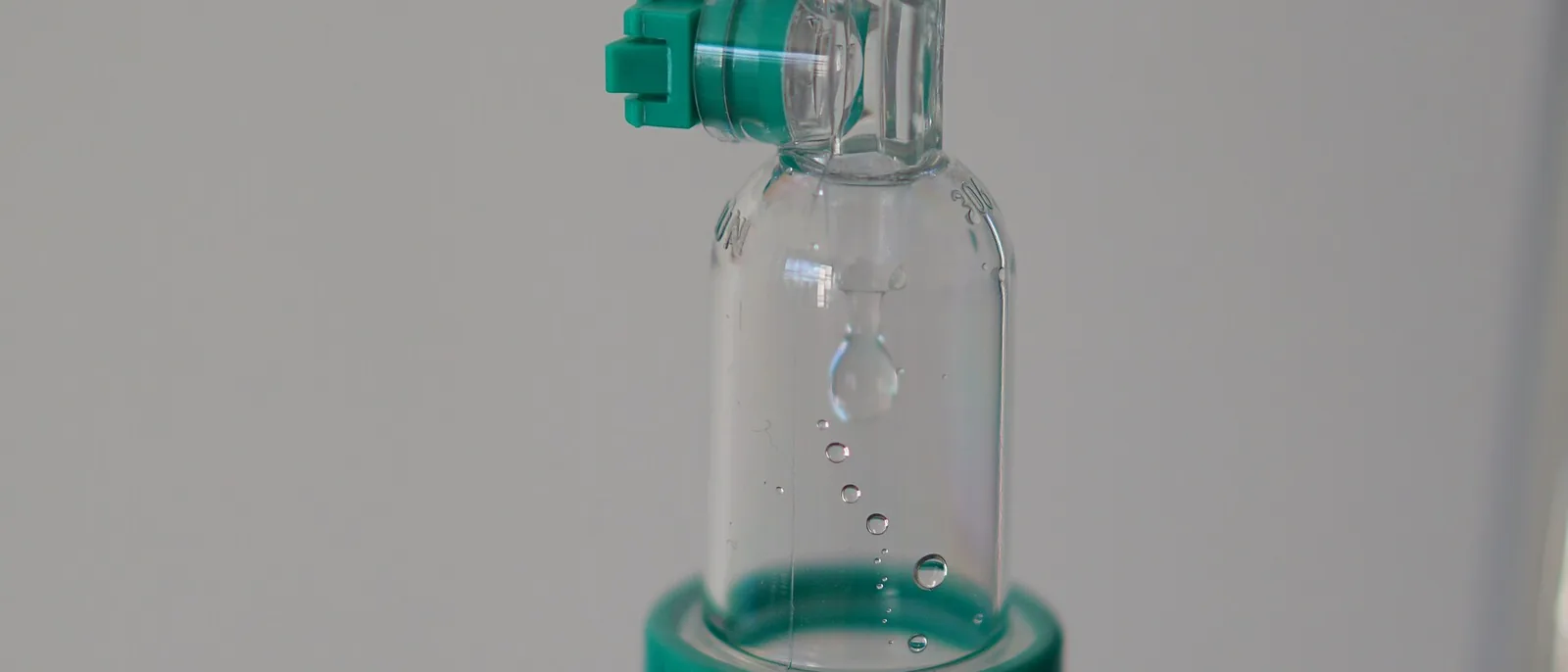
Most of what a hangover IV does comes from correcting dehydration. If vomiting has kept you from holding down water or you are clearly dehydrated, dizziness, thirst and headache may ease as fluids and electrolytes are replaced. An IV cannot make up for lost sleep, and people who are barely dehydrated may notice little difference. How much it helps also depends on how much you drank, your sleep, meals and baseline health. An internal medicine specialist sees you in person before prescribing, and all IVs are given in private rooms.
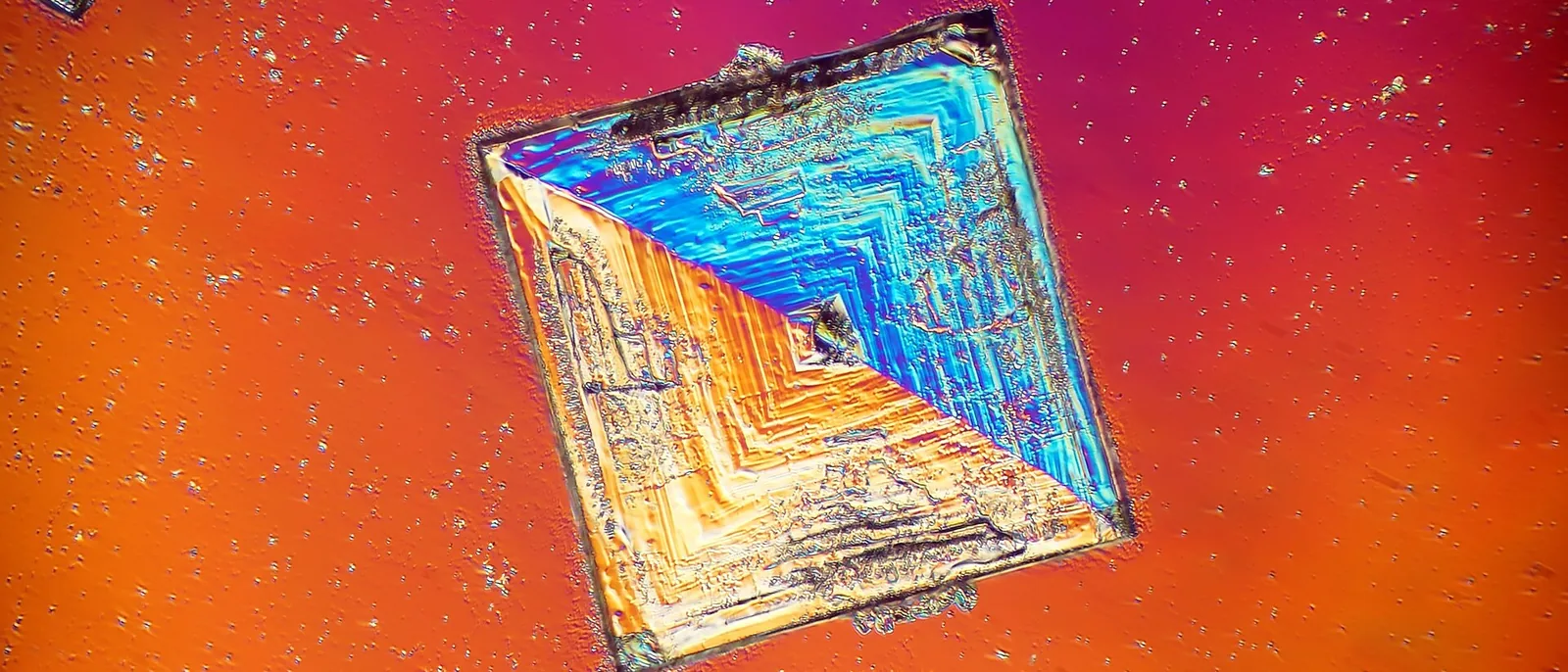
Photo credits (cropped) Alexander Klepnev (CC BY-SA 4.0) · Giftzwerg 88 (CC BY-SA 3.0)
A hangover is the cluster of symptoms that tends to arrive as blood alcohol falls back toward zero, usually the next morning: headache, thirst, tiredness, nausea, dizziness and trouble concentrating. It generally settles within a day, but it can last longer after heavy drinking or a night with very little sleep.
There is no single cause. Alcohol suppresses antidiuretic hormone, the hormone that holds back urine, so you lose more fluid than usual, and acetaldehyde, produced as alcohol is broken down, contributes to headache and nausea. Irritation of the stomach lining, shallow sleep, an inflammatory response and lower blood sugar add to it. Studies have found that dark drinks such as whiskey or red wine, which contain more fermentation by-products called congeners, can cause worse hangovers than the same amount of a clear drink.
Hangovers are usually worse after drinking on an empty stomach, drinking a lot in a short time, or going in short on sleep. If your face flushes red after only a little alcohol, you may have a weaker version of the enzyme that clears acetaldehyde, and even small amounts can hit you hard.
A hangover headache usually starts several hours after drinking, often the next morning, as a pressing or throbbing pain on both sides of the head or across the forehead that can get worse when you move. If the headache lasts more than three days, see a doctor to check for another cause.
Resting somewhere quiet and dark comes first, and if you want to take a pain reliever, check the ingredients before you do. Acetaminophen can raise the risk of liver damage in people who drink often and heavily, and anti-inflammatory pain relievers such as aspirin or ibuprofen can irritate a stomach lining already sensitized by alcohol and raise the risk of stomach bleeding. If you have three or more drinks every day, talk to a doctor or pharmacist before taking any pain or fever reliever.
Some headaches should not be written off as a hangover. A sudden, severe headache, or a headache that starts after falling or hitting your head while drunk, can be a sign of bleeding in the brain. If you have a headache like this, or it comes with weakness on one side of the body, slurred speech, or a high fever and stiff neck, call 119 or go to an emergency room right away.
Hangover nausea comes from alcohol irritating the stomach lining and slowing how quickly the stomach empties, and dehydration can add dizziness on top of it. It tends to be worse if you drank on an empty stomach or drank a lot, and it usually settles as you keep down small amounts of fluid and food.
Gulping a lot of water at once can bring it straight back up, so take a few sips at a time, often. Greasy or spicy foods and coffee can irritate the stomach further, so hold off on them until your stomach settles.
If you keep vomiting even water and have not kept anything down for several hours, or you are barely urinating and your mouth is very dry, you are becoming dehydrated. At that point, rather than forcing more fluids, see a doctor. Whether to replace fluids and electrolytes through an IV is decided after an exam.
No method has yet been shown to make a hangover disappear. What you can do is ease dehydration and discomfort while your body recovers. Sip water or an oral rehydration solution often, take in some sugar and fluid with something easy on the stomach such as honey water or rice porridge, and get enough sleep.
Many popular fixes do not help, and some make things worse. A morning drink only postpones the hangover while adding more alcohol, and saunas or Korean jjimjilbang sweat out even more fluid. A cold shower or strong coffee can make you feel more awake, but it does not sober you up. Forcing yourself to vomit can injure the lining of the esophagus and stomach.
The same goes for products sold as hangover cures. Systematic reviews of randomized controlled trials of hangover remedies (BMJ 2005, Addiction 2022) found no ingredient that reliably prevents or cures a hangover. The most dependable prevention is to drink less, avoid drinking on an empty stomach and alternate drinks with water.
After your consultation, the specialist includes only what you need.
A hangover IV does not make a hangover go away; it is supportive care. If you have any of the following symptoms or suspect alcohol poisoning, seek emergency care right away instead of an IV.
Please let us know in advance if you are pregnant or breastfeeding, have kidney, heart or liver disease, uncontrolled high blood pressure or an irregular heartbeat, have G6PD deficiency (a red blood cell enzyme deficiency) or drug allergies, take diuretics or anticoagulants, or recently had major surgery.
During the IV you may briefly feel chills or flushing, notice a metallic taste, or get a small bruise at the injection site. If dizziness persists or you develop chest pain or trouble breathing, tell us right away.
After you go home, drink plenty of water or oral rehydration solution for the rest of the day and eat gentle foods such as porridge or bananas. Avoid more alcohol until you have fully recovered, and come back for a follow-up visit if vomiting recurs or symptoms continue.
FAQ
It does not get rid of a hangover; it is supportive care for hydration and symptom relief. If your symptoms are severe, emergency care comes first.
Yes, if you are found to be a suitable candidate after your consultation. The specialist decides on the timing.
Most people can go about their day, but keep your schedule light. If you still feel dizzy, do not drive.
Rehydration may help. Medication for nausea is added only when it is judged necessary after your consultation.
It depends on your medical history. The specialist will advise a safe interval and, if needed, talk with you about your drinking habits as well.
A hangover shot usually means a quick injection of vitamins or an anti-nausea drug, while a hangover IV delivers fluids and electrolytes slowly. Dehydration and lack of sleep drive much of a hangover, so we first check whether you need fluids and choose the formula from there.
No. Your liver breaks down alcohol at a fairly steady rate, and a hangover shot or IV does not noticeably speed that up. It is meant to ease discomfort such as dehydration and nausea, and alcohol can still be in your system after the injection, so do not drive until you are fully sober.
More