Do I need to fast?
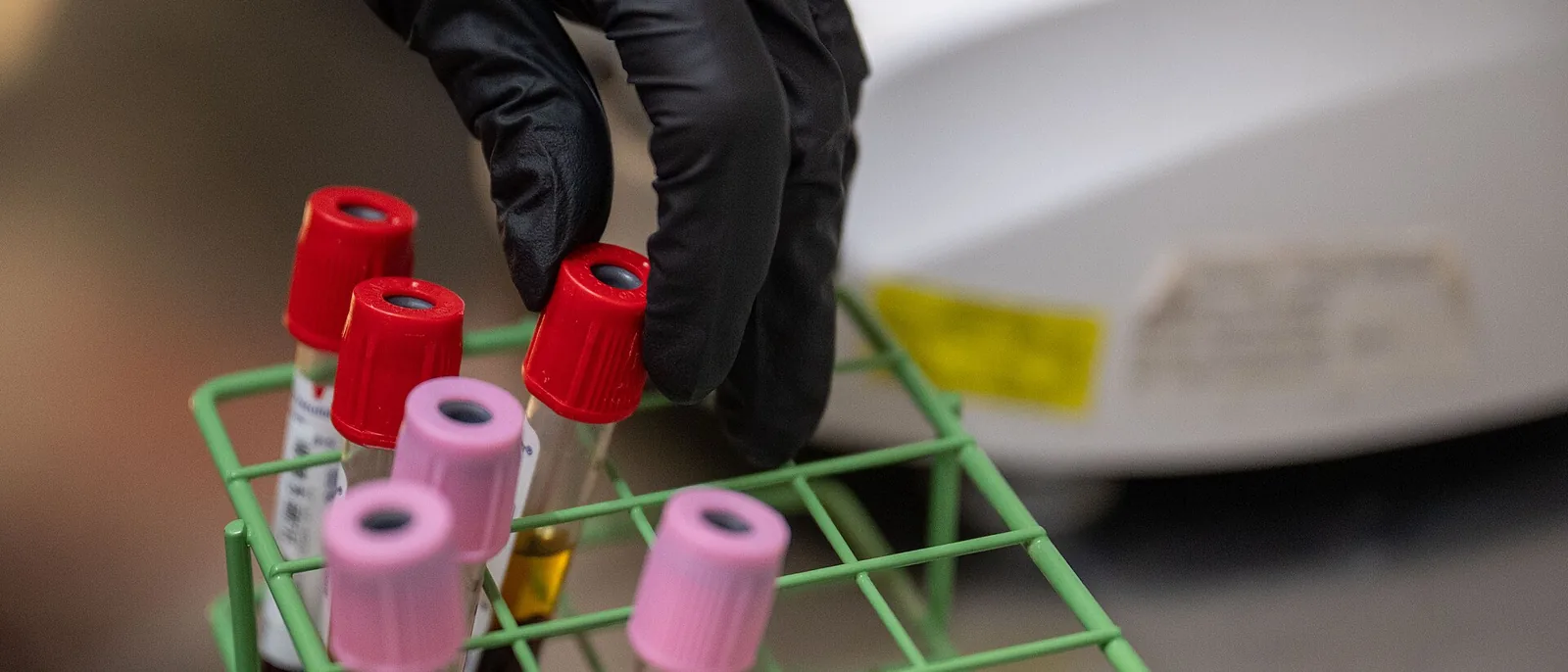
Routine thyroid blood tests do not require fasting. If other tests are included, we will let you know in advance.
I take thyroid medication. What should I do on the test day?
Depending on the purpose of the test, we may ask you to take your medication after the blood draw. Please tell us about your medications when you book.
A health checkup found a thyroid nodule.
We check the size and characteristics of the nodule with ultrasound, and if clinical guidelines call for fine-needle aspiration, we refer you to a partner hospital.
When will my results be ready?
Basic blood tests usually take 1 to 2 business days, and antibody tests take about 2 to 5 days.
Is a thyroid function test the same as a thyroid hormone test?
Usually yes. A blood test measures thyroid-stimulating hormone (TSH) and thyroid hormone (free T4) to see whether the thyroid is underactive or overactive. Thyroid antibodies and an ultrasound can be added if needed.
If my TSH is high, do I need to start medication right away?
If free T4 is also low, that is a typical hypothyroid pattern and treatment begins. If free T4 is normal and only TSH is high, which is called subclinical hypothyroidism, medication usually does not start right away. Subclinical hypothyroidism often causes no symptoms, and TSH can rise temporarily while recovering from a serious illness or because of certain medications. So we recheck TSH along with TPO antibodies and then decide on treatment based on how high TSH is, your age and any pregnancy plans.
How should I approach weight loss with hypothyroidism?
There is no special diet just for hypothyroidism. Much of the weight gained with an underactive thyroid is fluid the body holds onto, so some of it comes off once hormone levels are corrected, and after that weight is managed with the usual approach of diet and exercise. Raising your thyroid hormone dose on your own to lose weight can cause palpitations and bone loss, so we do not recommend it.
Why can thyroid problems cause hair loss?
Thyroid hormone helps regulate the hair growth cycle, so too little or too much of it can make hair thinner overall. With an underactive thyroid, hair can also become coarse and dry and the outer part of the eyebrows may thin, and hair usually grows back over several months once levels return to normal. Other causes such as male pattern hair loss can overlap, so we look at those as well.
See hair loss treatment →
Should I cut back on iodine if I have a thyroid condition?
Most people do not need to. The Korean diet provides plenty of iodine, so the seaweed soup or dried laver you usually eat as side dishes is generally fine. Taking large amounts regularly, such as kelp pills or iodine supplements, can worsen an underactive thyroid in people with Hashimoto's thyroiditis, so it should be avoided. If you are being treated for hyperthyroidism, we will advise you on iodine at your visit, and if you are scheduled for radioactive iodine treatment, follow the low-iodine diet given by the treating hospital.
I'm being treated for a thyroid condition and planning a pregnancy.
Please let us know in advance. If you take thyroid hormone, the dose you need usually goes up during pregnancy, so we check your levels and adjust the dose as soon as the pregnancy is confirmed. Antithyroid drugs may be switched or adjusted in early pregnancy, so we aim to stabilize your levels and plan your medication before you conceive.
I feel tired and puffy, like I have hypothyroid symptoms, but my blood test came back normal.
If both TSH and free T4 are normal, your thyroid is not underactive at this point. Fatigue, puffiness, weight gain and feeling cold are also common with anemia, poor sleep, low mood or reduced activity, so we look into those causes as well. Taking thyroid hormone when levels are normal has not been shown to relieve these symptoms, so we do not prescribe it in that situation.
Will I need to take hypothyroidism medication for life?
It depends on the cause. If your thyroid function has declined because of Hashimoto's thyroiditis, or after surgery to remove the whole thyroid or radioactive iodine treatment, your body cannot make enough thyroid hormone on its own, so the medication is usually continued long term. When the underactive phase is temporary, as after subacute or postpartum thyroiditis, the dose may be reduced or stopped as the thyroid recovers. Whether to stop is decided by rechecking your levels. If you stop on your own, symptoms can come back over several weeks.
My heart races and I feel anxious, like a panic attack. Could it be hyperthyroidism?
It could be. Palpitations, shaky hands, anxiety and trouble sleeping can occur with hyperthyroidism as well as with panic disorder or other anxiety disorders. A panic attack starts suddenly, peaks within minutes and usually settles within 30 minutes. The racing heart of hyperthyroidism tends to continue even at rest or lying down, and often comes with feeling hot or losing weight despite eating well. If these symptoms keep coming back, we recommend checking your thyroid function with a blood test first.
What side effects can hyperthyroidism medication cause?
The most common is an itchy rash or hives, usually within the first few weeks to months of treatment. If it is mild, the medication may be continued along with an anti-itch medicine; if it is severe or does not go away, we switch the medication or discuss other treatment. Rarely, the medication affects the liver, causing yellowing of the eyes or skin and dark urine. If this happens, stop the medication and seek care right away. Before you start, we check your white blood cell count and liver function with a blood test.