0%

VEI IV · Hydration

When it's hard to drink enough water:
a hydration IV

This IV restores fluid and electrolyte balance when vomiting, diarrhea, heat or overwork make it hard to take in enough fluids by mouth. An internal medicine specialist first checks how dehydrated you are and why, and then decides what goes in it.

VEI Clinic, Gangnam — VEI IV · Hydration

Who It May Suit

  • People who could not drink enough during long working hours and feel dizzy or are passing less urine
  • People who have sweated heavily in hot, humid weather
  • People who cannot keep food or water down due to vomiting or diarrhea
  • People who feel dehydrated after an illness or exercise

How Much Dehydration Calls for an IV

An IV for dehydration is used when drinking can't keep up with the fluid you are losing. Mild dehydration often improves with small, frequent sips of water or an oral rehydration solution, so we recommend that first. An IV is considered if you feel dizzy when you stand up and are urinating noticeably less, or if you vomit everything you drink.

We gauge how dehydrated you are from a dry mouth, the amount and color of your urine, your pulse and blood pressure, and how they change when you go from lying down to standing, with blood tests for electrolytes and kidney function when needed. Severe dehydration, such as passing almost no urine or feeling too weak to stay upright, needs emergency care, so go to the emergency room or call 119 right away.

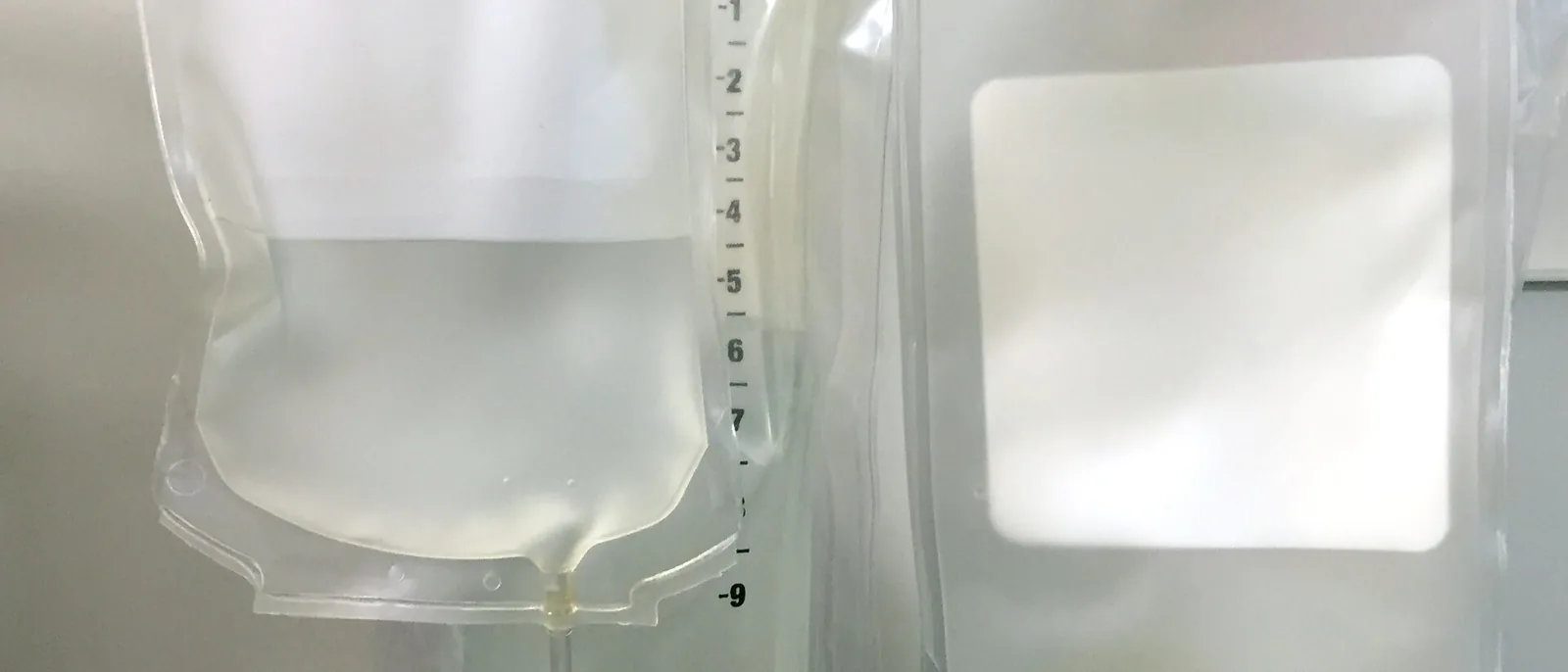
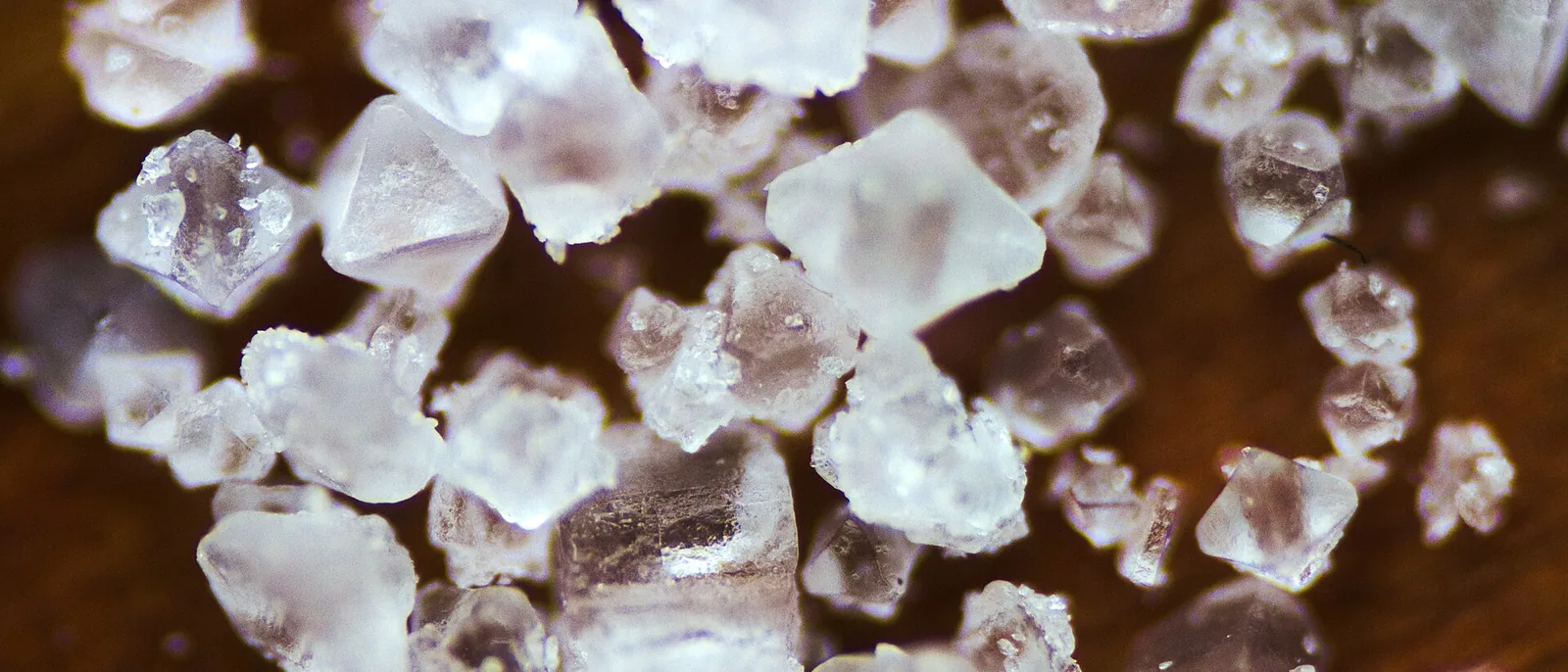
Photo credits (cropped) NIAID (CC BY 2.0) · Stanislav.nevyhosteny (CC BY-SA 4.0)

What's in the IV

The IV is tailored to your condition after the consultation, and the cause of dehydration is addressed separately.

  • A base IV fluid for hydration
  • Electrolytes such as sodium and potassium when needed
  • Symptom relief medication for severe nausea, at the specialist's discretion

What a Saline IV Does, and Its Limits

Normal saline, the fluid most often used in hydration IVs, is a 0.9% sodium chloride solution. Because its concentration is close to that of blood, it does not move into the cells; it stays in the bloodstream and the spaces between cells, and replaces lost body fluid relatively quickly. That fluid replacement is what a saline IV does. It can ease dehydration symptoms such as dizziness, weakness and reduced urination, and how much it helps depends on how dehydrated you are and why.

Saline contains no vitamins, glucose or other nutrients, so it serves a different purpose from IVs meant to provide nutrition. If you have not been able to eat for a while, a fluid containing glucose may be used, and lactated Ringer's solution, whose electrolyte makeup is closer to that of blood, is sometimes chosen instead. For people with reduced heart or kidney function, a large volume given quickly can cause swelling or shortness of breath, so the amount and rate are adjusted.
How a Visit Works

  • History: symptoms, medications, allergies and recent illness
  • Exam: vital signs, with simple tests if needed
  • Explanation and consent: suitability and IV contents
  • IV: given in a private room while we monitor how dehydrated you are (we tell you the time when you book)
  • Before you leave: aftercare advice, with prescriptions if needed

When You Need Emergency Care

Confusion or fainting, chest pain, black stools or bloody vomit, a persistent high fever, or symptoms after a significant head injury need emergency room care. The same applies if you are pregnant or have just given birth and have worrying symptoms.

Precautions and Aftercare

Please tell us in advance if you have kidney, heart or liver disease, uncontrolled high blood pressure, G6PD deficiency or serious drug allergies, or if you take diuretics or blood thinners. You may notice a bruise at the injection site, a brief chill or a metallic taste.

  • Keep drinking water or oral rehydration solution for 24 hours
  • A light meal with protein and vegetables is recommended
  • If you feel dizzy, rest and avoid strenuous activity
  • If symptoms continue or get worse, come back for another visit

The VEI Clinic Approach

An internal medicine specialist first looks for the cause of dehydration and then decides whether an IV is needed. IVs are given in a private room.

FAQ

Frequently Asked Questions

Will the IV make my illness go away?

No. The IV is supportive care that replenishes fluids and electrolytes, and the specialist treats the underlying condition separately.

How soon will I feel better?

It depends on how far the dehydration has been corrected; we check whether you are passing urine again and feel less thirsty.

Can I drive after the IV?

Most people can go about their day as usual, but keep your schedule light that day. If you feel dizzy, do not drive.

Can I also receive medication for nausea?

Only if the specialist decides it is needed after the consultation.

Plan your visit to VEITell us your health concern and preferred visit date. Our team will help you arrange a consultation for testing, IV therapy, weight management, body contouring or VEI CELL.
Details
Collected
Name, phone number, WhatsApp number, email, treatment of interest
Purpose
Contacting you about your consultation
Retention
One year from submission, then deleted
Notification
Your request is forwarded to our staff via KakaoTalk business messaging
If you share a health concern (health information consent)
Collected
Your health concern and preferred visit date
Purpose
Preparing your consultation and guiding your care
Retention
One year from submission, then deleted

Your health concern is not included in the KakaoTalk message to our staff. If you prefer not to consent, leave that field empty and you can still send your request.

If you prefer not to agree, you can still reach us by phone, WhatsApp or KakaoTalk.