0%

VEI Clinic · Internal Medicine

From colds to chronic conditions:
internal medicine care

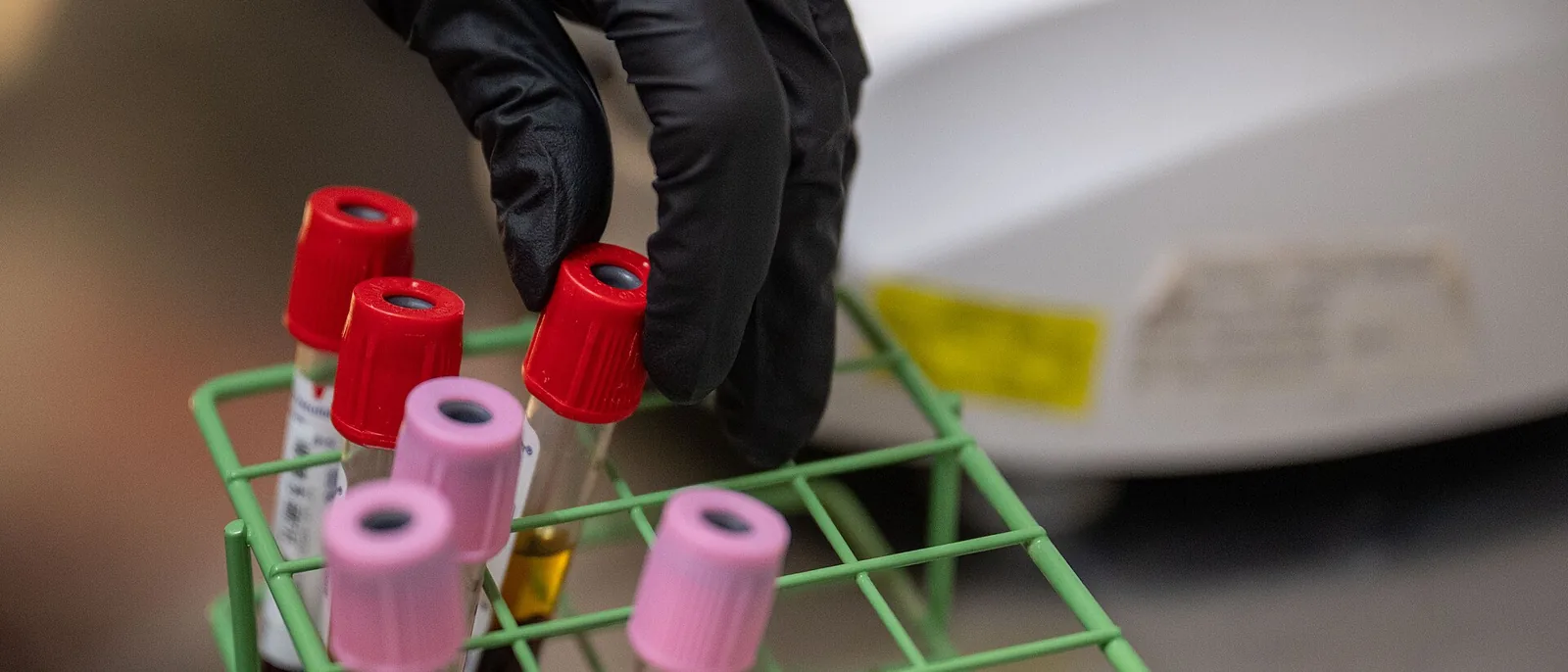
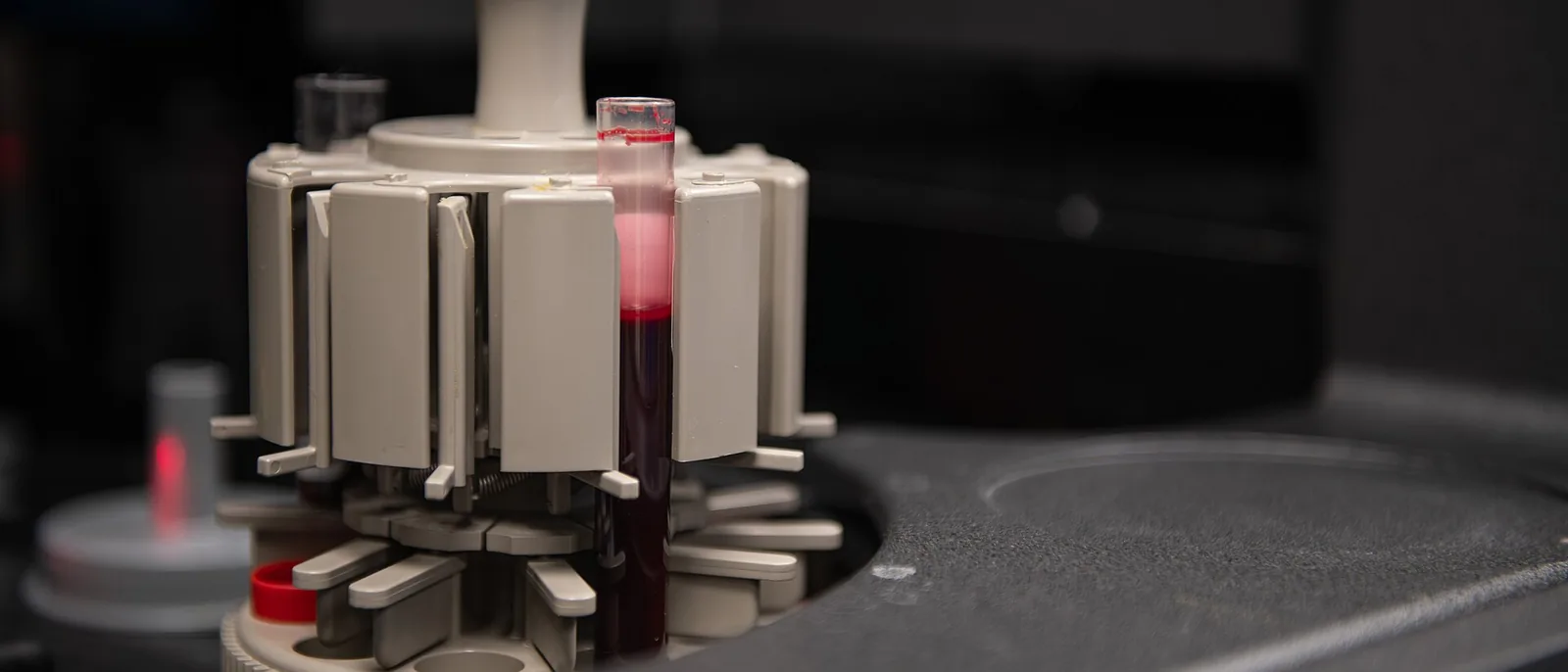
VEI Clinic provides general internal medicine care as well as IVs and testing. An internal medicine specialist treats acute illnesses such as colds, illnesses with body aches, gastroenteritis and gastritis, and chronic conditions such as high blood pressure, diabetes, high cholesterol and fatty liver. Blood tests and ultrasound are used to check your condition when needed. General medical visits and prescriptions are covered by National Health Insurance. If an IV is needed after the consultation, it is prescribed and given in a private IV room.

VEI Clinic, Gangnam — VEI Clinic · Internal Medicine

Conditions We Treat

  • Colds, sore throats, nasal colds, illnesses with body aches and bronchitis
  • Gastroenteritis, gastritis, indigestion, irritable bowel syndrome and constipation
  • High blood pressure, diabetes, high cholesterol (dyslipidemia) and fatty liver
  • Headaches, dizziness and fatigue
  • Allergic rhinitis and hives
  • Flu testing and treatment, and adult vaccinations

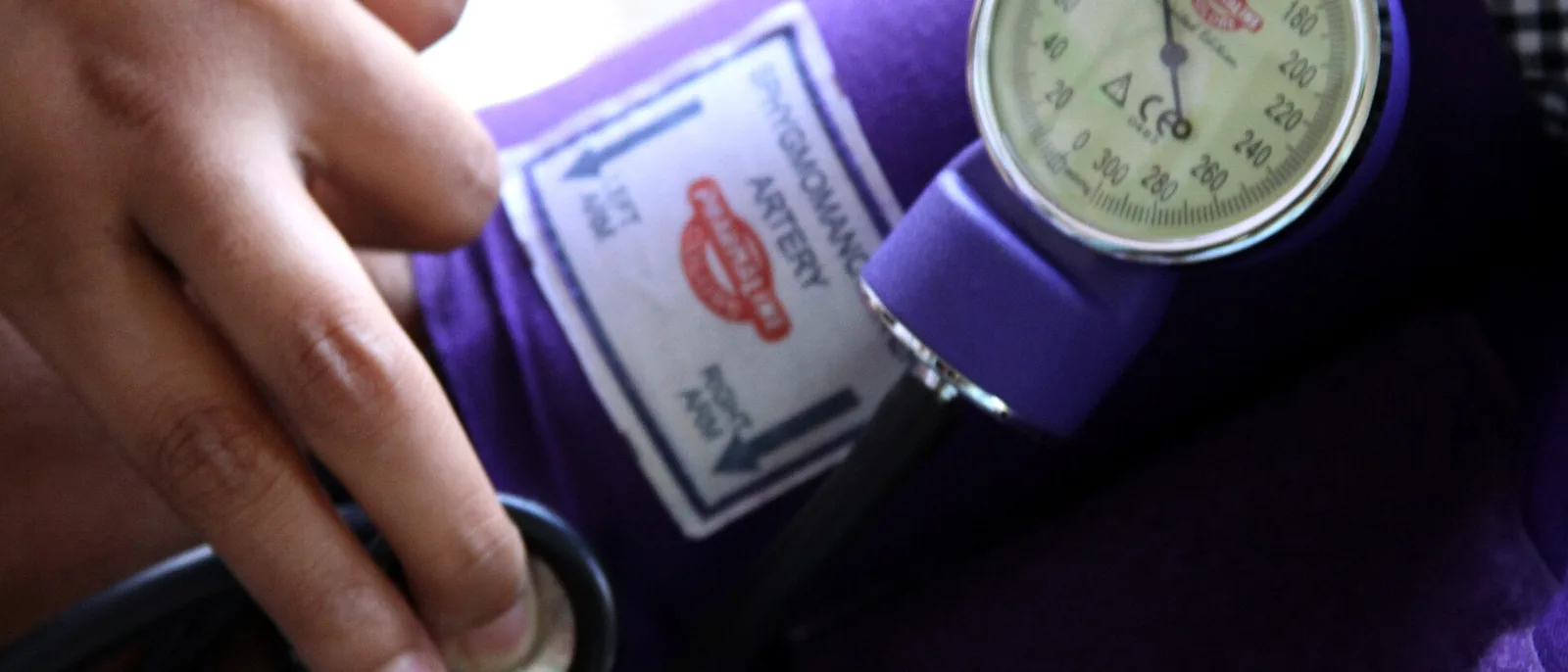
Blood pressure readings and hypertension care

High blood pressure is diagnosed when repeated office readings are 140/90 mmHg or higher. We also consider readings taken at home. At diagnosis, blood and urine tests check kidney function, cholesterol and blood glucose. Carotid or heart ultrasound may also be used if needed.

Lifestyle changes form the basis of care, with medication added when needed. While you are taking medication, we regularly check your blood pressure and side effects to adjust the dose.

By office readings, normal blood pressure is below 120 systolic and below 80 diastolic, elevated is 120 to 129 systolic with diastolic below 80, prehypertension is 130 to 139 systolic or 80 to 89 diastolic, and 140/90 or higher is hypertension. At home, 135/85 or higher counts as hypertension. Blood pressure medicines are chosen to suit your kidney function, diabetes status and age.

Hypertension, 140/90 mmHg or higher, is further divided into stage 1 (systolic 140 to 159 or diastolic 90 to 99 mmHg) and stage 2 (160/100 mmHg or higher). In stage 2, medication is often started right away alongside lifestyle changes. To know whether your reading is truly normal, measure after sitting quietly for about 5 minutes with your arm at heart level. At home, measure twice within an hour of waking (after using the bathroom and before medication and breakfast) and twice before bed, then average the readings. White coat hypertension, where readings are high only in the office, is usually managed first with lifestyle changes and regular monitoring rather than medication unless cardiovascular risk is high. Even with normal blood pressure, have it checked at least every 2 years.

The main classes of blood pressure medicine are ACE inhibitors, angiotensin receptor blockers, calcium channel blockers and diuretics, with beta blockers used in certain situations, and treatment sometimes starts with a single pill combining two classes. For most people with hypertension the target is below 140/90 mmHg, and it is set lower, below 130/80 mmHg, for those with cardiovascular disease or high risk. Blood pressure can rise again if you stop medication on your own once readings normalize, so any change in dose or stopping is decided after a visit.

Photo credits (cropped) Jesse K. Alwin, U.S. Marine Corps (Public domain) · Roy Zuo (CC BY-SA 4.0)

Symptoms and causes of high blood pressure

High blood pressure usually causes no symptoms, so it is often found by chance at a checkup or a visit for something else. People often link a stiff neck or headache to early high blood pressure, but these are frequently unrelated, so the diagnosis rests on readings rather than symptoms. However, if very high blood pressure comes with a sudden severe headache, chest pain, shortness of breath or blurred vision, you need emergency care.

More than 90% of high blood pressure is primary hypertension, with no single underlying disease, arising from a mix of age, inherited tendency, a salty diet, excess weight, alcohol and inactivity. If blood pressure is very high at a young age or stays high despite medication, we look for secondary causes such as kidney disease, hormonal disorders or sleep apnea. Blood pressure that stays high for years raises the risk of complications such as stroke, heart attack, heart failure, kidney disease and damage to the retina.

Symptoms when blood pressure is high, and what to do

If you check your blood pressure while you have a headache or a flushed face, it often reads high. In most cases the high pressure did not cause the symptom; pain, anxiety, poor sleep or heavy drinking pushed your blood pressure up for a while. If you feel dizzy after starting or increasing a blood pressure medicine, your pressure may have dropped too far, so write down a reading taken at that moment and tell us at your visit. Repeated episodes in which a headache, a pounding heart and cold sweats come on together with a sharp rise in blood pressure can, rarely, be caused by an adrenal hormone disorder and need testing.

If a home reading comes out high once, sit and rest, then measure again. If your systolic pressure is still 180 mmHg or higher, get seen without delay even if you feel fine. If it is lower than that, keep a record of your readings over a few days and bring it to your visit. If you already take blood pressure medicine, do not take extra doses because a reading is high; keep taking it as prescribed and we will adjust it at your visit.

Low blood pressure and orthostatic hypotension

Low blood pressure usually means a reading below 90/60 mmHg, and if your blood pressure is naturally low but you have no symptoms, no treatment is needed. Symptoms can include dizziness, vision going dark, fatigue and poor concentration, and in severe cases brief fainting. Causes vary, including dehydration, bleeding, anemia, medicines such as blood pressure pills or diuretics, heart disease and hormonal disorders, so we check with an examination and blood tests.

Orthostatic hypotension is a drop in systolic pressure of 20 mmHg or more, or in diastolic pressure of 10 mmHg or more, within 3 minutes of standing up, and lightheadedness on standing is the typical symptom. Treatment begins with adjusting any medicine that may be responsible, drinking enough fluids, getting up slowly in stages and, if needed, wearing compression stockings. Only when this is not enough does the doctor consider a medicine that raises blood pressure.

If you suddenly collapse or lose consciousness, have chest pain or shortness of breath, or notice black stools or vomit blood, the cause needs to be checked in an emergency room rather than at a clinic visit.

Diabetes testing and care

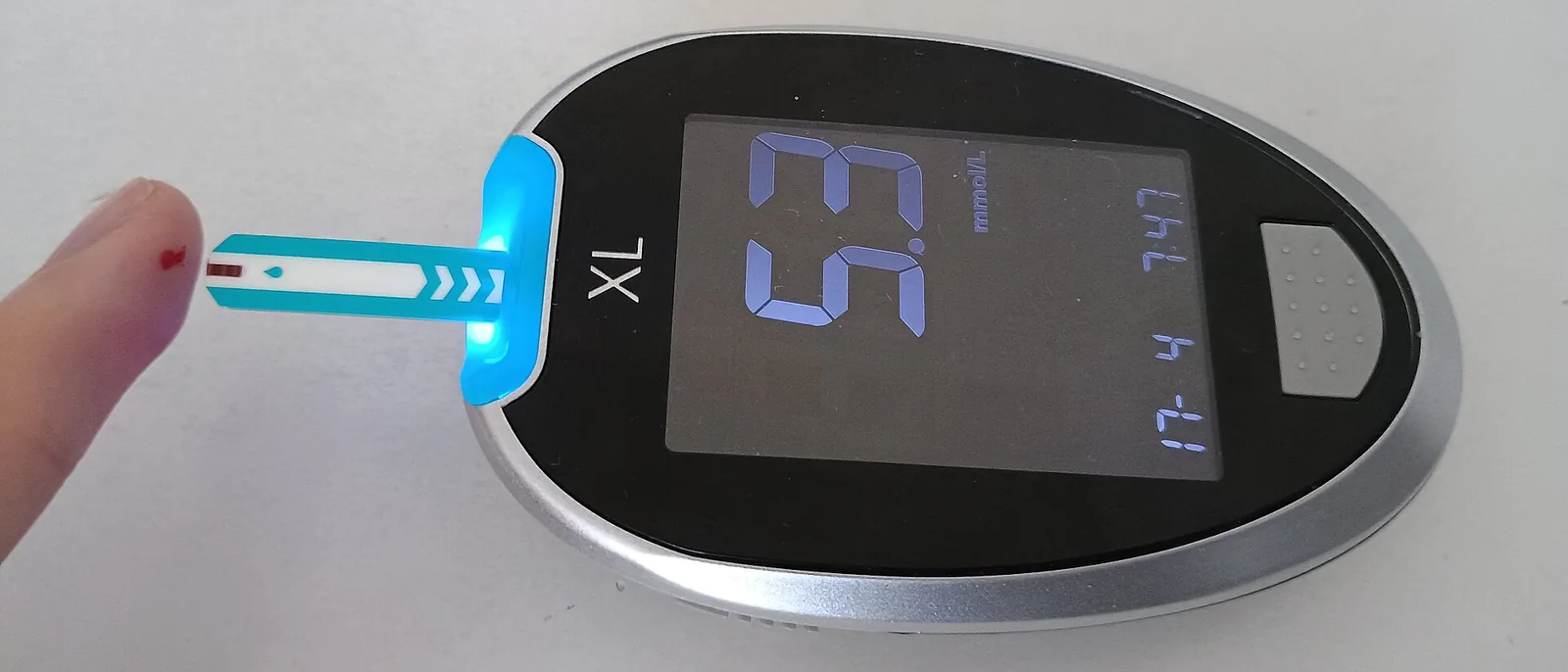
A fasting glucose of 126 mg/dL or higher or an HbA1c of 6.5% or higher meets the diagnostic criteria for diabetes. Without clear symptoms of high blood sugar, the diagnosis is confirmed by repeating the test on another day or by meeting two different criteria on the same day. A fasting glucose of 100 to 125 mg/dL or an HbA1c of 5.7% to 6.4% is considered prediabetes.

Diabetes care involves blood pressure, cholesterol, kidney health, eyes and feet as well as blood glucose. We usually check glycated hemoglobin every 3 months and adjust medication and lifestyle guidance. We recommend an eye examination when needed.

Diabetes is tested with fasting glucose, HbA1c and, if needed, a 75 g oral glucose tolerance test. Fasting glucose of 126 mg/dL or more, HbA1c of 6.5% or more, or a 2-hour glucose of 200 mg/dL or more meets the diagnostic threshold, and most adult diabetes is type 2. For prediabetes, the core is lifestyle change; if you are overweight or obese, the goal is to lose 5 to 7% of body weight and exercise at least 150 minutes a week.

Diabetes treatment builds on diet and exercise, and diabetes medicines come in several classes that work in different ways. Treatment usually starts with one oral medicine, other classes or injectables are added with heart disease, kidney disease and weight in mind, and insulin is used when blood sugar is very high.

Metformin is usually the first oral diabetes medicine, and DPP-4 inhibitors, SGLT2 inhibitors, sulfonylureas and thiazolidinediones are added as needed. Among diabetes medicines, the newer SGLT2 inhibitors and GLP-1 receptor agonist injections are considered first for people with heart or kidney disease. Because they often lead to some weight loss, people sometimes call them weight-loss diabetes medicines, but in diabetes care they are prescribed to control blood sugar, and obesity treatment uses medicines approved for that purpose.

Insulin injections are needed from the start in type 1 diabetes, and in type 2 they are started when other treatments such as oral medicines do not control blood sugar or when blood sugar is very high. Types of insulin are grouped by how long they act: rapid-acting and short-acting insulin taken with meals, intermediate-acting and long-acting insulin that covers baseline needs through the day, and premixed insulin that combines the two. When starting insulin, you also learn how to handle low blood sugar and how to rotate injection sites.

Diabetes symptoms and causes

Early diabetes usually has no clear symptoms and is often first found on a routine blood test. When blood sugar rises substantially, typical symptoms are frequent urination, constant thirst, weight loss despite eating well, and tiring easily. Blurred vision, wounds that heal slowly and repeated skin or urinary infections can also be signs of diabetes.

The cause depends on the type. Type 2, common in adults, develops when insulin does not work well and the pancreas gradually makes less of it, while type 1 develops when an autoimmune reaction destroys the cells that make insulin. Type 1 is more common at a young age but can begin in adulthood, and diabetes can also result from medicines such as steroids or from diseases of the pancreas.

Normal blood sugar levels and after-meal glucose

Normal blood sugar is a fasting glucose below 100 mg/dL after at least 8 hours without food and a 2-hour after-meal glucose below 140 mg/dL. An HbA1c below 5.7% is normal, and whether your numbers are in the normal range is judged from these three values together. Blood sugar rises and falls through the day with meals, exercise, stress, sleep and illness such as a cold, so a single reading is not enough to draw a conclusion.

After-meal glucose peaks 30 minutes to 1 hour after you start eating, and without diabetes it returns to the pre-meal level within 2 to 3 hours. That is why the normal after-meal level is judged at 2 hours; there are no set diagnostic cutoffs for 3-hour or 4-hour readings. In people with normal blood sugar, readings at that point are usually close to fasting levels.

For people with diabetes checking at home, the targets are 80 to 130 mg/dL before meals and below 180 mg/dL 2 hours after meals. For HbA1c, which reflects average blood sugar over the past 2 to 3 months, the Korean Diabetes Association recommends below 6.5% in type 2 diabetes, but targets are adjusted for age, risk of low blood sugar and other conditions.

A reading 3 hours after a meal that is slightly below your fasting level is a common variation if you have no symptoms. But if cold sweats, shakiness or intense hunger keep coming back within 4 hours of eating, and a glucose reading taken during symptoms is low and improves quickly with something sweet, we consider reactive hypoglycemia. It can occur after stomach surgery or in prediabetes, when the body releases more insulin than it needs after a meal, so we check blood glucose and HbA1c with a blood test. Management starts with not eating large amounts of sweets and refined carbohydrates at once, and spreading food into smaller meals that include protein and fiber.

Blood sugar spikes and managing after-meal glucose

A blood sugar spike is a popular term for after-meal glucose rising sharply and then dropping within a short time; it is not a formal diagnosis. Spikes tend to follow eating refined carbohydrates such as sweet drinks, white rice or bread quickly and in large amounts, and drowsiness after meals, fatigue and hunger returning soon after eating are often mentioned as symptoms. Many people worry that sleepiness after a meal means a spike, but after-meal drowsiness is common in people with normal blood sugar too, so symptoms alone cannot tell you; tests such as after-meal glucose and HbA1c can.

Managing after-meal glucose starts with eating vegetables and protein first and rice or noodles last, cutting back on sweet drinks and taking a light walk after meals. If blood sugar stays hard to control despite these habits, or fasting glucose or HbA1c falls in the prediabetes range or higher, we check further at a visit.

Diabetes complications and low blood sugar

Diabetes complications are divided into small blood vessel complications of the eyes (retinopathy), kidneys (nephropathy) and nerves (neuropathy), and large blood vessel complications such as heart attack and stroke. Yearly screening for complications covers a urine albumin test, kidney function blood tests, a foot sensation check and a retinal examination by an eye doctor, and carotid ultrasound is used to look at the blood vessels when needed. Managing blood sugar, blood pressure and cholesterol together from early on after diagnosis can delay these complications.

Numbness or tingling in the feet is a common sign of peripheral neuropathy, starting at the toes on both sides with burning or reduced feeling. Because early diabetic foot problems come with reduced sensation, small cuts and blisters are easy to miss, so check your feet every day and get seen promptly if a wound does not heal, becomes red and swollen, or changes color.

If you use insulin or a sulfonylurea, watch for low blood sugar, a level below 70 mg/dL. With cold sweats, shaky hands, a racing heart or intense hunger, take 15 to 20 g of sugar such as candy or juice and recheck after 15 minutes; if the person becomes confused or cannot eat on their own, call 119 right away.

Metabolic syndrome and insulin resistance

Metabolic syndrome means having three or more of the five findings below. Each may seem mild on its own, but together they raise the risk of diabetes and of heart and blood vessel disease. If you already take medicine for blood pressure, blood sugar or lipids, that item counts as met.

Insulin resistance is a state in which muscle, liver and fat tissue respond poorly to insulin, so more insulin is needed to keep blood sugar at the same level, and it underlies both metabolic syndrome and type 2 diabetes. Abdominal fat and inactivity are the biggest factors, so reducing your waist size and adding strength training to aerobic exercise improves insulin resistance and also helps prevent diabetes. At VEI Clinic we check blood pressure, waist size and blood tests to see whether you meet the criteria for metabolic syndrome, and an InBody body composition analysis can add a look at abdominal fat when needed.

  • Waist: 90 cm or more for men, 85 cm or more for women
  • Blood pressure: systolic 130 mmHg or higher, or diastolic 85 mmHg or higher
  • Fasting glucose: 100 mg/dL or higher
  • Triglycerides: 150 mg/dL or higher
  • HDL cholesterol: below 40 mg/dL for men, below 50 mg/dL for women

Gout symptoms and treatment

Gout is a form of arthritis in which uric acid builds up in the blood and forms crystals that settle in a joint and cause inflammation. The first attack usually strikes the joint at the base of the big toe overnight, which turns red and swollen and becomes so painful that even a light touch hurts; the top of the foot, the ankle and the knee can also be affected. An attack settles within 1 to 2 weeks even without treatment, but if uric acid stays high, attacks become more frequent and can spread to other joints.

Gout develops when the body makes too much uric acid or the kidneys do not clear it well. Alcohol (especially beer), purine-rich foods such as organ meats, drinks sweetened with fructose, excess weight and some diuretics raise uric acid. Testing starts with a blood test for uric acid and kidney function, but uric acid can read normal during an attack, so it is rechecked once the attack settles. If the diagnosis is uncertain, fluid from the joint needs to be examined for uric acid crystals, and we refer you to orthopedics or rheumatology.

Treatment has two stages. Acute attacks are calmed with anti-inflammatory pain relievers, colchicine or steroids, and if attacks are frequent or there are gout nodules (tophi) or kidney stones, a uric acid-lowering medicine such as allopurinol or febuxostat is used. The usual uric acid target is below 6 mg/dL, and taking the uric acid-lowering medicine consistently, even without symptoms, reduces repeat attacks. Day-to-day care rests on limiting alcohol, cutting back on sweet drinks, managing weight and drinking enough water.

Colds and Body Aches

Most colds are caused by viruses and do not need antibiotics. They improve with rest and medication to relieve symptoms. We use antibiotics only when a bacterial infection is suspected.

If a high fever and difficulty eating leave you weak, an IV can be added to your care. If a high fever and muscle aches begin suddenly during flu season, we test for flu.

A cold with a runny nose usually clears up within one to two weeks. If a runny or stuffy nose lasts more than 10 days, or a fever comes back after you start to improve along with pain around the cheeks or forehead, we check for sinusitis. Even while you are being treated for a cold, come back if you become short of breath or a fever lasts more than three days, so we can check for complications such as pneumonia.

Acid reflux (GERD): symptoms and treatment

Gastroesophageal reflux disease (GERD) happens when stomach acid and stomach contents flow back up into the esophagus and inflame its lining. The typical symptoms are a burning feeling in the middle of the chest (heartburn) and sour fluid rising into the throat, often with frequent sour burps. Symptoms tend to get worse after a large meal, when you lie down soon after eating, or when you bend over.

In most cases the cause is a loosening of the muscle that seals the esophagus off from the stomach (the lower esophageal sphincter), made worse by overeating, late-night eating, excess belly fat, alcohol, smoking and fatty foods. When acid irritates the throat and airways, a dry cough can linger for weeks without a cold, and a reflux cough is typically worse at night or after meals. The phlegm people notice with reflux is often less about actual mucus and more a feeling of something stuck in the throat that keeps you clearing it.

Treatment combines lifestyle changes with medication. The main medicines reduce stomach acid production, either proton pump inhibitors or potassium-competitive acid blockers, usually taken for 4 to 8 weeks and then reduced or switched to as-needed use depending on your symptoms. Reflux comes back easily after stopping medication, so finishing dinner at least 3 hours before bed and losing excess weight stay part of the plan. Difficulty swallowing or unexplained weight loss calls for an endoscopy to examine the esophagus.

Reflux laryngitis and throat symptoms

Reflux laryngitis occurs when stomach acid travels past the esophagus up to the voice box and causes inflammation, sometimes with throat symptoms but no heartburn. Symptoms include hoarseness, frequent throat clearing, a feeling of a lump in the throat and a sore throat that is worse in the morning. Because the throat around the voice box (the pharynx) is often irritated too, the condition is also called laryngopharyngeal reflux (LPR).

Reflux laryngitis is treated like GERD, with acid-lowering medication and lifestyle changes. Throat symptoms improve more slowly than heartburn, so medication is sometimes continued for two to three months. If hoarseness lasts more than a few weeks or you smoke, we also recommend seeing an ENT specialist who can examine the voice box directly.

Causes of heartburn and excess stomach acid

Heartburn is a burning pain in the upper middle abdomen or lower chest that occurs when acid rises into the esophagus or when the lining of the stomach or duodenum is damaged. Common causes include GERD, gastritis, and stomach or duodenal ulcers, and pain relievers such as NSAIDs and aspirin, alcohol, smoking and coffee on an empty stomach can all make it worse.

It is easy to assume heartburn means too much acid, but in most cases acid is rising into the esophagus or a weakened lining has become sensitive to normal acid. That is why the sour taste, empty-stomach burning and upper abdominal pain people describe as excess acid call for checking both the esophagus and the stomach lining. Antacids that neutralize acid give short-term relief, and if symptoms keep coming back, a medicine that reduces acid production is used for a set period. If heartburn lasts more than 2 weeks or you take pain relievers regularly, please have it checked.

Gastritis symptoms and types

Gastritis is inflammation of the stomach lining, and its common symptoms are burning and pain in the upper abdomen, bloating and nausea. Alcohol, NSAID pain relievers and Helicobacter pylori infection are the main causes, and many cases are found on a screening endoscopy without any symptoms. What people call gastritis with diarrhea is usually acute gastroenteritis affecting both the stomach and the intestines.

Gastritis is usually treated with medicines that reduce acid and protect the stomach lining, and a medicine that helps the stomach empty is added when bloating is severe. Treating chronic gastritis starts with reducing its causes: if H. pylori infection is confirmed, it is treated to eradicate the bacteria, and NSAIDs and alcohol are cut back. If symptoms last more than 2 weeks or keep coming back despite medication, you should have an endoscopy to examine the stomach lining.

Each type of gastritis named on an endoscopy report means something slightly different and is treated differently.

  • Chronic superficial gastritis: The most common finding on a screening endoscopy, meaning mild inflammation on the surface of the lining. It usually needs no treatment if you have no symptoms
  • Erosive gastritis: Shallow erosions in the lining, linked to alcohol, NSAIDs and H. pylori. It is treated with medication when it causes heartburn
  • Bile reflux gastritis: Gastritis caused by bile flowing backward from the duodenum into the stomach, more common after stomach surgery
  • Duodenitis: Inflammation of the lining of the duodenum, just below the stomach, with causes, symptoms and treatment similar to gastritis
  • Stress gastritis: Strictly, this means acute damage to the lining under severe physical stress such as major surgery or critical illness. When everyday stress brings on burning and bloating, functional dyspepsia, with no clear inflammation on endoscopy, is more common

Upper abdominal (epigastric) pain and stomach cramps

Epigastric pain is pain in the upper middle abdomen, just below where the ribs meet, and it is commonly caused by gastritis, stomach or duodenal ulcers, functional dyspepsia or GERD. Pain below the breastbone that spreads to the upper right abdomen and worsens after fatty meals suggests gallstones, which we check for with blood tests and abdominal ultrasound. Severe pain that radiates to the back can be a sign of pancreatitis.

"Stomach cramps" is not a formal diagnosis but a common way to describe sudden, squeezing pain in the upper abdomen. The pain often starts after overeating, heavy drinking, cold foods or stress and comes and goes over minutes to hours. It is often acute gastritis or functional dyspepsia, but gallstones or pancreatitis can be behind it.

If upper abdominal discomfort feels like indigestion but comes with chest tightness, a cold sweat or shortness of breath, it may be a heart attack, so call 119 right away. Take extra care if you have high blood pressure or diabetes or you smoke. If you vomit blood, pass black stools, have pain radiating to the back that does not ease, or the pain keeps getting worse and your abdomen becomes hard, go to an emergency room.

Indigestion and feeling overfull after eating

Indigestion (dyspepsia) means feeling full for a long time after meals, feeling full after only a little food, or burning and pain in the upper abdomen. When tests find no underlying disease but these symptoms continue for months, it is called functional dyspepsia, which is often what people mean by a nervous stomach. Frequent burping usually comes from swallowing air when you eat quickly or chew gum, or from carbonated drinks; if sour fluid comes up with it, we check for GERD.

When a meal sits badly, eating light, soft food such as rice porridge for a meal or two, sipping water and resting usually helps within a day or two. If you often feel bloated, start by cutting back on overeating, late dinners, fatty foods and carbonated drinks.

Treatment of chronic indigestion is matched to the type of symptoms. When upper abdominal pain and burning dominate, acid-lowering medicine is used, and when fullness after meals and gassy bloating dominate, a medicine that helps the stomach empty is used. Regular meals, sleep and stress management are part of care as well.

Nausea and retching

Nausea is the uneasy feeling that you might vomit, and retching is the actual reflex of trying to vomit. Nausea is common with indigestion, gastritis, gastroenteritis and after heavy drinking, and early pregnancy, a newly started medication, migraine and motion sickness can also cause it. If you cannot keep even water down, we use anti-nausea medication and replace fluids with an IV.

Dizziness with nausea is most often caused by a problem in the inner ear's balance system, and it can also occur with low blood sugar or dehydration. If you vomit with a sudden severe headache or have weakness in an arm or leg on one side, it may be a stroke or another brain blood vessel problem, so call 119 right away.

Lower abdominal pain by location

Pain in the lower right abdomen should first be checked for appendicitis. If pain that started around the upper abdomen or navel moves to the lower right over several hours and gets worse, hurts when you walk, or comes with fever and vomiting, go to an emergency room right away. Gastroenteritis, colonic diverticulitis, kidney stones and, in women, ovarian and fallopian tube conditions can also cause it.

Pain in the lower left abdomen is often related to bowel function, as with constipation or irritable bowel syndrome, and typically eases after a bowel movement. Fever with pain at one tender spot suggests diverticulitis, and severe pain spreading from the side down to the lower abdomen with blood in the urine suggests a kidney stone. Pain in the middle of the lower abdomen with frequent, stinging urination may be a bladder infection.

We examine where and how it hurts, narrow down the cause with blood tests, urine tests and abdominal ultrasound, and refer you to a hospital when a CT scan or a gynecology visit is needed. If you could be pregnant and have sudden, severe lower abdominal pain or feel faint, it may be an ectopic pregnancy and needs emergency care.

Mild right lower abdominal pain that keeps coming back

When the lower right abdomen hurts mildly on and off for days without fever or vomiting, constipation, irritable bowel syndrome and trapped gas are common causes. In women, ovulation pain is also common: a dull ache on one side of the lower abdomen in the middle of the menstrual cycle, lasting a few hours to a day or two. A bulge in the groin that appears when you stand or cough, with a pulling pain, suggests an inguinal hernia, which is more common in men. It helps to note whether the pain eases after a bowel movement, lines up with your menstrual cycle or gets worse in certain positions, and to tell us at your visit.

Irritable bowel syndrome: symptoms and treatment

Irritable bowel syndrome (IBS) is a condition in which abdominal pain comes with recurring diarrhea or constipation even though tests show no clear abnormality in the bowel. Typical symptoms are abdominal pain that eases after a bowel movement, changes in how often you go or in stool form, and a heavy, gassy feeling in the lower abdomen. It meets the diagnostic criteria when symptoms began more than 6 months ago and, over the past 3 months, abdominal pain has occurred at least one day a week along with at least two of these: a link to bowel movements, a change in how often you go, or a change in stool form.

IBS is classified by stool form as diarrhea-predominant, constipation-predominant or mixed. IBS with diarrhea often means urgently needing the bathroom in the morning or right after meals, and when gas and bloating stand out, people sometimes call it gas-type IBS.

Treatment starts with identifying and cutting back on foods that trigger symptoms, such as dairy, fatty foods, alcohol and certain carbohydrates that ferment easily in the gut. Depending on the type, medication may include antispasmodics, antidiarrheals, laxatives or medicine to ease gas and bloating. If symptoms first appeared after age 50, or you have bloody stools, weight loss, anemia or diarrhea that wakes you at night, a colonoscopy is needed first to rule out other conditions.

Causes of diarrhea and chronic diarrhea

Sudden watery diarrhea is mostly caused by viral or bacterial gastroenteritis or food poisoning and gets better within a few days. When diarrhea and abdominal pain come with blood in the stool or a high fever, we check for a bacterial infection, and lactose intolerance (diarrhea after drinking milk), medications such as antibiotics or magnesium products, and heavy drinking are also common causes.

Diarrhea that lasts more than 4 weeks is considered chronic, and we look for the cause. Irritable bowel syndrome is a common reason for frequent diarrhea, but conditions that should not be missed, such as an overactive thyroid, inflammatory bowel disease and colon tumors, are also possible, so we do blood and stool tests and refer you for a colonoscopy when needed. If frequent diarrhea leaves you weak, sip water and electrolyte drinks often, and do not put off a visit if diarrhea wakes you at night or you are losing weight.

Frequent diarrhea is also often explained by what you eat and drink every day. Caffeinated drinks such as coffee and spicy foods speed up the bowel, and sugar alcohols such as sorbitol, found in sugar-free gum and candy, draw water into the bowel and loosen stools. Cutting back on a suspected food for a while and watching whether your stools change can help pinpoint the cause.

Constipation: causes and treatment

Constipation means having fewer than three bowel movements a week, hard stools that take a lot of straining, or a feeling that you have not fully emptied. Its most noticeable sign is hard stool that comes out in small, separate pellets, often compared to rabbit droppings. Gas and a heavy, achy lower abdomen can come with it.

The most common causes are too little fiber and water, too little exercise and a habit of holding in the urge to go. Iron supplements, some pain relievers and blood pressure medicines, an underactive thyroid and pregnancy can also cause it, and long-standing diabetes can affect the nerves that move the bowel and lead to constipation. Testing starts with blood tests for thyroid function, blood sugar and calcium, and a colonoscopy is needed if your bowel habits change suddenly later in life or you see blood on your stool.

Treatment starts with enough fiber and water and a habit of using the bathroom at about the same time each day. For severe constipation that does not improve, osmotic laxatives that draw water into the bowel to soften stool are the mainstay, and stimulant laxatives are used briefly when needed. Treating chronic constipation means adjusting medication over weeks to months, so when constipation is bad it is better to have your medication adjusted at a visit than to keep increasing it on your own.

With severe constipation, hard stool can pack together in the rectum, just above the anus, and not come out even with straining. Stool stuck like this often does not move with oral laxatives alone, so it is first cleared with a suppository or an enema, and oral laxatives are then used to keep stool from hardening again.

Pharyngitis and tonsillitis

A sore throat most often comes from pharyngitis, inflammation of the pharynx at the back of the throat. Most pharyngitis is caused by cold viruses, so the throat feels raw and painful along with a runny nose and cough and usually improves in about a week. Chronic pharyngitis, a scratchy throat or a lump-in-the-throat feeling that lasts for weeks, is often caused by smoking, dry air, acid reflux or postnasal drip, which is mucus from the nose running down the back of the throat.

Tonsillitis is inflammation of the tonsils, which sit on either side of the back of the throat. Symptoms include a throat so sore that swallowing is hard, fever, red and swollen tonsils, and swollen, tender lymph nodes under the jaw. A fever of 38°C (100.4°F) or higher with white pus on the tonsils and no cough can point to a bacterial infection (group A strep), so antibiotics may be prescribed based on the exam, and they should be taken for the full prescribed course even after you feel better. When a virus is behind the swollen tonsils, pain and fever relievers, plenty of fluids and rest usually settle them within about a week.

Caring for swollen tonsils at home

When your tonsils are swollen, the first priority is to keep sipping water, even if swallowing hurts, so you do not get dehydrated. Soft foods served lukewarm or cool, such as rice porridge or steamed egg, are easier to swallow. Spicy, salty or hot foods, alcohol and smoking irritate swollen tonsils further. Taking antibiotics left over from a past prescription without being seen makes it harder to tell whether the infection is bacterial and can encourage antibiotic-resistant bacteria.

Laryngitis symptoms and treatment

Laryngitis is inflammation of the larynx, where the vocal cords sit. The most common symptoms are a hoarse voice, throat pain and a dry cough. Cold viruses are a common cause, so it often shows up as laryngopharyngitis, with the pharynx and larynx inflamed together, and it usually improves within one to two weeks.

Treating laryngitis starts with resting your voice. Even whispering strains the vocal cords, so talk as little as you can, drink water often, keep indoor air from getting too dry, and use medicine to ease pain and coughing. If hoarseness lasts more than two weeks, the vocal cords need to be examined directly, and we refer you to an ear, nose and throat specialist. If you hear a harsh, high-pitched sound when you breathe in, or your throat is so sore that you cannot swallow your saliva, your airway may be narrowing, so call 119 or go to an emergency room right away.

Bronchitis symptoms and treatment

Acute bronchitis is inflammation of the bronchial tubes that carry air into the lungs, and most cases are caused by viruses. Cough and phlegm are the main symptoms, and a low fever, chest tightness or wheezing may come with them. The cough often lingers for two to three weeks after the fever is gone, and the phlegm may start out clear and become thicker and stickier.

Most bronchitis is treated without antibiotics, using plenty of fluids, rest and medicine to ease symptoms. Bronchitis medicines include cough suppressants and expectorants that thin phlegm, chosen to match your symptoms, and a bronchodilator may be added if you are wheezing.

Chronic bronchitis means a cough with phlegm for at least three months a year, two years in a row, and smoking causes most cases. People who smoke often cough up phlegm from their airways after waking up, and this chronic phlegm tends to ease gradually after quitting. If you are also short of breath, a lung function test is needed to check whether the condition has progressed to chronic obstructive pulmonary disease.

Pneumonia symptoms and treatment

Pneumonia is an infection in which bacteria or viruses reach the air sacs deep in the lungs and cause inflammation, so fever and shortness of breath are often worse than with bronchitis, which stays in the airways. Common symptoms are a fever of 38°C (100.4°F) or higher with chills, a cough that brings up yellow or blood-streaked phlegm, and shortness of breath or chest pain when breathing. Early pneumonia can feel like a cold, so suspect it if a cold has not improved after a week or if the fever comes back and the cough gets worse after you start to recover. In older adults, pneumonia may first show up as weakness, loss of appetite or unusual confusion rather than fever.

Pneumonia is diagnosed by listening to the lungs and taking a chest X-ray, with blood tests to check inflammation levels. At VEI Clinic we examine you and run blood tests, and if pneumonia is suspected, we refer you to a nearby hospital that can take a chest X-ray or admit you for care. If you are very short of breath, your lips turn blue or you become confused, call 119 right away.

Bacterial pneumonia, the most common type, is treated mainly with antibiotics, and if your breathing is not badly affected and you can eat and drink, you can take oral medicine as an outpatient. Mycoplasma pneumonia is common in children, teenagers and young adults, and even when fever and a dry cough last for weeks, it is often mild enough that people keep up their daily routines. Because this organism has no cell wall, common penicillin-type antibiotics do not work against it, so a different class of antibiotic is used.

Dry cough and nagging cough: common causes

A dry cough brings up no phlegm, and the most common cause is airways that stay sensitive for a while after a cold. A cough set off by a tickle in the throat is common in this situation too; it gets worse when you breathe cold air, talk a lot or lie down, and it can last up to eight weeks.

When a nagging cough is not tied to a cold, common causes include postnasal drip, smoking and dry indoor air. Winter heating can dry out the airways and make a nagging cough more likely, so when the cough is bad, drinking water often and keeping indoor humidity at 40 to 60% can help. ACE inhibitors, one class of blood pressure medicine, can cause a dry cough, so if you started coughing often after beginning a new medicine, let us know at your visit.

Chronic cough: causes and treatment

A cough that lasts eight weeks or longer is called a chronic cough. In people who do not smoke and have a normal chest X-ray, the most common causes are postnasal drip, cough-variant asthma and gastroesophageal reflux, and two or more of these can overlap.

A cough from postnasal drip comes with a feeling of something running down the back of the throat and frequent throat clearing. A cough from sinusitis comes with thick yellow nasal discharge and a stuffy nose and is often worse when lying down. Medicine for a chronic cough depends on the cause: antihistamines or steroid nasal sprays for postnasal drip, inhaled steroids for cough-variant asthma, and acid-reducing medicine for reflux. How the cough responds to treatment helps narrow down the cause.

Why phlegm forms

Phlegm forms when the mucus that the lining of the airways and nose makes to trap dust and germs increases in response to irritants such as infection, allergies, smoking or air pollution. A wet cough is the body's way of clearing that mucus. Yellow or green phlegm gets its color from inflammatory cells and is common with viral infections too, so color alone does not mean you need antibiotics.

If you keep feeling phlegm stuck in your throat but little comes up when you try to clear it, it is often mucus draining from the nose rather than phlegm from your airways. With allergic rhinitis or sinusitis, this postnasal drip collects in the throat, so you may keep feeling phlegm there even with little cough.

See a doctor if your phlegm is streaked with blood. If you cough up a large amount of blood or are short of breath, go to an emergency room right away.

Asthma symptoms and treatment

Bronchial asthma is a condition in which long-term inflammation makes the airways oversensitive, so they narrow in response to even small triggers. Symptoms include wheezing when breathing out, shortness of breath, chest tightness and coughing, which flare up at night or early in the morning, after exercise, in cold air or after a cold and then settle again. Early asthma can be mild, such as a cough that lingers after a cold or wakes you at night, and the cough is often dry. Some people have cough-variant asthma, in which coughing is the only symptom and there is no wheezing.

Asthma is tested mainly with a lung function test, which checks whether the airways are narrowed and whether breathing improves after inhaling a bronchodilator, and a bronchial challenge test or allergy testing may be added when needed. The core of asthma treatment is an inhaled steroid that calms airway inflammation, and relying only on a bronchodilator when you feel short of breath is not recommended. Asthma inhalers fall into controllers, used steadily every day, and relievers, used when you are short of breath, and combination inhalers that hold an anti-inflammatory medicine and an airway-opening medicine in one device are widely used. Leukotriene modifiers are oral asthma medicines that are sometimes used along with inhalers.

Each inhaler device works a little differently, so check how to use it when it is first prescribed, and rinse your mouth after using an inhaled steroid to lower the chance of hoarseness or a yeast infection in the mouth. Stopping asthma medicine on your own because you feel better can let the inflammation flare up again. If your symptoms do not ease after using your inhaler, if you are too short of breath to finish a sentence, or if your lips turn blue, call 119 without delay.

Types of asthma inhalers and how to use them

Asthma inhalers come in two main types: metered-dose inhalers, which release the medicine as a fine spray, and dry powder inhalers, which deliver it as a powder you breathe in. With a metered-dose inhaler, breathe all the way out and then seal your lips around the mouthpiece. Start breathing in slowly and deeply, and press the canister at the same time to release a dose. If timing the press with your breath is hard, attaching a spacer helps more of the medicine reach your airways.

With a dry powder inhaler, turn your head away from the device to breathe out, so moisture from your breath does not clump the powder. Then seal your lips around the mouthpiece and breathe in quickly, forcefully and deeply. With either type, hold your breath for about 10 seconds after inhaling and then breathe out slowly, so the medicine has time to settle in your airways.

Endoscopy and the National Health Screening Program

VEI Clinic does not offer upper endoscopy, colonoscopy or the national health screening program. If your symptoms call for endoscopy, we direct you to a nearby screening center or hospital.

Cystitis symptoms and treatment

Cystitis is a urinary tract infection in which bacteria get into the bladder and cause inflammation. Symptoms include stinging or burning when you urinate, a frequent urge to go with a feeling of not emptying fully, and discomfort in the lower abdomen; urine may also look cloudy or bloody. Fever, pain in the side or back, or chills may mean the infection has spread to the kidneys (pyelonephritis), so get seen promptly.

Cystitis is usually caused by E. coli from the bowel traveling up the urethra into the bladder. It is far more common in women, because the urethra is short and close to the anus, and sexual activity, holding urine for long periods, not drinking enough fluids and hormonal changes after menopause add to the risk.

Antibiotics are the mainstay of treatment. At VEI Clinic we confirm inflammation and bacteria with a urine test before prescribing, and acute cystitis usually improves within a few days. Finish the full course of antibiotics even after you feel better to lower the risk of recurrence and resistance. Cystitis that comes back two or more times in 6 months or three or more times in a year is called recurrent cystitis, often referred to as chronic cystitis, and a urine culture is used to identify the bacteria and the right medicine. Care for recurrent cystitis starts with looking for habits and underlying conditions that bring it back.

Preventing recurrent cystitis in women

Cystitis in women often comes back after treatment, so we also go over everyday habits that lower the chance of it returning. The basics are drinking plenty of fluids, not holding urine for long, and urinating after sex. If infections often follow sex or keep recurring, the doctor may prescribe an antibiotic to prevent them.

After menopause, lower estrogen levels thin the lining of the urethra and vagina, which can make infections more frequent, so we recommend also seeing a gynecologist about whether a vaginal estrogen treatment would help. Antibiotic choices are different during pregnancy, so please tell us at your visit if you are or might be pregnant.

Protein in the urine, foamy urine and blood in the urine

Foamy urine is common when the stream is strong or the urine is concentrated, and it is usually normal if the bubbles clear quickly. If the foam lingers or appears every time, it may be a sign of protein in the urine, so we run a urine test. Protein can appear briefly after a fever or hard exercise, but if it persists it may signal kidney damage from diabetes or high blood pressure, or a kidney disease such as glomerulonephritis.

Treatment focuses on the underlying cause: keeping blood pressure and blood sugar within target, cutting back on salt and, in some cases, using a type of blood pressure medicine that protects the kidneys. If the amount of protein is large or kidney function is declining, we refer you to a nephrologist.

Red or cola-colored urine is the typical sign of blood in the urine, but in many cases the urine looks normal and red blood cells show up only on a urine test. Common causes include cystitis, kidney stones, kidney disease and strenuous exercise, and in women menstrual blood can mix in, so the test is repeated after the period ends. Evaluation starts with urine microscopy and kidney function blood tests. If visible blood appears without an infection, or microscopic blood persists in someone with risk factors such as being 40 or older or a smoker, the bladder and kidneys need a closer look, so we refer you to urology.

Causes of headaches and migraine

Most headaches are primary headaches with nothing wrong in the brain, and tension-type headache, migraine and cluster headache are the main kinds. Tension-type headache feels like a tight band squeezing both sides of the head and is linked to stress, lack of sleep and long periods of looking down, which is why people often call it a stress headache. Cervicogenic headache starts in the bones and muscles of the neck, with pain at the back of the neck spreading to the back of the head and worsening when you move your neck.

Migraine is a throbbing pain on one or both sides of the head that lasts 4 to 72 hours, often with nausea or sensitivity to light and sound, and it gets worse with activity. It is explained by oversensitive responses of the nerves and blood vessels of the brain, and attacks are triggered by changes in sleep, the menstrual cycle, skipped meals, alcohol and stress. Treatment is divided into acute medicines taken early in an attack, such as pain relievers or triptans, and preventive medicines used when attacks recur several times a month.

Cluster headache, chronic headache and warning signs

Cluster headache causes severe, stabbing pain around one eye with tearing and a runny nose on the same side, and attacks lasting 15 minutes to 3 hours come in clusters over weeks to months. If cluster headache is suspected, we refer you to a neurologist. Tension-type headache is treated with short-term pain relievers along with attention to posture, sleep and stress, but taking pain relievers on more than 10 to 15 days a month can itself make headaches more frequent (medication overuse headache). Chronic headache, on 15 or more days a month for more than 3 months, often involves this kind of overuse, so we start by reviewing your medication record together.

Most headaches can be assessed with a detailed history and a neurological examination, and if there are warning signs we refer you to a hospital that can perform CT or MRI. When a headache is severe, watch for warning signs: a sudden thunderclap headache, fever with a stiff neck, weakness on one side or slurred speech, reduced consciousness, or a headache after a head injury. If any of these are present, call 119 or go to the emergency room right away.

Causes and treatment of dizziness

The cause of dizziness depends on what it feels like: a spinning sensation, a floating or unsteady feeling, or your vision going dark. For spinning dizziness, the most common source is the inner ear, typically benign paroxysmal positional vertigo (BPPV), which causes brief spinning when you turn your head or lie down, and vestibular neuritis, which causes severe spinning for several days. Meniere's disease, an inner ear condition, brings repeated dizziness with ear fullness, ringing and hearing loss, and in that case we refer you to an ENT specialist for further testing.

Dizziness with vision going dark often comes from blood pressure, blood or heart problems such as orthostatic hypotension, anemia, low blood sugar, dehydration or an irregular heartbeat, so we check blood pressure lying down and standing as well as blood tests. When dizziness lasts more than 3 months, testing shows no clear abnormality, and it worsens with anxiety or stress, it may be psychogenic dizziness.

Treatment depends on the cause. BPPV is mainly treated with a repositioning maneuver that moves the head through a series of positions to return displaced crystals in the inner ear to where they belong, and medicines for dizziness are generally used only for the few days when nausea and dizziness are severe. If sudden dizziness comes with weakness on one side, slurred speech, double vision or such unsteadiness that you cannot walk, it may be a stroke: call 119 right away.

Causes and treatment of insomnia

Insomnia means repeated trouble falling asleep, waking often or waking too early, enough to affect your daytime life; when it happens at least three nights a week for more than 3 months, it is considered chronic insomnia. Common causes include stress, an irregular schedule, caffeine and alcohol, and depression or anxiety, and physical conditions such as an overactive thyroid, frequent urination at night, sleep apnea and chronic pain can also disrupt sleep.

The foundation of treatment is better sleep habits and cognitive behavioral therapy: getting up at the same time every day, leaving the bed when you cannot sleep and returning when drowsy, and cutting back on naps and late caffeine. Sleeping pills support this treatment but carry risks such as dependence and next-day drowsiness, so as a rule a doctor decides whether they are needed and uses them for a short time. At VEI Clinic we check for medical conditions that disturb sleep with an examination and blood tests, and if depression or anxiety is also present we refer you to psychiatry.

The VEI Clinic Approach

An internal medicine specialist sees you in person and recommends only the tests you need. We explain any services that are not covered by National Health Insurance, such as IVs or certain tests, before proceeding.

Chronic conditions need ongoing monitoring beyond a single visit. We let you know when to return and which measurements need checking.

FAQ

Frequently Asked Questions

Can I see you for a cold or a cough?

Yes. We provide general care for colds, illnesses with body aches and gastroenteritis. General medical visits and prescriptions are covered by National Health Insurance.

Can I get IV fluids if gastroenteritis is causing severe vomiting or diarrhea?

Yes. We assess how dehydrated you are, and if vomiting or frequent diarrhea makes it hard to replace fluids by mouth, we replace fluids and electrolytes with an IV. Every IV room is private.

See IV fluids for gastroenteritis →

Can you prescribe medication for high blood pressure or diabetes?

We prescribe medication after a consultation and tests. If you already take medication from another clinic or hospital, please bring the medication names or your prescription.

Do you perform upper endoscopy or colonoscopy?

No. If you need endoscopy, we direct you to a nearby screening center or hospital.

Can I have screening through the national health screening program?

We do not offer the national health screening program. You can have a personalized health checkup, blood tests and ultrasound here.

What is diabetes, and how is type 2 different?

Diabetes is a condition in which blood sugar stays high because insulin, which moves glucose into cells, is lacking or does not work well. In type 2 diabetes the main problem is that insulin does not work well; it accounts for most adult diabetes and is closely linked to weight, inactivity and family history. In type 1, the body makes almost no insulin, so insulin treatment is needed from the start.

What needs extra attention if I have both high blood pressure and diabetes?

Having both raises the risk of heart attack, stroke and kidney disease. The blood pressure target for people with diabetes depends on overall risk, and it is set lower, below 130/80 mmHg, when there is cardiovascular disease, organ damage such as protein in the urine or kidney disease, or other cardiovascular risk factors. If albumin shows up in the urine, a type of blood pressure medicine that protects the kidneys is considered first.

Should I get tested for diabetes even without symptoms?

Yes. Early diabetes rarely causes symptoms, so the Korean Diabetes Association recommends yearly testing from age 35, or from age 19 if you have a risk factor such as excess weight, a large waist, a family history or high blood pressure. Testing usually means a blood draw after fasting for at least 8 hours to check fasting glucose and HbA1c together. Finding prediabetes early lets lifestyle changes delay the progression to diabetes.

See blood tests →

Do I have to take diabetes medication?

With prediabetes, diet, exercise and weight control come first. Once diabetes is diagnosed, medication is usually started along with lifestyle changes, though if blood sugar is close to target, lifestyle changes may be tried first. After you start medication, the dose may be reduced or stopping may be considered if you lose weight and blood sugar stabilizes, but do not decide this on your own; it should be decided with your doctor while checking HbA1c. Stopping on your own can let blood sugar rise again and increase the risk of complications.

Is there a medicine for blood sugar spikes?

There is no medicine taken just to prevent blood sugar spikes. If you are diagnosed with diabetes, the doctor may prescribe glucose-lowering medicine, including types that mainly lower after-meal glucose, but before a diagnosis, lifestyle steps such as meal order, portion size and walking after meals come first.

What should I do when a migraine is severe?

Rest in a quiet, dark place, and take your prescribed acute medicine early, before the pain builds, when it works well. If your usual medicine stops working, the pattern of your headaches changes, or attacks come several times a month, see a doctor to discuss preventive treatment.

What could cause headache and dizziness together?

Common causes include dizziness linked to migraine, changes in blood pressure, anemia and lack of sleep. If headache and dizziness keep returning, we start by checking blood pressure and blood tests.

How is dizziness evaluated?

To find the cause, we first ask in detail what the dizziness feels like and when it started, then check blood pressure lying down and standing, eye movements and how you respond to changes in position. Blood tests look for anemia, blood sugar and electrolyte problems, and if we need to sort out whether the dizziness comes from the ear or the brain, we refer you to an ENT specialist or neurologist for further testing.

Are cystitis symptoms different in women and men?

The symptoms are similar, but cystitis is uncommon in men. Because the longer urethra protects against it, when a man has cystitis we also check for prostatitis or a problem in the urinary tract.

I can feel a lump in my neck. Is it swollen lymph nodes?

A tender lump at the side of the neck or under the jaw, especially with fever, is often a lymph node swollen by an infection such as a cold or tonsillitis. It usually shrinks within 2 to 4 weeks as the infection clears. If the lump is painless, hard and fixed in place, keeps growing, or comes with fever, night sweats or weight loss, further tests are needed, so please come in.

I get hives often. Can I be seen for this?

Yes. Hives are red, raised, itchy welts like mosquito bites that usually fade within hours and then appear somewhere else. Chronic hives, recurring for more than 6 weeks, often have no identifiable cause and are controlled with regular antihistamines. If hives or allergic itching come with swelling of the lips, tongue or throat, shortness of breath or dizziness, it may be anaphylaxis: call 119 right away.

My tonsils are swollen. Do I need to see a doctor right away?

If your throat is swollen and sore along with cold symptoms such as a runny nose and cough, it is often fine to rest and watch how it goes. See a doctor if you have a high fever with pus on your tonsils or if you are not better after three days. If one side swells badly so that you cannot open your mouth fully or your voice sounds muffled, you may have an abscess around the tonsil and should be seen right away by an ear, nose and throat specialist or at an emergency room. If you cannot swallow your saliva or have trouble breathing, call 119.

If my cough keeps going, should I be tested for tuberculosis?

We recommend a tuberculosis test if a cough lasts more than two weeks. Be sure to get checked if you also have a low-grade fever, night sweats or unexplained weight loss. Tuberculosis is checked with a chest X-ray and a sputum test, which you can have at a public health center or a hospital that offers chest X-rays.

My throat tickles and I keep coughing up phlegm. Is cough medicine enough?

Cough medicine eases symptoms but does not treat the cause. When there is a lot of phlegm, a medicine that thins it is often a better fit than one that suppresses the cough, and if the cough has not eased three weeks after a cold, see a doctor to look for causes such as postnasal drip, asthma or reflux rather than taking more medicine. Some cough suppressants can cause drowsiness or constipation, so tell us about any other medicines you take when we prescribe.

Should I keep using my asthma inhaler when I have no symptoms?

Yes, if it was prescribed as a controller. Controllers steadily calm airway inflammation to prevent attacks, so they are used as directed even when you feel fine. If you find yourself using your quick-relief inhaler more often, your asthma is not well controlled, so come in for a visit.

My throat keeps feeling scratchy and I keep clearing it, but it's not a cold. Could it be reflux?

It could be. Reflux that reaches the throat often causes throat symptoms without heartburn, so it is easy to confuse with a cough that lingers after a cold or with postnasal drip from rhinitis. After an exam to rule out these causes, we try acid-lowering medication for a period and see whether your throat symptoms ease.

My upper abdomen hurts. Do I need an endoscopy?

If upper abdominal pain or heartburn lasts more than a few weeks, an upper endoscopy is recommended. VEI Clinic does not perform endoscopy, so we will refer you to a nearby screening center or hospital. Stomach cancer is common in Korea, so adults 40 and older are advised to have an upper endoscopy every 2 years for screening, and trouble swallowing or weight loss calls for one without delay at any age. If your symptoms are recent and you have none of these signs, we can start with an exam, blood tests and, if needed, an abdominal ultrasound, and try medication first.

See ultrasound testing →

Do I need to keep taking IBS medication?

In most cases, medication matched to your type is used when symptoms flare and is then reduced or taken only as needed. IBS tends to come and go, so along with medication we work on diet, sleep and stress so that symptoms do not get in the way of daily life.

My constipation is bad. If I haven't gone in days, should I see a doctor?

If you haven't had a bowel movement in days and your belly is swelling, you are vomiting or you can't pass gas, your bowel may be blocked, so go to an emergency room right away. Otherwise, for long-standing severe constipation, we review your medications and bathroom habits, choose the type and dose of laxative, and adjust it every few weeks based on how it works.

Is overactive bladder different from a bladder infection?

Yes. Overactive bladder is not a bacterial infection but a condition in which the bladder becomes oversensitive. The main symptoms are a sudden urge that is hard to hold, frequent urination and waking at night to urinate, usually without pain on urination or fever. That is why treatment centers on bladder training and medication that calms the bladder rather than antibiotics. At VEI Clinic we first check for a bladder infection with a urine test, and we refer you to a urologist if medication or further testing is needed.

My fasting blood sugar came back high. Do I need to start medication right away?

We do not decide on medication from a single fasting glucose number. If it is 100 to 125 mg/dL, which is prediabetes, we usually start with eating less, exercising and losing weight rather than medication and retest a few months later, although medication may be added even at this stage if obesity is severe or glucose keeps rising. If 126 mg/dL or higher is confirmed on a repeat test, or HbA1c from the same blood sample is 6.5% or higher, so that diabetes is diagnosed, an oral medication that lowers fasting glucose is often started along with lifestyle changes, and the choice of drug depends on your weight, kidney function and other conditions. If you did not fast for 8 hours before the test or ate late the night before, the result can read high, so we measure again.

Is pre-meal blood sugar the same as fasting blood sugar?

A reading taken before breakfast after fasting overnight counts as fasting glucose, but not every pre-meal reading does. The 126 mg/dL cutoff used to diagnose diabetes applies to fasting glucose, measured after at least 8 hours with nothing but water. A reading taken just before lunch or dinner varies with how long it has been since the last meal, so that cutoff is not applied to it directly; it is mainly used by people with diabetes to check how well their blood sugar is controlled.

If high blood pressure runs in my family, when should I start checking my blood pressure?

If a parent or sibling has high blood pressure, you are more likely to develop it, so the Korean Society of Hypertension recommends checking your blood pressure every year from age 20. Even with a family history, eating less salt, managing your weight, exercising regularly and cutting back on alcohol can help delay the onset of high blood pressure.

When should I take my diabetes medication?

It depends on the medicine. Metformin is taken with or right after a meal to reduce stomach upset such as nausea or diarrhea, and sulfonylureas are usually taken just before or with breakfast. DPP-4 inhibitors and SGLT2 inhibitors taken once a day can generally be taken with or without food at about the same time each day. If you miss a dose, do not double the next one, and when the medicine is prescribed, ask what to do on days you skip a meal.
Plan your visit to VEITell us your health concern and preferred visit date. Our team will help you arrange a consultation for testing, IV therapy, weight management, body contouring or VEI CELL.
Details
Collected
Name, phone number, WhatsApp number, email, treatment of interest
Purpose
Contacting you about your consultation
Retention
One year from submission, then deleted
Notification
Your request is forwarded to our staff via KakaoTalk business messaging
If you share a health concern (health information consent)
Collected
Your health concern and preferred visit date
Purpose
Preparing your consultation and guiding your care
Retention
One year from submission, then deleted

Your health concern is not included in the KakaoTalk message to our staff. If you prefer not to consent, leave that field empty and you can still send your request.

If you prefer not to agree, you can still reach us by phone, WhatsApp or KakaoTalk.